
News
Russia Moves to Block WhatsApp as Kremlin Pushes State-Controlled Messaging


Russia has attempted to fully block access to WhatsApp, the Meta-owned messaging app, as the Kremlin seeks tighter control over its internet space. WhatsApp described the move as an effort to isolate over 100 million users from private and secure communication, calling it a “backwards step” that could reduce safety for people in Russia.
The push for greater control comes amid a broader crackdown on dissent during the ongoing war in Ukraine. Meta platforms, including Facebook and Instagram, have been officially banned in Russia, accessible only through virtual private networks (VPNs). Reports about the Kremlin targeting WhatsApp have circulated for years, with speculation dating back to the beginning of Russia’s full-scale invasion in February 2022.
The Russian government has also promoted its own messaging app, Max, which WhatsApp called “a state-owned surveillance app.” Moscow has mandated that Max be pre-installed on all new devices sold in the country since 2025, and public sector employees, teachers, and students are required to use the platform.
Kremlin spokesperson Dmitry Peskov told state-controlled media that Meta is being blamed for failing to comply with Russian regulations governing WhatsApp. He said the company could reach an agreement by negotiating with authorities, but added that if it refuses to comply, access to its services would remain blocked.
Earlier this week, Russia also began restricting Telegram, another popular messaging service. Pavel Durov, Telegram’s founder, said the restrictions are intended to push users toward a state-controlled platform designed for surveillance and political censorship. Durov compared Russia’s approach to Iran’s attempt eight years ago to ban Telegram, which ultimately failed.
Durov, who left Russia for Dubai in 2014 after refusing Kremlin demands to close opposition groups on his VK platform, has a complicated relationship with the Russian government. Investigations show he visited Russia more than 50 times between 2015 and 2021, and he was detained in France in August 2024 over a probe into criminal activity on Telegram, raising questions about his neutrality.
Moscow has cited foreign tech firms’ refusal to store Russian users’ data domestically as a key concern. The country’s Data Localisation Law, introduced in 2015, requires all personal data of Russian users to be stored on servers within Russia. Regulations tightened after the invasion of Ukraine, and from 1 January 2026, all internet services operating in Russia must store user messages—including audio, video, text, and metadata—for three years and provide them to security agencies upon request, even if users have deleted them.
Critics and rights groups argue that these measures are part of a broader effort to expand surveillance and control over internet use, suppress dissent, and monitor public communications. They warn that forcing millions of users onto state-controlled platforms will erode digital privacy and limit access to independent channels of information.
The attempt to block WhatsApp and restrict Telegram marks the latest step in Russia’s increasingly stringent regulation of online communications, raising concerns about the future of digital freedom in the country.
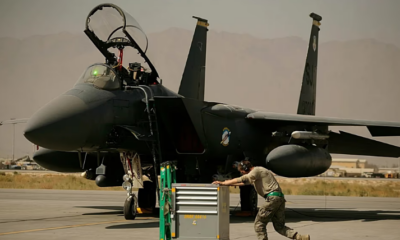





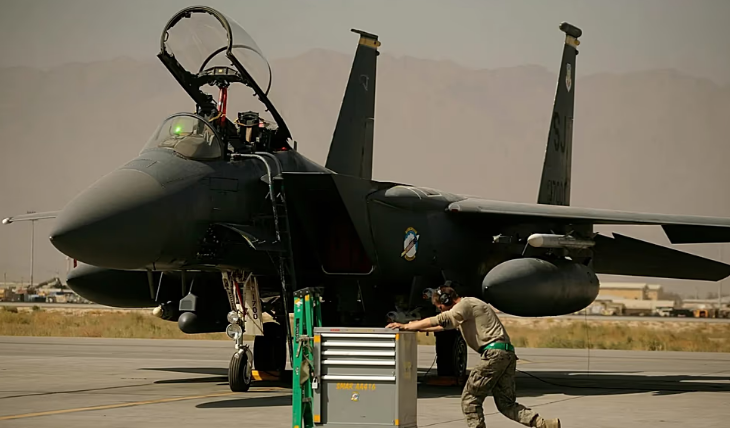
President Donald Trump announced on Sunday that a second US military pilot has been located in Iran following a high-risk search-and-rescue mission. The pilot had been missing after his F-15E Strike Eagle jet was shot down on Friday, the first US aircraft to crash in Iranian territory since the conflict began in late February.
Trump described the operation on social media, saying, “This brave Warrior was behind enemy lines in the treacherous mountains of Iran, being hunted down by our enemies, who were getting closer and closer by the hour.” He added that the aviator is injured but “will be just fine,” noting that the rescue involved dozens of aircraft and around-the-clock monitoring of the pilot’s location. A second crew member was rescued earlier.
The conflict, which began with joint US-Israel strikes on February 28, has killed thousands, disrupted global markets, cut key shipping routes, and pushed fuel prices higher. Trump warned last week that the United States had “decimated” Iran and intended to end the war quickly, while Iran has demonstrated the ability to strike back, shooting down multiple US aircraft, including an A-10 attack jet. The status of that crew remains unclear.
Drone attacks have also targeted Gulf energy infrastructure. In Kuwait, an Iranian drone damaged two power plants and a water desalination station, though no injuries were reported. In Bahrain, a fire broke out at a storage facility operated by the national oil company, which has since been extinguished. Authorities said the extent of damage is still being assessed.
Trump renewed threats for Iran to open the Strait of Hormuz by Monday, a critical route for global energy shipments, or face severe consequences. In response, Gen. Ali Abdollahi Aliabadi of Iran’s joint military command warned that “the doors of hell will be opened” against any US infrastructure in the region. Iran’s parliamentary speaker, Mohammad Bagher Qalibaf, later issued a veiled threat to disrupt traffic through the Bab el-Mandeb Strait, which links the Red Sea with the Gulf of Aden and the Indian Ocean and carries a significant portion of the world’s seaborne oil and container traffic.
Diplomatic efforts are ongoing. Pakistan, Turkey, and Egypt are mediating negotiations to bring the US and Iran to the table. Pakistani Foreign Ministry spokesperson Tahir Andrabi said efforts to broker a ceasefire are “right on track,” while Iran’s foreign minister, Abbas Araghchi, confirmed that Tehran has not refused to engage in talks. Officials indicate that a proposed compromise could include a cessation of hostilities to allow for diplomatic resolution.
The war has caused widespread casualties. In Iran alone, more than 1,900 people have died. In Gulf Arab states and the occupied West Bank, over two dozen people have been killed. Israel has reported 19 deaths, the US 13, and Lebanon has seen more than 1,400 fatalities and over one million displaced. Ten Israeli soldiers have also died in the conflict.
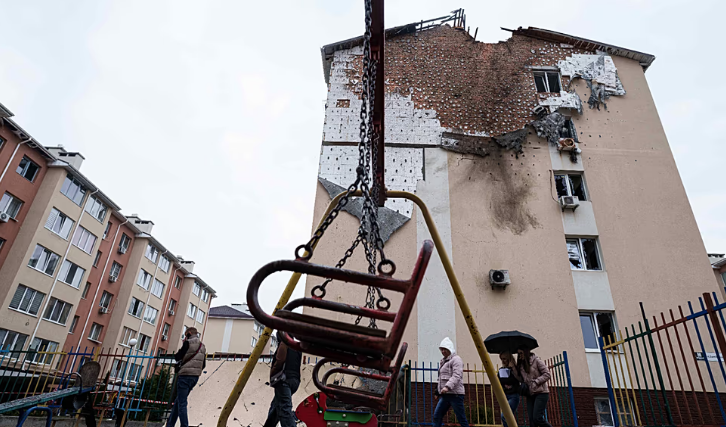
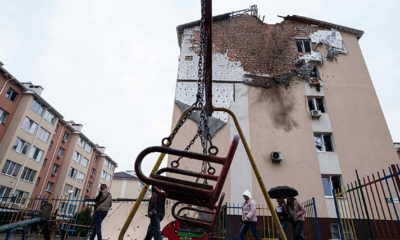
At least 15 people were killed in a wave of Russian strikes across Ukraine from Friday into Saturday, as Kyiv renewed calls for a temporary Easter ceasefire and launched retaliatory drone attacks deep into Russian territory.
Ukrainian officials described the assault as “massive,” involving a combination of missiles and drones targeting multiple regions, including areas near the capital. Authorities said the attacks reflect a shift in Russian tactics aimed at increasing pressure on civilians.
“The Kyiv region is once again under a massive Russian missile and drone attack,” said Mykola Kalashnyk, head of the regional military administration, in a statement. He reported that one person was killed and at least eight others were wounded in strikes on satellite towns around Kyiv, including Bucha, Fastiv and Obukhiv.
Elsewhere, a guided aerial bomb hit an apartment building in the northern Sumy region, killing one person, according to local officials. Casualties were also reported in Kherson, Zhytomyr, Kharkiv and Donetsk regions as attacks continued throughout the day. Overnight, five more people were killed in Nikopol, west of Zaporizhzhia, local authorities said.
Ukrainian officials warned that Russia may be intensifying daytime strikes after months of primarily night-time bombardments. They said such a shift could increase the risk to civilians, particularly in densely populated areas.
Foreign Minister Andrii Sybiha said nearly 500 drones and cruise missiles were launched during the latest wave of attacks. “This is how Moscow responds to Ukraine’s Easter ceasefire proposals — with brutal attacks,” he wrote on social media.
President Volodymyr Zelenskyy has indicated that Ukraine remains open to a truce during the Easter period, which will be observed next week by Orthodox Christians in both countries. He said the proposal had been communicated to Moscow through US channels, though no clear response has been received.
The Kremlin has previously expressed scepticism about temporary pauses in fighting. Earlier this week, spokesman Dmitry Peskov said Russia was seeking a lasting settlement rather than a short-term ceasefire. Last year, a brief unilateral truce declared by Moscow during Easter was marred by mutual accusations of violations.
Meanwhile, Ukraine continued its counterattacks with drones targeting sites inside Russia. The Russian Defence Ministry said it shot down 192 Ukrainian drones overnight across the country and in occupied Crimea.
Regional officials in Russia reported damage and injuries. Two people were hospitalised after a drone strike in the Leningrad region, more than 1,000 kilometres from the Ukrainian border, while another attack in Belgorod left 12 people injured, including several soldiers. Authorities also reported intercepting drones near Moscow, with no casualties recorded.
The escalation on both sides comes as the conflict shows no signs of easing, with continued attacks raising concerns about civilian safety and the prospects for any near-term ceasefire.
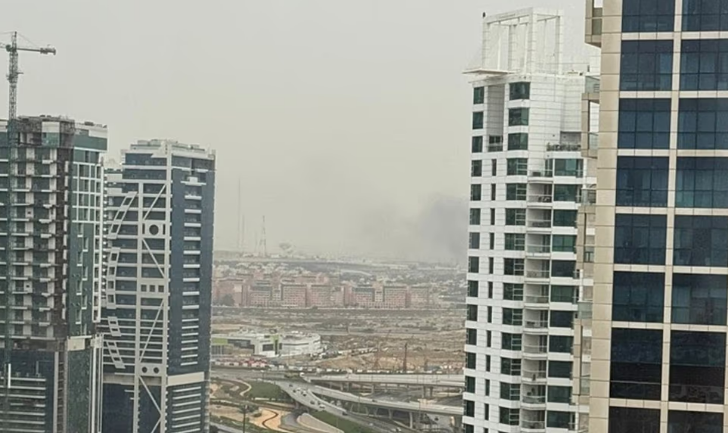
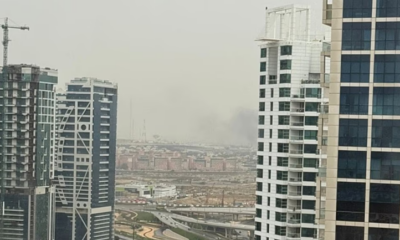
Dubai was shaken by at least five explosions on Tuesday morning as residents rushed to underground shelters, Euronews journalists reported. The attacks, carried out using missiles and drones, were confirmed by Iran’s IRGC-affiliated Tasnim news agency.
The UAE’s Defence Ministry said in a statement on X that the country’s air defences were “actively engaging with missiles and UAV threats.” Four people were injured by debris from an interception that fell on residential areas in southern Dubai, authorities said.
The Dubai Media Office added that the incidents caused property damage and minor injuries to four Asian nationals. Authorities confirmed that firefighters had extinguished a blaze on a Kuwaiti oil tanker at Dubai Port, which was also targeted in the strike. No oil spill was reported, and all 24 crew members on board were reported safe.
Reports first emerged of residents rushing to shelters as the blasts were distinct from previous air defence intercepts, sonic booms, or prior Iranian strikes on the city. The scale and intensity of the explosions prompted emergency services to respond quickly to secure affected areas.
The attack comes amid escalating tensions between Iran and the UAE. On Monday, Iran’s judiciary announced the revocation of residency permits for 1,200 Emirati nationals living in Iran, citing a “hostile action” by the UAE and giving those affected one week to leave the country.
Tehran’s Tasnim news agency confirmed the missile and drone strikes, signaling a direct escalation in the ongoing dispute. The UAE authorities emphasized their readiness to respond to the threat and continue assessing the situation.
Security experts say the incident highlights the growing risk of regional spillover from the Iran conflict. Dubai, a key financial and commercial hub, has previously avoided direct military attacks, but this strike marks a significant escalation. The UAE government and emergency services have been coordinating to contain any additional risks and ensure civilian safety.
The blasts disrupted morning routines across southern Dubai, with residents seeking immediate shelter and local authorities deploying emergency personnel to manage the aftermath. Initial reports indicate the damage was limited to residential buildings and the targeted tanker, with no large-scale casualties reported.
Analysts note that the UAE’s air defence systems successfully intercepted most of the incoming missiles and drones, but falling debris remains a hazard in densely populated areas. The government has urged residents to stay vigilant and follow instructions from emergency services as investigations into the attacks continue.
The strike underscores heightened tensions in the Gulf region and raises concerns about the security of critical infrastructure in major urban centers like Dubai.

European Cocoa and Chocolate Prices Surge Ahead of Easter

Portugal Ranks Fourth in EU for Long Working Hours, Study Finds

US Pilot Found in Iran After Daring Rescue Operation

Uzbekistan to Produce Humanoid Robots in Partnership with South Korea

Uzbekistan to Launch Nationwide State Medical Insurance System in 2026

Egg Prices Surge Across Europe as “Eggflation” Outpaces Inflation Ahead of Easter

Europe Maintains Global Lead in Chocolate Production Despite Rising Costs

Russian Strikes Kill 15 in Ukraine as Kyiv Proposes Easter Truce

Europe’s Public Holidays Come with a Price Tag as Denmark Cuts One for Defence Spending

First Western European Ship Crosses Strait of Hormuz Since Iran War Began

Meta Acquires Tilda Swinton VR Doc ‘Impulse: Playing With Reality’

Saudi Arabia’s Model for Sustainable Aviation Practices

Recent Developments in Small Business Taxes

Effective Drain Cleaning: A Key to a Healthy Plumbing System

Who was Ebrahim Raisi and his status in Iranian Politics?

Carrectly: Revolutionizing Car Care in Chicago

Keely Hodgkinson Wins Britain’s First Athletics Gold at Paris Olympics in 800m

Saudi Arabia: Foreign Direct Investment Rises by 5.6% in Q1

Chinese Hackers Infiltrate Major U.S. Telecom Firms in Possible National Security Breach

Nobel Laureate Muhammad Yunus Proposed as Head of Bangladesh’s Interim Government Following Hasina’s Resignation

Sony WF-10XM4: Headphones Are Our Absolute Favorite

10 Places You Can’t Miss If It’s Your First Time in European

New Census Data Will Shake Up Alabama Politics

16 Top of Our Favorite Outdoor Clothing Brands

Fashionable Summer Accessories to Dress Up Your Travel Look

How Sleeping Less than 7 Hours a Night Can Lead to Weight Gain
-
 Entertainment2 years ago
Meta Acquires Tilda Swinton VR Doc ‘Impulse: Playing With Reality’
-
 Business2 years ago
Saudi Arabia’s Model for Sustainable Aviation Practices
-
 Business2 years ago
Recent Developments in Small Business Taxes
-
 Home Improvement1 year ago
Effective Drain Cleaning: A Key to a Healthy Plumbing System
-
 Politics2 years ago
Who was Ebrahim Raisi and his status in Iranian Politics?
-
 Business2 years ago
Carrectly: Revolutionizing Car Care in Chicago
-
 Sports2 years ago
Keely Hodgkinson Wins Britain’s First Athletics Gold at Paris Olympics in 800m
-
 Business2 years ago
Saudi Arabia: Foreign Direct Investment Rises by 5.6% in Q1