
Health
Young Woman’s Euthanasia Case Rekindles Debate in Spain


The death of Noelia Castillo has reignited debate over euthanasia laws in Spain, following a prolonged legal battle between the 25-year-old and her family.
Castillo died in Barcelona on Thursday after undergoing euthanasia, a procedure she had fought to access through the courts. Her case had drawn national attention since 2024, when a medical and legal committee in Catalonia approved her request on the basis that she was suffering from a serious, incurable condition that caused ongoing and intense suffering.
Her father challenged the decision, arguing that his daughter’s mental health issues affected her ability to make a fully informed choice. The case moved through multiple legal stages, with courts consistently ruling in Castillo’s favour. Earlier this month, the European Court of Human Rights declined to intervene, clearing the way for the procedure to go ahead after Spain’s Supreme Court dismissed a final appeal.
In a television interview broadcast shortly before her death, Castillo spoke about her decision, saying she was seeking peace after years of suffering. She described feeling misunderstood and said she could no longer continue living under her condition.
Her family was represented by the conservative Catholic group Christian Lawyers, whose president Polonia Castellanos criticised the outcome, calling it a failure of the state to protect vulnerable individuals. She argued that euthanasia should not be considered, particularly in the case of a young person.
Spain legalised euthanasia and medically assisted suicide in 2021, allowing individuals with terminal illnesses or severe, incurable conditions to request assistance in ending their lives. The law requires multiple medical assessments and includes safeguards intended to ensure that decisions are voluntary and informed. Official figures show that more than 1,100 people have exercised this right since the legislation came into effect.
Castillo defended her choice publicly, stating that her decision should not be overshadowed by the wishes of others, including her family. Her case has prompted renewed discussion across Spain, bringing attention to questions surrounding personal autonomy, mental health, and the role of legal safeguards in end-of-life decisions.
The case has also highlighted the emotional and ethical tensions that can arise between individuals seeking euthanasia and their relatives. As Spain continues to implement its relatively new legal framework, Castillo’s story is likely to remain a reference point in ongoing debates about the limits and responsibilities of assisted dying laws.



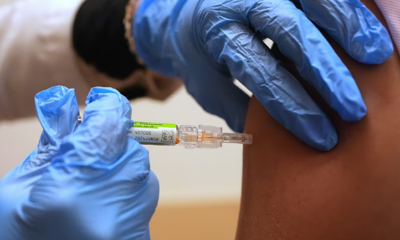









Tuberculosis remains a public health issue in Europe as the region falls behind elimination targets, according to a new report by the World Health Organization (WHO) and the European Centre for Disease Prevention and Control (ECDC). The report warns that one in five cases goes undiagnosed, while drug resistance continues to exceed global averages.
Although the overall number of TB cases has declined, progress toward elimination remains insufficient. Tuberculosis, an infectious disease spread when an individual with pulmonary TB expels bacteria through coughing, is the leading cause of death from a single infectious agent worldwide. Common symptoms include a persistent cough lasting more than two weeks, fever, night sweats, and weight loss.
Across the WHO European Region, which covers 53 countries in Europe and Central Asia, TB incidence has fallen by 39 percent since 2015, and deaths have dropped by 49 percent. These figures fall short of the WHO’s End TB Strategy 2025 milestones of 50 percent reduction in cases and 75 percent reduction in deaths.
Within the European Union, cases have decreased by 33 percent and deaths by 17 percent, insufficient to meet the 2030 targets. Health authorities note this gap has led to thousands of preventable infections and fatalities. In 2024, more than 160,000 newly diagnosed TB cases were reported, while the estimated actual number of cases was 204,000, meaning only 79 percent were officially notified.
Hans Kluge, WHO Regional Director for Europe, said undiagnosed cases represent missed opportunities to treat patients earlier and curb transmission. “By investing in rapid diagnosis, shorter all-oral treatment regimens and stronger follow-up, countries can reach more people earlier, improve outcomes and put us back on track toward our targets,” he said. Delayed diagnosis increases treatment difficulty and heightens the risk of spreading the disease.
Drug-resistant tuberculosis remains a major challenge. Multi-drug resistant TB among new and previously treated cases stands at 23 percent and 51 percent, respectively, far above the global averages of 3.2 percent and 16 percent. Standard treatment for non-resistant TB typically lasts six months with success rates above 85 percent, but resistant variants require longer, more complex regimens with lower success rates.
Most European countries now report low TB incidence, with notification rates below 10 per 100,000. The disease mainly affects vulnerable populations, including migrants, prison inmates, and people with HIV co-infections. Ralf Otto-Knapp of the German Central Committee against Tuberculosis warned that lower overall case numbers in Western Europe have led to decreased attention, making it harder to combat multidrug-resistant TB. “We must strengthen treatment and prevention services, ensure easy access to new medicines and foster cross-border cooperation,” he said.
The report underscores that without urgent action on diagnosis, treatment, and drug resistance, Europe risks falling further behind its TB elimination goals, putting vulnerable communities at heightened risk.
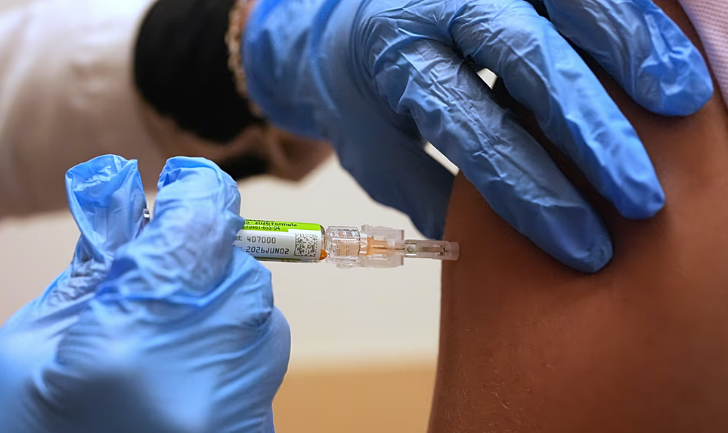
The number of confirmed cases in the Kent meningitis B outbreak has fallen to 29 following laboratory reclassification, according to United Kingdom health authorities. This marks a decrease from the 34 cases reported on Saturday, according to the latest update from the UK Health Security Agency (UKHSA).
The number of confirmed deaths remains at two. One victim was a 21-year-old student at the University of Kent, and the other a sixth-form pupil from nearby Faversham.
“Some cases initially classified as confirmed have been reclassified following further laboratory results and clinical investigation,” the agency said on Sunday. The UKHSA expects additional probable cases may also be downgraded in the coming days as further laboratory assessments are completed.
Sherine Thomas, infectious diseases consultant at UKHSA, said authorities are maintaining close monitoring and working with NHS England and local authorities to respond rapidly to any new cases. “We continue to remain vigilant for new cases and work closely with NHS England and local authorities across the country, to ensure that any new cases identified are responded to as quickly as possible,” Thomas said.
The outbreak has raised concerns in Kent, particularly among families and educational institutions. Health authorities have reiterated that children born before May 1, 2015, are not eligible for the MenB vaccine unless they fall into a clinical risk group. Parents and guardians have been urged to seek medical advice if they notice symptoms such as fever, headache, nausea, or neck stiffness.
The European Centre for Disease Prevention and Control (ECDC) has assessed the risk to the general population in the European Union and European Economic Area (EU/EEA) as very low, citing the small probability of exposure and infection. Public health officials in the UK continue to emphasize that while the outbreak remains serious locally, the threat to the broader population is minimal.
Local authorities in Kent have also increased awareness campaigns and targeted vaccination programs in affected areas, focusing on schools and universities. Healthcare providers have been advised to be vigilant for early symptoms and to provide timely treatment to prevent severe outcomes.
The UKHSA stressed that maintaining close monitoring, rapid laboratory testing, and vaccination of at-risk groups remain central to controlling the outbreak. Families in the region have expressed relief at the reduction in confirmed cases but remain cautious as investigations continue.
The agency continues to advise the public that early detection and medical attention are crucial in managing meningitis B, which can progress rapidly and lead to serious complications if untreated.

Study Finds Chatbots May Encourage Harmful Behaviour by Excessively Agreeing with Users

Europe’s Renewable Energy Wasted Amid High Oil Prices and Outdated Grid Infrastructure

Young Woman’s Euthanasia Case Rekindles Debate in Spain

Oil Surges and European Stocks Dip Amid Iran War Uncertainty

EU Launches Investigation into Snapchat Over Minors’ Safety

Germany Rules Out Military Involvement in Iran War, Eyes Strait of Hormuz Security Post-Conflict

Why Businesses Are Turning to Asset Tracking Systems for Better Control

Vivid Dreams May Make Sleep Feel Deeper, Study Suggests

SpaceX Prepares for Potential Record-Breaking IPO as Filing Looms

Europe Weighs Energy Risks as Nuclear Power Plays Key but Declining Role

Meta Acquires Tilda Swinton VR Doc ‘Impulse: Playing With Reality’

Saudi Arabia’s Model for Sustainable Aviation Practices

Recent Developments in Small Business Taxes

Effective Drain Cleaning: A Key to a Healthy Plumbing System

Who was Ebrahim Raisi and his status in Iranian Politics?

Carrectly: Revolutionizing Car Care in Chicago

Keely Hodgkinson Wins Britain’s First Athletics Gold at Paris Olympics in 800m

Saudi Arabia: Foreign Direct Investment Rises by 5.6% in Q1

Chinese Hackers Infiltrate Major U.S. Telecom Firms in Possible National Security Breach

Nobel Laureate Muhammad Yunus Proposed as Head of Bangladesh’s Interim Government Following Hasina’s Resignation

Sony WF-10XM4: Headphones Are Our Absolute Favorite

10 Places You Can’t Miss If It’s Your First Time in European

New Census Data Will Shake Up Alabama Politics

16 Top of Our Favorite Outdoor Clothing Brands

Fashionable Summer Accessories to Dress Up Your Travel Look

How Sleeping Less than 7 Hours a Night Can Lead to Weight Gain
-
 Entertainment2 years ago
Meta Acquires Tilda Swinton VR Doc ‘Impulse: Playing With Reality’
-
 Business2 years ago
Saudi Arabia’s Model for Sustainable Aviation Practices
-
 Business2 years ago
Recent Developments in Small Business Taxes
-
 Home Improvement1 year ago
Effective Drain Cleaning: A Key to a Healthy Plumbing System
-
 Politics2 years ago
Who was Ebrahim Raisi and his status in Iranian Politics?
-
 Business2 years ago
Carrectly: Revolutionizing Car Care in Chicago
-
 Sports2 years ago
Keely Hodgkinson Wins Britain’s First Athletics Gold at Paris Olympics in 800m
-
 Business2 years ago
Saudi Arabia: Foreign Direct Investment Rises by 5.6% in Q1
You must be logged in to post a comment Login