
Business
Timur Turlov: Architect of a New Financial Ecosystem

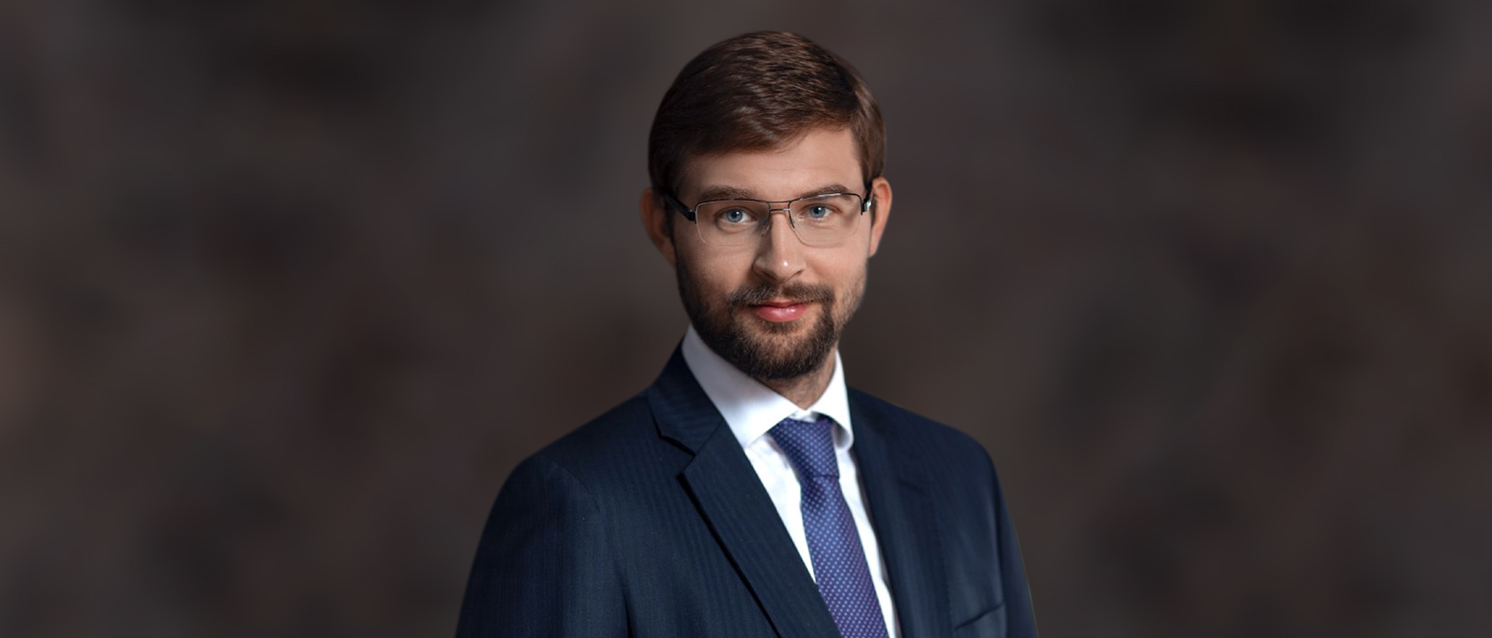
Early Ambitions and Foundations in Finance
Timur Turlov, born in 1987, entered the financial world at an unusually young age, starting as a trader with World Capital Investments (WCI) at just 16. His next career move to Uniastrum Bank saw him contribute to building systems that provided the bank’s subsidiary access to U.S. stock exchanges. These early roles set the stage for his entrepreneurial journey and ambition to transform financial services in emerging markets.
Establishing Freedom Finance and Expanding to Kazakhstan
In 2008, Turlov launched Freedom Finance, a brokerage firm focused on opening U.S. stock markets to a broader audience. By 2012, he expanded operations into Kazakhstan, a move that allowed Freedom Finance to grow into a leading brokerage. The company quickly scaled, establishing a bank, online brokerage services, and international reach.
In 2019, Turlov consolidated his companies into Freedom Holding Corp., becoming the first CIS-based financial company to list on Nasdaq under the ticker FRHC. Initially priced under $15, Freedom’s shares exceeded $80 by 2024, marking a significant milestone. This rapid growth elevated Turlov’s net worth to $3.3 billion by May 2024, securing his place on the global Forbes list.
Building a Diversified Financial Ecosystem
Freedom Holding Corp. has evolved into a comprehensive financial ecosystem, headquartered in Kazakhstan with a footprint across 22 countries. Key services include Freedom Bank, which offers digital mortgage solutions; Tradernet, a multilingual platform that integrates AI-powered trading tools; Freedom Pay, a cross-border payment service; Freedom Life and Freedom Insurance for accessible online insurance; and Freedom Telecom, delivering high-speed internet and expanding 5G coverage. Serving around 5 million clients, the ecosystem combines finance, insurance, and telecommunications to meet modern consumer needs.

Expansion in the U.S. and European Markets
In 2020, Freedom Holding entered the U.S. market by acquiring Prime Executions Inc., providing direct access to American exchanges. The 2023 acquisition of LD Micro strengthened Freedom’s position within the U.S. financial ecosystem. In Europe, Freedom Finance Europe Ltd., launched in Cyprus in 2021, now operates in multiple countries with over 200,000 accounts. Turlov is also exploring growth opportunities in Turkey, the UAE, and Azerbaijan, indicating a focus on emerging markets.
Community Engagement and Social Projects
Beyond business, Turlov is committed to social impact in Kazakhstan. Since 2023, he has led the Kazakhstan Chess Federation, promoting the game among youth and integrating it into educational curricula. As chairman of the QJ League, a youth football initiative, he supports young athletes across the nation. Freedom Holding also partners with environmental groups to restore the Aral Sea, supported by the AraldySaqta card, which enables cashback donations. The QALAM project, initiated by Turlov, celebrates Central Asian history and culture through multimedia content.



Europe averages double-digit public holidays each year, but each day off carries an economic cost, as Denmark showed when it scrapped a historic holiday to fund its military.
Every spring, countries across the continent close offices for a series of holidays, including Easter Monday, Labour Day, Ascension, and Whit Monday. While these breaks are widely appreciated, economists have long questioned the financial impact of paid leave.
Denmark offered a clear answer in 2024 when the government eliminated Great Prayer Day—Store Bededag—a nearly 340-year-old Lutheran holiday observed the fourth Friday after Easter. The decision, intended to boost defence spending, was estimated to generate around 3 billion Danish kroner (€400 million) in additional tax revenue annually. Lawmakers said the funds were needed to reach NATO’s target of 2% of GDP on defence.
The move, passed by parliament in February 2023, sparked street protests and a surge in unofficial sick days on what would have been the first cancelled holiday. The reduction left Denmark with 10 public holidays in 2024, one fewer than before and below Europe’s continent-wide average of 11.7 days, according to Eurostat.
Denmark is not alone in cutting holidays for fiscal reasons. Portugal eliminated four public holidays in 2012 as part of a post-crisis austerity programme, though all were later reinstated in 2016. The political calculus is similar: in tight fiscal conditions, each bank holiday represents a measurable economic cost.
The variation in holidays across the EU is significant. Lithuania and Cyprus have 15 public holidays this year, while Germany has nine national holidays, with additional days varying by federal state. Economists note that a country with 15 holidays instead of nine foregoes roughly 0.48% of GDP annually, before any consumption offsets. For Lithuania, with a 2024 economy valued at €79 billion, that translates into a notional €360 million difference compared with Germany.
Studies also show that the economic impact is uneven. Research by Lucas Rosso and Rodrigo Wagner, cited by the IMF in 2023, found that each extra public holiday reduces annual GDP by about 0.08%. The effect is largest in manufacturing and negligible in sectors like mining or agriculture. However, the researchers caution that not all costs are economic: holidays are linked to fewer workplace accidents, higher short-term happiness, and sustained worker productivity.
Economists stress that more working hours do not always equate to more output. A well-rested workforce can maintain higher hourly productivity, partially offsetting lost days. Even so, the Rosso-Wagner framework demonstrates that every holiday has a measurable effect on national output, with the impact growing in larger economies like Germany, where each lost working day is worth roughly €3.4 billion.
Denmark’s decision to cut Store Bededag illustrates the trade-off governments face between fiscal priorities and tradition. As Europe continues to weigh the cost of its public holidays, policymakers must balance economic efficiency with social and cultural expectations.
Police in Paris remain on high alert days after a foiled attack on a Bank of America branch led to four people, including three minors, being placed under formal investigation. Authorities say the incident highlights potential risks to US and Israeli interests in France amid rising tensions in the Middle East.
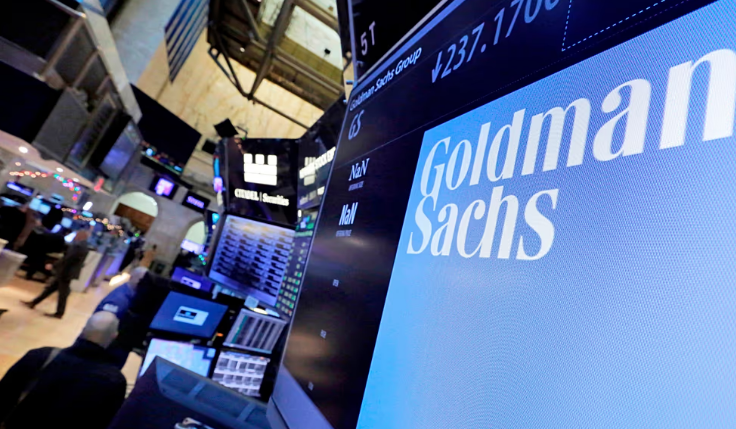
American multinational investment bank Goldman Sachs placed its Paris offices under police surveillance on Thursday after US authorities warned of a threat from a pro-Iranian group planning attacks on US bank buildings in the city using explosive devices. The bank authorised its Paris employees to work remotely. “The safety of our employees is our absolute priority, and we are taking the necessary measures to ensure their security,” a spokeswoman told AFP.
While French security services believe France itself is unlikely to be directly targeted, officials warn that US and Israeli establishments could be at risk due to escalations in the region. Goldman Sachs declined to comment further when contacted by Euronews.
The heightened alert follows a foiled bomb attack on a Bank of America branch in Paris on 28 March. Four individuals—a young adult and three minors—have been formally charged. French authorities say the adult allegedly recruited the teenagers, who were reportedly tasked with planting an explosive device outside the building.
France’s National Anti-Terrorism Prosecutor’s Office indicated that the attack may be linked to Harakat Ashab al-Yamin al-Islamiya (HAYI), a little-known Islamist group with possible ties to Iran. No formal connection has yet been established. HAYI, which translates as the Islamic Movement of the Companions of the Right, has previously claimed responsibility for attacks on Jewish community targets in the UK, Belgium, and the Netherlands.
Security experts note that the timing of the alert is linked to the wider Middle East conflict. The US and Israel launched strikes against Iran on 28 February, sparking a regional escalation that has raised concerns about potential reprisals abroad.
French authorities have increased police presence around US-linked financial institutions and diplomatic missions. Sources say intelligence sharing between French and US security services has intensified to prevent any further attacks.
The Bank of America incident underscores a growing concern among multinational corporations operating in Europe. Companies with US and Israeli ties are reviewing security protocols, and some, including Goldman Sachs, have temporarily shifted employees to remote work while authorities monitor threats.
Analysts say that while the immediate risk to the general public remains low, the foiled attack demonstrates the capability of small extremist cells to exploit local recruits, particularly minors, in planning acts of terrorism. Authorities are urging vigilance and cooperation with law enforcement to prevent further incidents.
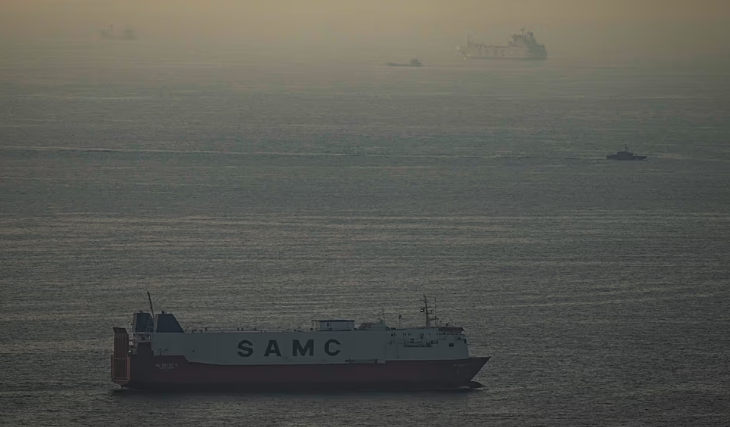
A vessel owned by France’s CMA CGM has become the first ship tied to Western Europe to cross the Strait of Hormuz since the outbreak of the Iran war in late February, according to ship tracking data.
The Maltese-flagged container ship, CMA CGM Kribi, sailed eastbound from waters off Dubai on Thursday afternoon. The vessel, which belongs to the world’s third-largest container line, broadcast its French ownership while navigating the approved corridor between the Iranian islands of Qeshm and Larak.
The CMA CGM Kribi had remained idle in the Gulf since early March, like many other non-Iranian vessels, after commercial traffic sharply declined following the outbreak of hostilities. CMA CGM, majority-owned by the Saade family, coordinated the transit with Iranian maritime authorities. The ship is believed to be en route to Pointe Noire in the Republic of Congo, operating as part of a service linking India, the Middle East Gulf, and Africa.
Ship tracking experts said the successful passage may encourage other carriers to resume operations if the corridor remains reliable in the coming days. Previous test transits by Chinese-linked vessels demonstrated that controlled movements through the waterway were possible, but Western European ships had largely stayed away amid safety and insurance concerns.
Iran’s deputy foreign minister, Kazem Gharibabadi, announced on Thursday that Tehran is drafting a protocol with Oman to secure traffic through the Strait of Hormuz, according to Iranian state media. Reports suggest the Islamic Revolutionary Guard Corps (IRGC) is considering charging tolls starting at $1 per barrel and accepting payment in Chinese yuan or stablecoins. Ships may also be required to submit detailed data to IRGC-linked intermediaries for approval, with access determined by a country ranking system.
In a related development, an LNG tanker has entered the Strait of Hormuz in what could be the first transit of its kind since the conflict began. The Sohar LNG vessel, not carrying cargo, changed course toward the Qalhat LNG export terminal in Oman and moved eastward through the waterway on Thursday, according to ship tracking data.
Energy carriers such as tankers and gas vessels have largely avoided the Strait since the war started due to heightened risks and the suspension of standard insurance coverage. While container ships have led recent test transits, the LNG tanker’s movement underscores the gradual return of different vessel types to the strategically critical maritime chokepoint.
Analysts said these developments signal a cautious resumption of commercial activity in the Strait, a key route for global trade and oil shipments, as regional authorities work to manage maritime security and restore confidence among international shipping companies.

Europe’s Public Holidays Come with a Price Tag as Denmark Cuts One for Defence Spending

First Western European Ship Crosses Strait of Hormuz Since Iran War Began

First Western European Ship Crosses Strait of Hormuz Since Iran War Began

Study Links Agricultural Pesticide Exposure to Higher Cancer Risk in Peru

Oil Prices Jump as Stocks Slide After Trump Signals Continued Strikes on Iran

Stellantis Recalls Thousands of Vehicles in Spain Over Potential Fire Risk

Jet Fuel Prices Surge Amid Iran War, Airlines Hike Fares and Cut Flights

Global Markets Rally on Hopes of Iran War De-escalation After Trump Comments

Europe Urged to Rethink Air Defence Strategy as Drone Warfare Shifts Cost Balance

At Least Five Explosions Hit Dubai in Iranian Missile and Drone Strike

Meta Acquires Tilda Swinton VR Doc ‘Impulse: Playing With Reality’

Saudi Arabia’s Model for Sustainable Aviation Practices

Recent Developments in Small Business Taxes

Effective Drain Cleaning: A Key to a Healthy Plumbing System

Who was Ebrahim Raisi and his status in Iranian Politics?

Carrectly: Revolutionizing Car Care in Chicago

Keely Hodgkinson Wins Britain’s First Athletics Gold at Paris Olympics in 800m

Saudi Arabia: Foreign Direct Investment Rises by 5.6% in Q1

Chinese Hackers Infiltrate Major U.S. Telecom Firms in Possible National Security Breach

Nobel Laureate Muhammad Yunus Proposed as Head of Bangladesh’s Interim Government Following Hasina’s Resignation

Sony WF-10XM4: Headphones Are Our Absolute Favorite

10 Places You Can’t Miss If It’s Your First Time in European

New Census Data Will Shake Up Alabama Politics

16 Top of Our Favorite Outdoor Clothing Brands

Fashionable Summer Accessories to Dress Up Your Travel Look

How Sleeping Less than 7 Hours a Night Can Lead to Weight Gain
-
 Entertainment2 years ago
Meta Acquires Tilda Swinton VR Doc ‘Impulse: Playing With Reality’
-
 Business2 years ago
Saudi Arabia’s Model for Sustainable Aviation Practices
-
 Business2 years ago
Recent Developments in Small Business Taxes
-
 Home Improvement1 year ago
Effective Drain Cleaning: A Key to a Healthy Plumbing System
-
 Politics2 years ago
Who was Ebrahim Raisi and his status in Iranian Politics?
-
 Business2 years ago
Carrectly: Revolutionizing Car Care in Chicago
-
 Sports2 years ago
Keely Hodgkinson Wins Britain’s First Athletics Gold at Paris Olympics in 800m
-
 Business2 years ago
Saudi Arabia: Foreign Direct Investment Rises by 5.6% in Q1