
News
US Military Strikes Drug-Smuggling Boats, Raising Death Toll to 115 Since September

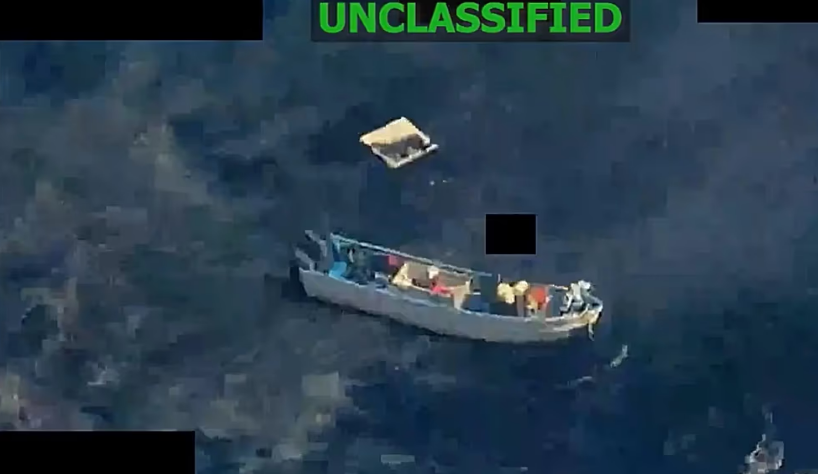
The US military carried out strikes on five alleged drug-smuggling boats over two days, killing at least eight people while others jumped overboard, US Southern Command said on Thursday. The attacks bring the total number of known boat strikes since early September to 35, with at least 115 people killed, according to official figures.
The strikes took place on Tuesday and Wednesday, though Southern Command did not disclose the locations of the operations in the Caribbean Sea or the eastern Pacific Ocean. Videos released by the command show boats traveling in close formation, described as unusual, along known trafficking routes. Southern Command said the vessels had transferred narcotics between them before the strikes, although the military did not provide evidence to support this claim.
In the first attack, three people were killed when one boat was struck, while occupants of two other vessels jumped into the water to escape. Southern Command said it immediately contacted the US Coast Guard to begin search and rescue efforts, but did not confirm whether those who jumped were rescued.
The Coast Guard’s involvement is significant given earlier scrutiny over US military operations targeting drug-smuggling boats. In September, survivors of an attack on a disabled boat were killed in a follow-up strike, sparking criticism from some Democratic lawmakers and legal experts who said the action may have violated international law. The Trump administration and some Republican lawmakers defended the strike as legal.
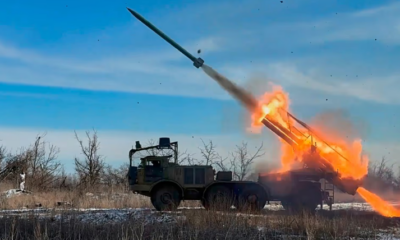
On Wednesday, US forces attacked two more vessels, reportedly killing five people engaged in drug trafficking. Videos released by Southern Command showed explosions hitting boats, but no further details were provided on the waters where the attacks took place or evidence of the alleged smuggling.
President Donald Trump has defended the military operations, describing them as part of a necessary escalation to reduce the flow of drugs into the United States. He characterized the campaign against drug cartels as an “armed conflict” and has bolstered US forces in the region to increase pressure on Venezuelan President Nicolás Maduro, who faces charges of narco-terrorism in the United States.
In a separate development, the CIA carried out a drone strike last week at a docking area believed to be used by Venezuelan drug cartels, according to two sources familiar with the classified operation. The strike marked the first known direct US action on Venezuelan soil since the military began targeting suspected cartel vessels in September, highlighting a further escalation in Washington’s campaign against Maduro’s government.
The US operations have intensified regional tensions and raised questions about the legal and humanitarian implications of military strikes on suspected drug-smuggling boats, as well as the fate of those who escape into the water during such attacks.
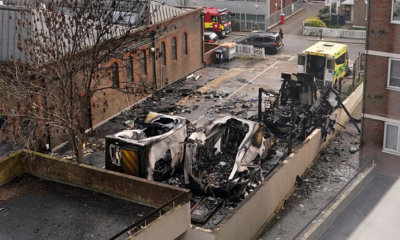





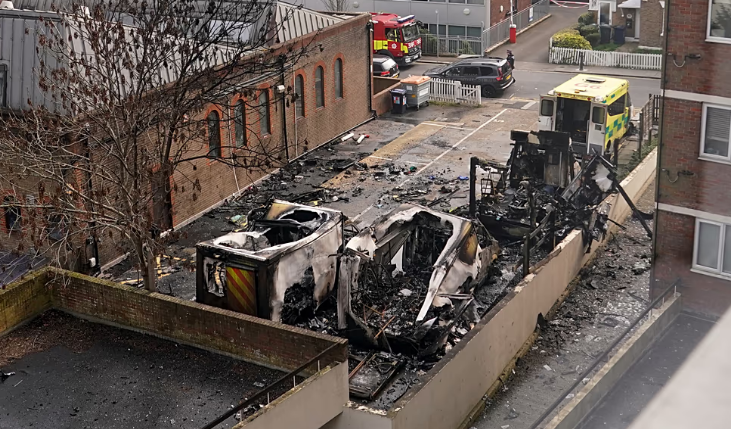
British police said they were investigating a suspected arson attack as an antisemitic hate crime, after volunteer ambulances run by a Jewish organisation were set on fire in London on Monday.
The London Metropolitan Police confirmed that four Hatzalah ambulances, operated by the Jewish Community Ambulance Service, were deliberately set ablaze in the early hours of the morning. Multiple gas cylinders on the vehicles exploded, shattering windows in a nearby apartment block. Authorities evacuated residents from adjacent homes as a precaution, and no injuries were reported.
Prime Minister Keir Starmer condemned the attack as a “deeply shocking antisemitic arson attack.” He expressed his support for the Jewish community, writing on X, “My thoughts are with the Jewish community who are waking up this morning to this horrific news.”
Superintendent Sarah Jackson said police are reviewing CCTV footage and are aware of videos circulating online. “We believe we are looking for three suspects at this early stage,” she said. No arrests have been made. Officers remained on the scene to conduct urgent investigations and gather evidence.
The incident drew swift condemnation from local and national organisations. Shomrim, a nonprofit that operates a neighbourhood watch in the area, called the attack “not only a criminal act of arson, but a targeted and deeply concerning incident affecting a vital emergency service serving the local Jewish community.”
Community Security Trust (CST), a charity that monitors antisemitism in the UK, said it is assisting police with the investigation. The group highlighted the seriousness of the attack, noting that targeting emergency services could endanger both the Jewish community and wider residents who rely on volunteer medical support.
Hatzola, the Jewish volunteer ambulance service, was established in 1979 and provides free medical transportation and emergency response across north London. Operated entirely by volunteers, the organisation plays a critical role in responding to urgent medical emergencies in densely populated neighbourhoods.
Authorities stressed that the investigation is ongoing and appealed for witnesses to come forward. Police urged anyone with information or footage from the area to assist in identifying the suspects. Superintendent Jackson added, “We know this incident will cause a great deal of community concern and officers remain on scene to carry out urgent enquiries.”
The arson attack has sparked concern across London, highlighting rising tensions and the vulnerability of community services. Officials emphasised that hate crimes against ethnic and religious communities are taken seriously, and authorities are committed to ensuring public safety while bringing the perpetrators to justice.
The attack comes amid growing scrutiny of antisemitic incidents in the UK, with advocacy groups calling for increased protection for both communities and the volunteer services that support them.
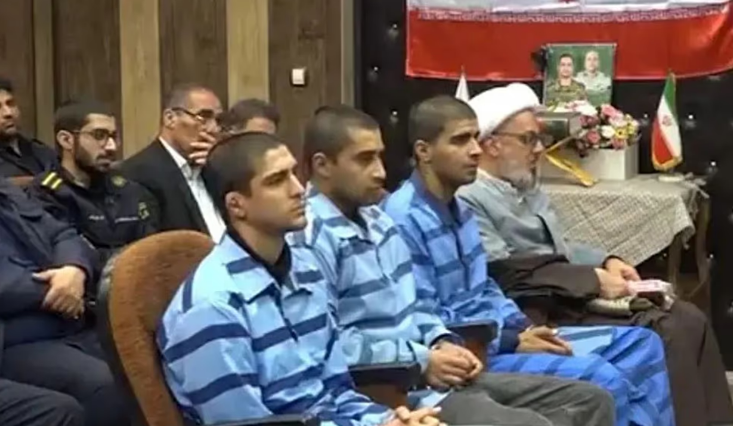
Rights groups said the trio, who included a teenager who had taken part in international wrestling competitions, were executed without a fair trial and had given confessions under torture.
Iran executed three men on Thursday who were accused of killing police officers during nationwide protests in January, raising fears among activists of a potential surge in hangings as the country faces war with Israel and the United States. The executions mark the first publicized hangings related to the nationwide demonstrations, which were met with a severe crackdown by Iranian authorities.
The men, Mehdi Ghasemi, Saleh Mohammadi, and Saeed Davoudi, were hanged in the city of Qom, south of Tehran, after being convicted of waging war against God, a capital offense under Iran’s sharia known as moharebeh, according to the judiciary’s Mizan news agency. Authorities said the trio were involved in the killing of two police officers and carried out “operational actions” in favor of Israel and the United States.
Rights groups raised immediate concerns over the fairness of the trials. Saleh Mohammadi, a teenage wrestling champion who had competed internationally, was reportedly denied proper legal defense and forced to give confessions during fast-tracked proceedings, according to Amnesty International. Norway-based NGO Iran Human Rights said the three men were “sentenced to death following an unfair trial, based on confessions obtained under torture,” noting that Mohammadi had just turned 19.
Legal affairs monitor Dadban added that the men were “deprived of effective access to independent counsel and the right to defense,” arguing that under such circumstances, the death penalty amounts to “extrajudicial killing.”
The hangings come a day after the execution of Kouroush Keyvani, a dual Iranian-Swedish national accused of spying for Israel, which drew condemnation from Stockholm and the European Union. That execution was the first publicly announced since U.S. and Israeli strikes on Iran on 28 February killed Supreme Leader Ayatollah Ali Khamenei, escalating a conflict that has spread across the Middle East.
Activists warned that Iran could use such executions to intimidate citizens. “We are deeply concerned about the risk of mass executions of protesters and political prisoners in the shadow of war,” said Iran Human Rights. “These executions are carried out to spread fear in society, as the Islamic Republic knows that the main threat to its survival comes from the Iranian people demanding fundamental change.”
The January protests initially erupted over rising living costs and quickly evolved into nationwide anti-government demonstrations, peaking on 8–9 January. Rights groups estimate that thousands of protesters were killed in the crackdown, with the Human Rights Activists News Agency recording over 7,000 deaths, while Tehran acknowledges more than 3,000 fatalities, including security personnel and civilians.
Hundreds of individuals are still facing charges connected to the protests that could carry the death penalty. Iran remains one of the world’s most prolific executioners, with at least 1,500 people hanged last year alone, according to Iran Human Rights.
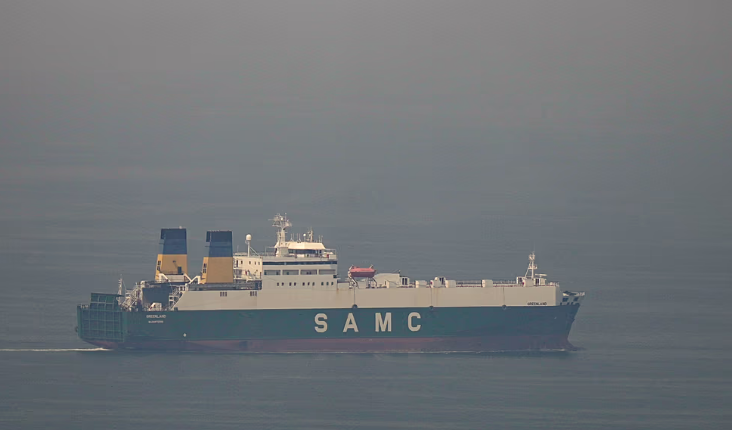
Foreign ministers from the European Union are scheduled to meet in Brussels on Monday to discuss whether the bloc’s naval mission should be extended to the Strait of Hormuz amid rising tensions in the Middle East and soaring global oil prices.
The discussions come as the conflict involving the United States and Israel against Iran continues to disrupt global energy markets. The narrow maritime passage handles roughly 20 percent of the world’s oil shipments, making it one of the most critical trade routes for energy supplies.
According to a person familiar with the matter, EU ministers will consider expanding the bloc’s naval mission Operation Aspides to include patrols in the Strait of Hormuz.
Operation Aspides was launched in early 2024 to protect international shipping in the Red Sea after attacks by Yemen’s Houthi forces on commercial vessels traveling through the region.
Pressure from Washington has been increasing in recent days. Donald Trump urged several major powers, including the United Kingdom, France, China and Japan, to deploy naval vessels to the area to safeguard oil shipments passing through the Strait of Hormuz.
Tehran announced last week that it would block the waterway in response to US-Israeli strikes on its territory. Since then, several vessels have reportedly come under attack in the region, increasing fears about disruptions to global energy supplies.
Despite the pressure from Washington, some European officials remain cautious about expanding the mission. Johann Wadephul confirmed that the issue would be discussed at the meeting in Brussels but expressed skepticism about the need for such an operation.
In an interview with German public broadcaster ARD, Wadephul said he did not see an immediate requirement for extending the naval mission and ruled out Germany’s participation for now. He also called on the United States and Israel to provide clearer information about their objectives and strategy in the war against Iran.
His remarks reflect broader concerns among European officials who say Washington has not fully explained the timeline or long-term goals of the military campaign.
Meanwhile, global oil markets remain under pressure as the conflict continues. Chris Wright said on Sunday that the war with Iran could end within a few weeks. He added that energy prices would likely fall once stability returns to the region and shipping lanes reopen.
Despite those reassurances, crude oil prices have climbed above $100 per barrel, raising concerns among governments and economists about the potential impact on inflation and economic growth worldwide.
The meeting in Brussels is expected to focus on whether European countries should play a larger role in protecting maritime traffic in the Gulf as tensions continue to escalate.

Europe Struggles to Meet Tuberculosis Targets Amid Rising Drug Resistance

US to Pay $1 Billion to TotalEnergies to Exit Offshore Wind Projects, Sparking Criticism

Eurozone Faces Sharp Stagflation Risk as Iran Conflict Drives Costs Higher

European Journalist Suspended for Using AI-Generated Fake Quotes

London Ambulances Targeted in Suspected Antisemitic Arson Attack

Kent Meningitis B Outbreak Cases Drop to 29, UKHSA Confirms

Airbrush Tanning Solution Sun Labs for Smooth, Even Bronze Color

Iran Executes Three Men Over January Protests Amid Rising War Tensions

ECB Holds Interest Rates as Energy Prices Surge Amid Middle East Tensions

Ships Continue Passing Through Strait of Hormuz Despite Ongoing Conflict

Meta Acquires Tilda Swinton VR Doc ‘Impulse: Playing With Reality’

Saudi Arabia’s Model for Sustainable Aviation Practices

Recent Developments in Small Business Taxes

Effective Drain Cleaning: A Key to a Healthy Plumbing System

Who was Ebrahim Raisi and his status in Iranian Politics?

Carrectly: Revolutionizing Car Care in Chicago

Keely Hodgkinson Wins Britain’s First Athletics Gold at Paris Olympics in 800m

Saudi Arabia: Foreign Direct Investment Rises by 5.6% in Q1

Chinese Hackers Infiltrate Major U.S. Telecom Firms in Possible National Security Breach

Nobel Laureate Muhammad Yunus Proposed as Head of Bangladesh’s Interim Government Following Hasina’s Resignation

Sony WF-10XM4: Headphones Are Our Absolute Favorite

10 Places You Can’t Miss If It’s Your First Time in European

New Census Data Will Shake Up Alabama Politics

16 Top of Our Favorite Outdoor Clothing Brands

Fashionable Summer Accessories to Dress Up Your Travel Look

How Sleeping Less than 7 Hours a Night Can Lead to Weight Gain
-
 Entertainment2 years ago
Meta Acquires Tilda Swinton VR Doc ‘Impulse: Playing With Reality’
-
 Business2 years ago
Saudi Arabia’s Model for Sustainable Aviation Practices
-
 Business2 years ago
Recent Developments in Small Business Taxes
-
 Home Improvement1 year ago
Effective Drain Cleaning: A Key to a Healthy Plumbing System
-
 Politics2 years ago
Who was Ebrahim Raisi and his status in Iranian Politics?
-
 Business2 years ago
Carrectly: Revolutionizing Car Care in Chicago
-
 Sports2 years ago
Keely Hodgkinson Wins Britain’s First Athletics Gold at Paris Olympics in 800m
-
 Business2 years ago
Saudi Arabia: Foreign Direct Investment Rises by 5.6% in Q1