
Business
US to Pay $1 Billion to TotalEnergies to Exit Offshore Wind Projects, Sparking Criticism

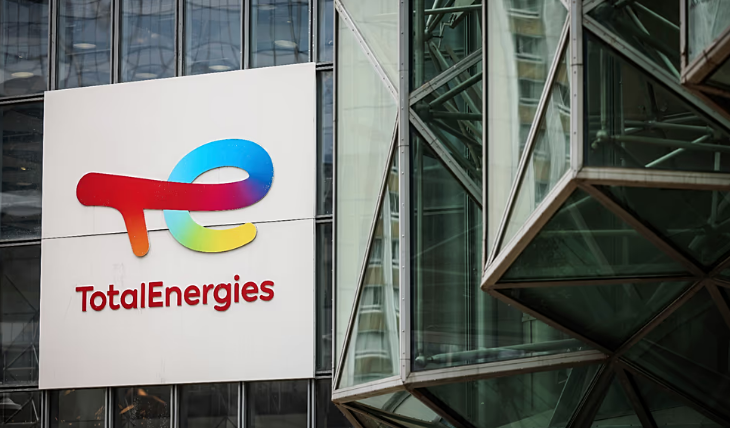
Washington will refund a French energy giant to exit US offshore wind plans, fueling criticism from environmental groups. The Trump administration has agreed to pay $1 billion (€860 million) to TotalEnergies SE to abandon two offshore wind leases off the coasts of North Carolina and New York. The French company will instead redirect the funds toward fossil fuel projects, according to a press statement from TotalEnergies.
“Considering that the development of offshore wind projects is not in the country’s interest, we have decided to renounce offshore wind development in the United States, in exchange for the reimbursement of the lease fees,” said Patrick Pouyanné, chairman and chief executive officer at TotalEnergies. He added that the refunded lease fees will finance a liquefied natural gas plant in Texas and support the company’s oil and gas activities, describing it as a “more efficient use of capital” in the US.
The Interior Department confirmed that after these investments, TotalEnergies will be reimbursed up to the amount initially paid for the offshore wind leases. The company acquired its Carolina Long Bay lease in 2022 for roughly $133 million (€115 million), aiming to generate more than 1 gigawatt of clean energy, enough to power about 300,000 homes. Its New York and New Jersey lease, also purchased in 2022 for $795 million (€685 million), was designed as a larger project capable of producing 3 gigawatts to supply nearly one million homes. TotalEnergies has significant experience in offshore wind projects in Europe and Asia.
The Trump administration has intensified efforts against offshore wind construction. Last year, it halted five major projects, including Denmark’s Ørsted development, citing national security concerns. Developers and states challenged the orders in court, and federal judges allowed all five projects to resume, ruling that the government had not demonstrated an immediate risk. Interior Secretary Doug Burgum described the current deal as “an innovative agreement” that prevents “ideological subsidies that benefited only the unreliable and costly offshore wind industry.” He praised TotalEnergies for committing to projects that deliver “dependable, affordable power” to US households.
Environmental groups, however, denounced the arrangement as a “billion-dollar bribe” to block clean energy. Lena Moffitt, executive director of Evergreen Action, said, “After losing again and again in court on his illegal stop-work orders, Trump has found another way to strangle offshore wind: pay them to walk away.” Ted Kelly, clean energy director at the Environmental Defense Fund, called it “an outrageous misuse of taxpayer dollars to prevent Americans from having clean, affordable power exactly when they need it most.”
East Coast states continue to invest in offshore wind to expand the supply of affordable electricity, even as natural gas prices rise. Critics warn the TotalEnergies deal could undermine these efforts at a critical moment for the transition to renewable energy.
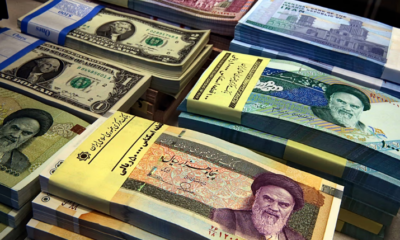




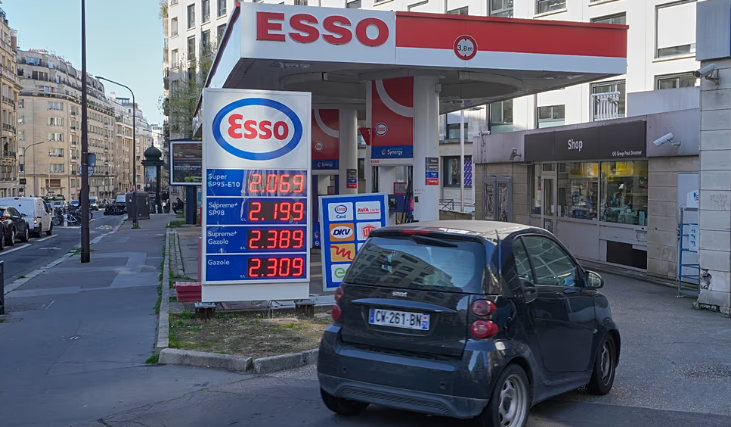
The Iran conflict has handed Europe its most punishing economic combination in years — stagflation. With input costs surging, output stalling and confidence collapsing, the European Central Bank’s window of stability appears to have closed.
The war in Iran, along with the surge in oil prices it has triggered, is already taking a toll on eurozone business activity, supply chains and corporate confidence. Flash Purchasing Managers’ Index (PMI) surveys from S&P Global released Tuesday showed eurozone growth slowed in March as energy costs hit their highest level in more than three years.
The headline eurozone composite PMI fell to 50.5, down from 51.9 in February and below the 51.0 consensus. While the number still indicates minimal growth, economists are concerned about the concurrent spike in input costs. Rising energy prices, fuel expenses and maritime freight disruptions linked to the conflict in the Middle East pushed inflation among manufacturers and service providers to its fastest pace since February 2023.
Supplier delivery times lengthened to the worst level since August 2022, as companies struggled to secure essential inputs. “The flash Eurozone PMI is ringing stagflation alarm bells as the war in the Middle East drives prices sharply higher while stifling growth,” said Chris Williamson, chief business economist at S&P Global Market Intelligence. He added that the drop in future output expectations was the largest since Russia’s invasion of Ukraine in 2022.
The slowdown is particularly pronounced in the services sector, where new orders declined for the first time in eight months. Manufacturing has shown modest resilience as firms frontloaded purchases to mitigate potential disruptions. Inventories fell as businesses tried to buffer against further supply shocks.
Germany remains in expansion territory, with its composite PMI at 51.9, supported by manufacturing, which reached a 45-month high. Analysts say this surge is largely due to companies stockpiling materials to hedge against disruptions rather than genuine demand growth. German services activity weakened, reflecting rising costs and falling new business.
France presents a bleaker picture. The flash France Composite PMI dropped to 48.3, indicating contraction. Both manufacturing and services activity fell, with new orders declining at the fastest pace in 15 months. Input costs in France surged to the highest since November 2023, but limited pricing power prevented companies from passing costs to customers, squeezing margins.
The PMI data highlight a growing dilemma for the ECB. Growth across the eurozone is approaching stagnation while inflation accelerates due to supply-side shocks rather than demand. Policymakers face the risk of stagflation if energy prices remain high and supply-chain disruptions continue. The trajectory of the Iran conflict and its effect on global energy markets will largely determine the eurozone’s economic outlook in the months ahead.
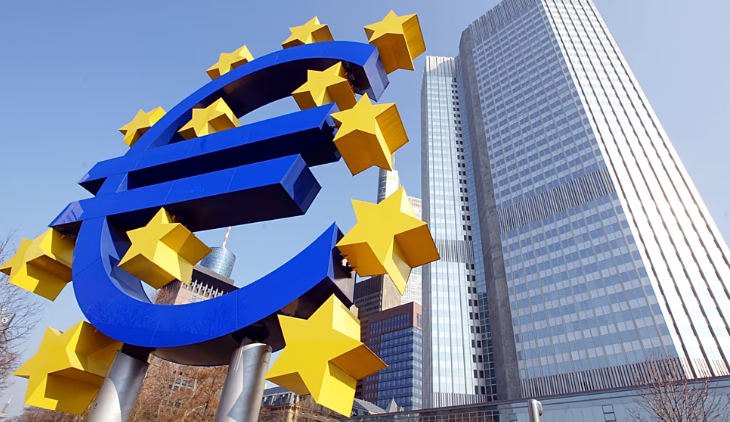
The European Central Bank (ECB) kept its key policy rates on hold on Thursday, as fresh spikes in oil and gas prices threaten to derail recent progress in reducing inflation.
The bank concluded its March meeting without altering borrowing costs, leaving the deposit facility rate at 2%. Other main policy rates, including the main refinancing operations (MRO) rate and the marginal lending facility rate, remain at 2.15% and 2.4% respectively. The move had been widely anticipated by analysts.
In its statement, the ECB warned that the ongoing war in the Middle East has added significant uncertainty, creating upward risks for inflation while posing downside risks for economic growth. The central bank noted that the conflict in Iran “will have a material impact on near-term inflation through higher energy prices,” and said its medium-term effects will depend on the conflict’s duration and intensity, as well as the broader impact on consumer prices and the European economy.
Thursday’s decision came amid a dramatic spike in energy costs. European natural gas futures jumped over 30% to €74 per megawatt hour, the highest level in more than three years. Oil prices also surged, with Brent crude climbing above $119 a barrel and West Texas Intermediate (WTI) exceeding $96, following Iranian attacks on key energy facilities in the Middle East. Analysts warn that if elevated energy costs persist for months, they could feed into wider price pressures and delay any rate cuts until well into 2027.
The ECB’s hold follows a similar decision in February, when the bank left rates unchanged and reaffirmed its commitment to bringing inflation back to its 2% medium-term target. Christine Lagarde, president of the ECB, emphasized the delicate balance policymakers face between supporting economic growth and containing inflationary pressures.
Markets responded cautiously to the announcement. Major European stock indices opened lower as investors weighed the energy shock against the ECB’s expected move. The euro edged slightly higher in early trading, while government bond yields rose modestly.
For households and businesses across the 21-country eurozone, the decision means that mortgage and loan rates linked to ECB policy will remain steady for now. However, money-market contracts have already adjusted to reflect the potential for one or two rate hikes later this year, rather than the cuts that had been forecast just weeks ago.
Economists noted that the ECB’s message signals continued vigilance. Any prolonged surge in oil and gas prices could force the central bank to maintain tight monetary conditions longer than anticipated, leaving both consumers and businesses to navigate higher financing costs while energy bills continue to rise.
The ECB’s action underscores the fragility of the eurozone recovery in the face of geopolitical shocks, highlighting the challenge of managing inflation while safeguarding economic growth.
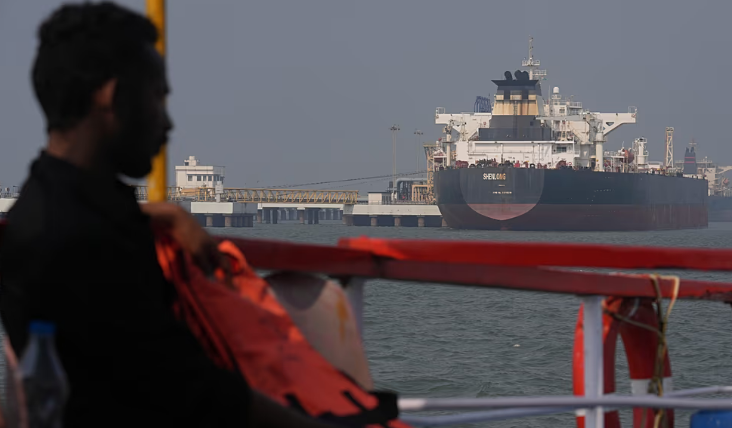
Dozens of ships are still navigating the Strait of Hormuz as Iran maintains oil exports despite continued attacks on one of the world’s most critical trade routes.
Around 90 vessels, including oil tankers, have crossed the strait since the conflict began earlier this month, according to maritime data. This comes even as most commercial traffic has been disrupted and nearly 20 ships have reportedly been targeted in the area. The strait, which normally carries about one-fifth of global oil supply, has seen a sharp drop in overall movement compared to pre-conflict levels.
Despite the risks, Iran has continued exporting oil, shipping more than 16 million barrels since the start of March, according to analytics firm Kpler. Much of this trade is believed to involve so-called “dark” shipping practices, where vessels avoid tracking systems to bypass sanctions and scrutiny. Analysts say many of these ships are linked to Iranian networks, while others have connections to countries such as China and Greece.
More recently, vessels tied to India and Pakistan have also passed through the strait following diplomatic engagement. Maritime data shows that the Pakistan-flagged tanker Karachi and India-linked gas carriers Shivalik and Nanda Devi successfully completed their journeys through the route in mid-March. Indian officials indicated that discussions with Tehran helped secure safe passage for the ships.
Experts say these crossings suggest the strait is not entirely closed but operating under selective conditions. Richard Meade, editor-in-chief of Lloyd’s List, said some vessels appear to be transiting with a degree of diplomatic coordination, often staying close to Iranian waters. There are also indications that certain ships have identified themselves as linked to China or staffed by Chinese crews, likely to reduce the risk of being targeted.
Oil markets remain highly sensitive to developments in the region. Prices have risen more than 40 per cent since the conflict began, briefly pushing Brent crude oil above $100 per barrel. The surge has prompted calls from Donald Trump for allied nations to help secure the waterway and restore stability to global energy supplies.
Iran has warned that it may block shipments destined for the United States, Israel and their allies, while allowing limited flows to continue. US officials have indicated that some Iranian exports are being tolerated to prevent further disruption to global markets.
Analysts say the current situation reflects a controlled but fragile balance, where the strait remains partially operational. While limited traffic continues, the risk of escalation remains high, and any further disruption could have significant consequences for global energy supply and prices.

Europe Struggles to Meet Tuberculosis Targets Amid Rising Drug Resistance

US to Pay $1 Billion to TotalEnergies to Exit Offshore Wind Projects, Sparking Criticism

Eurozone Faces Sharp Stagflation Risk as Iran Conflict Drives Costs Higher

European Journalist Suspended for Using AI-Generated Fake Quotes

London Ambulances Targeted in Suspected Antisemitic Arson Attack

Kent Meningitis B Outbreak Cases Drop to 29, UKHSA Confirms

Airbrush Tanning Solution Sun Labs for Smooth, Even Bronze Color

Iran Executes Three Men Over January Protests Amid Rising War Tensions

ECB Holds Interest Rates as Energy Prices Surge Amid Middle East Tensions

Ships Continue Passing Through Strait of Hormuz Despite Ongoing Conflict

Meta Acquires Tilda Swinton VR Doc ‘Impulse: Playing With Reality’

Saudi Arabia’s Model for Sustainable Aviation Practices

Recent Developments in Small Business Taxes

Effective Drain Cleaning: A Key to a Healthy Plumbing System

Who was Ebrahim Raisi and his status in Iranian Politics?

Carrectly: Revolutionizing Car Care in Chicago

Keely Hodgkinson Wins Britain’s First Athletics Gold at Paris Olympics in 800m

Saudi Arabia: Foreign Direct Investment Rises by 5.6% in Q1

Chinese Hackers Infiltrate Major U.S. Telecom Firms in Possible National Security Breach

Nobel Laureate Muhammad Yunus Proposed as Head of Bangladesh’s Interim Government Following Hasina’s Resignation

Sony WF-10XM4: Headphones Are Our Absolute Favorite

10 Places You Can’t Miss If It’s Your First Time in European

New Census Data Will Shake Up Alabama Politics

16 Top of Our Favorite Outdoor Clothing Brands

Fashionable Summer Accessories to Dress Up Your Travel Look

How Sleeping Less than 7 Hours a Night Can Lead to Weight Gain
-
 Entertainment2 years ago
Meta Acquires Tilda Swinton VR Doc ‘Impulse: Playing With Reality’
-
 Business2 years ago
Saudi Arabia’s Model for Sustainable Aviation Practices
-
 Business2 years ago
Recent Developments in Small Business Taxes
-
 Home Improvement1 year ago
Effective Drain Cleaning: A Key to a Healthy Plumbing System
-
 Politics2 years ago
Who was Ebrahim Raisi and his status in Iranian Politics?
-
 Business2 years ago
Carrectly: Revolutionizing Car Care in Chicago
-
 Sports2 years ago
Keely Hodgkinson Wins Britain’s First Athletics Gold at Paris Olympics in 800m
-
 Business2 years ago
Saudi Arabia: Foreign Direct Investment Rises by 5.6% in Q1
You must be logged in to post a comment Login