
Business
Oil Prices Jump as Stocks Slide After Trump Signals Continued Strikes on Iran

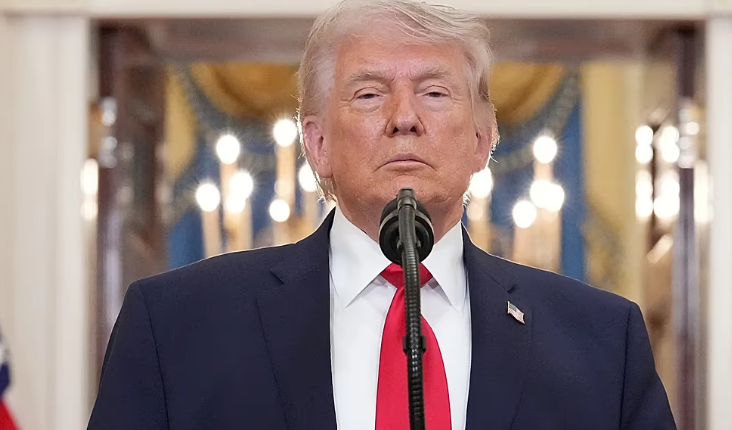
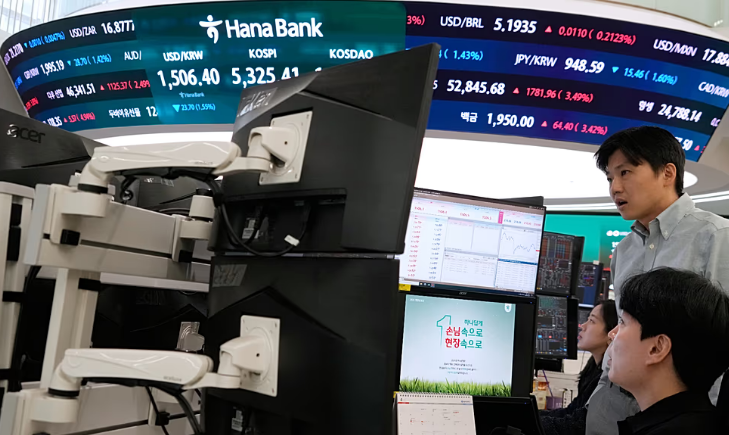
Oil rose sharply and European stocks fell after US President Donald Trump said in his first national address since the Iran war began that the United States would continue military action against Iran and “finish the job.” The remarks unsettled financial markets, with investors reacting to the absence of a clear plan to end the conflict.
Instead of outlining a path toward de-escalation, Trump signalled that attacks would continue over the next two to three weeks. “We are going to hit them extremely hard,” he said, adding that the US was close to achieving its core objectives. He also warned of further strikes on energy facilities if no agreement is reached with Tehran.
The lack of clarity over a ceasefire or diplomatic solution weighed on global markets. Brent crude briefly rose above $108 per barrel before settling near $107.70 at the European market open, while US West Texas Intermediate climbed 6.2% to around $106.30 per barrel. The gains reflect ongoing concerns about disruptions to global oil supply, particularly as the Strait of Hormuz remains a critical but uncertain route for energy shipments.
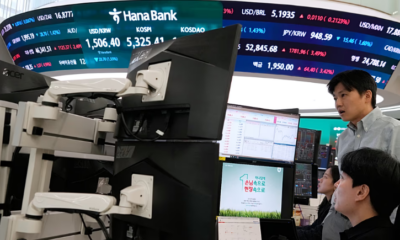
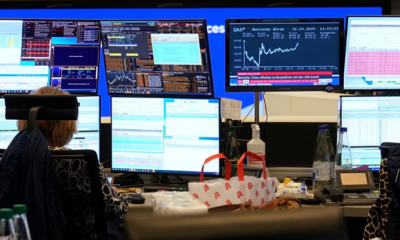
Stock markets across Europe opened lower. London’s FTSE 100 fell 0.7%, Paris’s CAC 40 dropped 1.2%, and Frankfurt’s DAX declined 1.5%. Indices in Milan and Madrid also posted losses of more than 1%. Energy companies such as ENI and TotalEnergies recorded gains of over 2%, benefiting from higher oil prices, while technology and industrial stocks, including Deutsche Telekom, Schneider Electric, and ASML, declined sharply.
Asian markets also closed in negative territory. Japan’s Nikkei 225 fell 2.4%, while South Korea’s Kospi dropped 4.5%. Hong Kong’s Hang Seng declined 1.1%, and China’s Shanghai Composite slipped 0.7%. US stock futures were also lower, pointing to potential declines on Wall Street.
Currency markets reflected the shift in sentiment, with the euro falling 0.5% against the US dollar. Precious metals also moved lower, with gold dropping 3.5% to $4,644.40 per ounce and silver falling 6.8% to $70.90.
Market analysts said investors had expected clearer signals from Washington about the direction of the conflict. “There were no concrete details about the end of the hostilities,” said Takashi Hiroki, chief strategist at Monex in Tokyo, noting that markets are seeking a defined path toward a ceasefire.
The latest market reaction highlights the sensitivity of global financial systems to geopolitical developments. With no immediate resolution in sight, traders and policymakers are closely watching how the conflict evolves and its potential impact on energy supply, inflation, and economic growth.
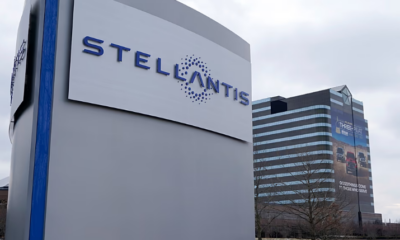

The problem affects Peugeot, Citroën, Opel, Lancia, Alfa Romeo, Jeep and Fiat vehicles manufactured between 2023 and 2026, according to the automotive group. The issue, which is not related to the engine itself but to two specific components, has prompted a voluntary recall by the company.
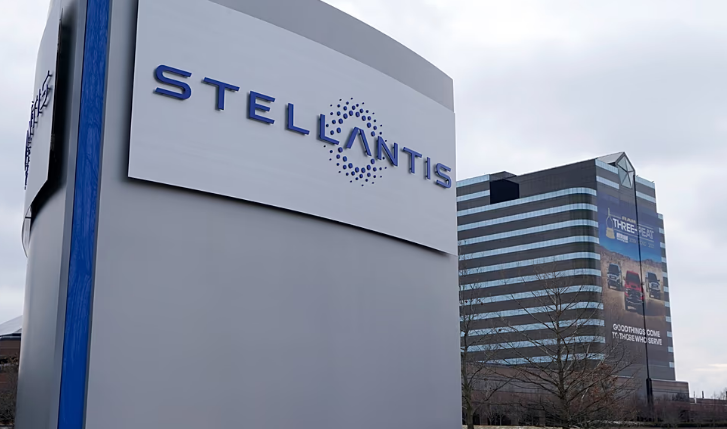
Stellantis announced it is recalling around 77,500 vehicles in Spain after identifying a fault that could, under certain conditions, pose a fire risk in the engine compartment. The company said the issue may arise in humid environments, where insufficient clearance between components could lead to overheating.
The recall covers multiple brands within the Stellantis group, including Peugeot, Citroën, Opel, Lancia, Alfa Romeo, Jeep and Fiat. The affected vehicles were produced between 2023 and 2026. The company stressed that the recall is precautionary and voluntary.
According to Stellantis, the problem involves the petrol particulate filter pipe and the protective cover of the belt-driven starter generator. In some cases, the distance between these parts may be too small, increasing the risk of heat buildup. In extreme situations, this could result in a fire hazard within the engine compartment.
German media have reported that the issue extends beyond Spain, with around 700,000 hybrid vehicles recalled globally. The information, cited from Germany’s Federal Motor Transport Authority, suggests the problem could affect vehicles across multiple markets.
Stellantis said it will contact affected customers directly, advising them to arrange an appointment with an authorised dealer. Repairs are expected to take approximately 30 minutes and will be carried out free of charge. The fix may involve replacing the protective cover of the starter generator with a component that offers improved insulation.
The company emphasised that addressing the issue promptly will eliminate the potential risk. Customers are being urged not to delay scheduling service appointments once notified.
Vehicle recalls have become increasingly common as manufacturers respond to safety concerns and regulatory requirements. Industry experts note that voluntary recalls, such as this one, are often initiated to prevent potential issues from escalating and to maintain consumer confidence.
While Stellantis has not reported any incidents linked to the defect, the recall highlights the importance of routine safety checks and timely maintenance. Owners of affected vehicles are encouraged to follow the company’s guidance to ensure their vehicles remain safe to operate.
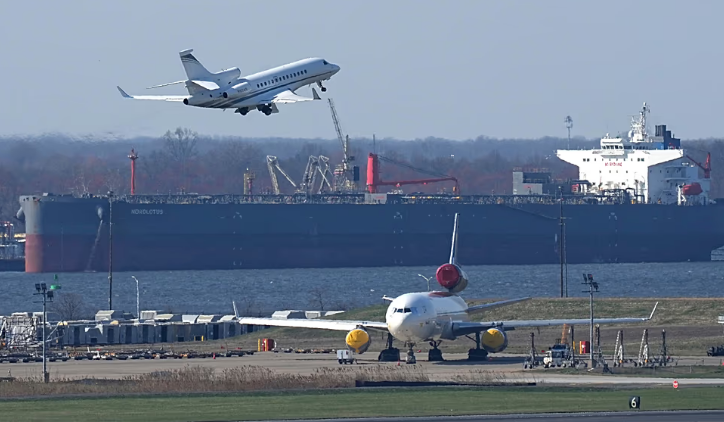
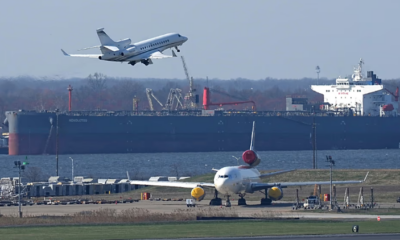
Jet fuel prices have more than doubled in recent weeks amid the ongoing Iran war. Airlines have responded with fare increases and temporary surcharges, so should you secure tickets now or wait? Tourists planning summer holidays face a difficult decision as the disruptions to global oil supplies, caused by the conflict in the Middle East, have spiked jet fuel prices leading to increases in flight costs that are passed on to passengers.
According to the International Air Transport Association’s (IATA) latest monitor, the global average jet fuel price reached $195.19 per barrel last week, down slightly from the previous week but still more than twice the levels seen in late February. In the United States, the Argus US Jet Fuel Index recorded over $4.60 per gallon on Monday, rising sharply from around $2.50 before the conflict began. Analysts warn that even if tensions ease, the effects on fuel prices and airfares are likely to linger.
Airlines are taking swift action to manage costs. United Airlines announced a 5% reduction in planned flights, while Scandinavian carrier SAS is cancelling at least 1,000 flights this month. Air New Zealand has trimmed capacity by 5% and cancelled around 1,100 services until early May. Asian carriers such as Cathay Pacific and Thai Airways have increased fares, with Thai Airways signalling hikes of 10% to 15%. Low-cost airlines including AirAsia and Qantas have introduced temporary surcharges. Carriers with fuel hedging programmes, such as Lufthansa and Ryanair, have been able to shield some of their costs.
The rise in fuel prices, which accounts for 25-35% of airline operating expenses, is affecting both long-haul and short-haul travel. Routes avoiding the Middle East have seen increased traffic, adding operational costs and prompting selective fare adjustments. Anita Mendiratta, special adviser to the UN Secretary General on Tourism, highlighted the logistical challenges in the UK. She said that while crude oil supplies remain stable, refined jet fuel and delivery to airports are the pressing issues. “Jet fuel cannot be stored in large quantities at airports, and even short disruptions can quickly create operational challenges, particularly at major hubs,” she explained.
Airlines are prioritising routes that generate the most revenue, often protecting long-haul and business travel while reducing frequency on lower-yield leisure and short-haul flights. Travel agencies report that customers are increasingly booking flexible or closer destinations to manage risk. Booking.com advised travellers to set up price alerts to monitor fluctuations as summer approaches.
European authorities are also urging citizens to consider reducing travel to curb energy demand. EU energy chief Dan Jørgensen recommended voluntary measures to conserve fuel for essential use.
With summer travel demand still strong but behaviour shifting, experts say travellers must weigh the risks of locking in fares now against potential further price hikes or capacity cuts. Flexible bookings and early monitoring may provide some protection in what remains an unpredictable market.

Study Links Agricultural Pesticide Exposure to Higher Cancer Risk in Peru

Oil Prices Jump as Stocks Slide After Trump Signals Continued Strikes on Iran

Stellantis Recalls Thousands of Vehicles in Spain Over Potential Fire Risk

Jet Fuel Prices Surge Amid Iran War, Airlines Hike Fares and Cut Flights

Global Markets Rally on Hopes of Iran War De-escalation After Trump Comments

Europe Urged to Rethink Air Defence Strategy as Drone Warfare Shifts Cost Balance

At Least Five Explosions Hit Dubai in Iranian Missile and Drone Strike

Eurozone Inflation Surges on Energy Shock, ECB Faces Tough Decisions

E-Cigarettes Found More Effective Than Patches and Gum for Quitting Smoking, Study Shows

Economic Anxiety Rises as Iran Conflict Impacts Mental Health, Experts Say

Meta Acquires Tilda Swinton VR Doc ‘Impulse: Playing With Reality’

Saudi Arabia’s Model for Sustainable Aviation Practices

Recent Developments in Small Business Taxes

Effective Drain Cleaning: A Key to a Healthy Plumbing System

Who was Ebrahim Raisi and his status in Iranian Politics?

Carrectly: Revolutionizing Car Care in Chicago

Keely Hodgkinson Wins Britain’s First Athletics Gold at Paris Olympics in 800m

Saudi Arabia: Foreign Direct Investment Rises by 5.6% in Q1

Chinese Hackers Infiltrate Major U.S. Telecom Firms in Possible National Security Breach

Nobel Laureate Muhammad Yunus Proposed as Head of Bangladesh’s Interim Government Following Hasina’s Resignation

Sony WF-10XM4: Headphones Are Our Absolute Favorite

10 Places You Can’t Miss If It’s Your First Time in European

New Census Data Will Shake Up Alabama Politics

16 Top of Our Favorite Outdoor Clothing Brands

Fashionable Summer Accessories to Dress Up Your Travel Look

How Sleeping Less than 7 Hours a Night Can Lead to Weight Gain
-
 Entertainment2 years ago
Meta Acquires Tilda Swinton VR Doc ‘Impulse: Playing With Reality’
-
 Business2 years ago
Saudi Arabia’s Model for Sustainable Aviation Practices
-
 Business2 years ago
Recent Developments in Small Business Taxes
-
 Home Improvement1 year ago
Effective Drain Cleaning: A Key to a Healthy Plumbing System
-
 Politics2 years ago
Who was Ebrahim Raisi and his status in Iranian Politics?
-
 Business2 years ago
Carrectly: Revolutionizing Car Care in Chicago
-
 Sports2 years ago
Keely Hodgkinson Wins Britain’s First Athletics Gold at Paris Olympics in 800m
-
 Business2 years ago
Saudi Arabia: Foreign Direct Investment Rises by 5.6% in Q1
You must be logged in to post a comment Login