
Business
Denmark Cuts Growth Outlook as Weight-Loss Drug Boom Reshapes Global Markets

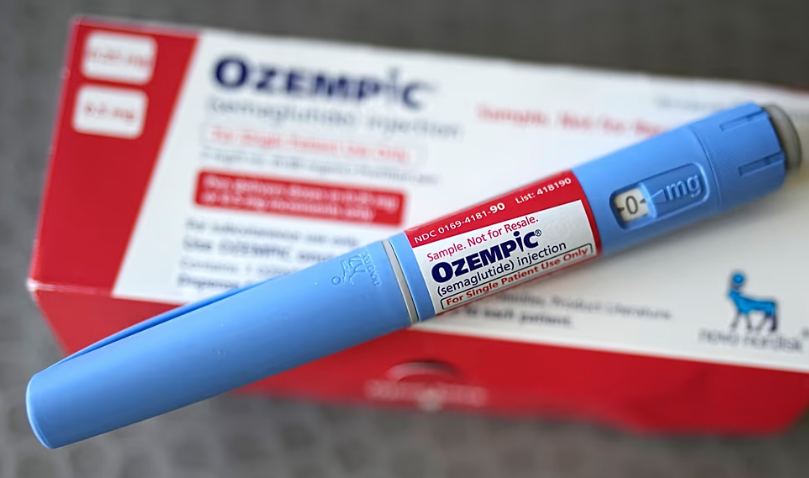
Denmark has halved its 2025 economic growth forecast, underscoring how the rapid rise of weight-loss drugs is now rippling far beyond the pharmaceutical sector.
The government announced that gross domestic product is expected to expand by just 1.4% next year, compared with a previous forecast of 3%. The sharp downgrade follows weaker expectations for Novo Nordisk, whose blockbuster drugs Ozempic and Wegovy have dominated the global obesity treatment market.
The revised outlook comes after Denmark’s economy grew by 3.7% in 2024, with pharmaceutical exports providing an outsized boost. But a buildup of inventories, stiffer competition from U.S. rival Eli Lilly, and new American tariffs on imports have slowed momentum. Shipments to the United States, the largest market for the drugs, have already fallen this year.
Novo Nordisk’s fortunes are so pivotal to the Danish economy that in 2023, the country’s statistics office reported GDP would have contracted without pharmaceutical sales. Instead, the economy grew by 1.8%. That level of concentration means a downturn for one company can shave full percentage points from national output.
A Global Market Shaping Economies
The impact of GLP-1 receptor agonists such as Ozempic and Wegovy extends well beyond Denmark. The drugs, which mimic a natural gut hormone that regulates blood sugar and appetite, have transformed the treatment of type 2 diabetes and produced striking weight-loss results even among non-diabetic patients.
Walmart’s chief executive said in 2023 that customers on GLP-1s were buying fewer items and lower-calorie foods, noting a “slight pullback in the overall basket.” Airlines, too, are weighing the potential savings if average passenger weights fall. Analysts estimate major U.S. carriers could collectively cut fuel costs by about $80 million annually if the average flyer were 10 pounds lighter.
Health systems are also calculating the benefits. Goldman Sachs has projected that widespread adoption of GLP-1 drugs could eventually raise U.S. GDP by up to 1%, citing reduced obesity-related illness, higher workforce participation, and fewer early deaths. A report from the bank estimated that poor health currently subtracts more than 10% from America’s economic output.
A Growing Global Industry
The market potential remains enormous. Morgan Stanley recently raised its forecast for the global obesity drug sector, predicting it could reach $150 billion by 2035, up from an earlier estimate of $105 billion. The bank compared the likely adoption rate to that of smartphones, projecting that 11% of eligible patients worldwide—about 140 million people—could be on GLP-1 therapies by the next decade.
In the United States alone, about 8 million people currently use the drugs, with that number expected to climb to 30 million by 2035.
For Denmark, however, the boom that once supercharged growth is now showing signs of cooling, leaving policymakers to contend with just how much the health revolution in weight-loss drugs can move the fate of an entire economy.














Genetic Differences May Shape Effectiveness of Popular Weight-Loss Drugs, Study Finds

Seven-Day Meditation Retreat Linked to Measurable Changes in Brain and Body, Study Finds

Fuel Prices Surge Across Europe as Middle East Crisis Pushes Oil Above $100

Oil Prices Surge as Strait of Hormuz Closure Shakes Markets

Britain and Norway Step Up Naval Patrols to Protect Undersea Infrastructure from Russia

Meta Launches Muse Spark, Its First Major AI Model in Nine Months

Fresh Attacks Reported Across Gulf Despite US-Iran Ceasefire Announcement

Sweden Accuses Iran of Using Criminal Gangs to Target Dissidents as Teenagers Face Trial

US-Iran Ceasefire Eases Tensions as Europe Reacts; US Politics Spill Into Hungary Vote

ENI and Egypt Announce Major Gas Discovery Amid Rising Energy Costs

Meta Acquires Tilda Swinton VR Doc ‘Impulse: Playing With Reality’

Saudi Arabia’s Model for Sustainable Aviation Practices

Recent Developments in Small Business Taxes

Effective Drain Cleaning: A Key to a Healthy Plumbing System

Who was Ebrahim Raisi and his status in Iranian Politics?

China’s Historic Olympic Victory Sparks National Pride Amid Controversy

Carrectly: Revolutionizing Car Care in Chicago

Keely Hodgkinson Wins Britain’s First Athletics Gold at Paris Olympics in 800m

Saudi Arabia: Foreign Direct Investment Rises by 5.6% in Q1

Chinese Hackers Infiltrate Major U.S. Telecom Firms in Possible National Security Breach

Sony WF-10XM4: Headphones Are Our Absolute Favorite

10 Places You Can’t Miss If It’s Your First Time in European

New Census Data Will Shake Up Alabama Politics

16 Top of Our Favorite Outdoor Clothing Brands

Fashionable Summer Accessories to Dress Up Your Travel Look

How Sleeping Less than 7 Hours a Night Can Lead to Weight Gain
-
 Entertainment2 years ago
Meta Acquires Tilda Swinton VR Doc ‘Impulse: Playing With Reality’
-
 Business2 years ago
Saudi Arabia’s Model for Sustainable Aviation Practices
-
 Business2 years ago
Recent Developments in Small Business Taxes
-
 Home Improvement1 year ago
Effective Drain Cleaning: A Key to a Healthy Plumbing System
-
 Politics2 years ago
Who was Ebrahim Raisi and his status in Iranian Politics?
-
 Sports2 years ago
China’s Historic Olympic Victory Sparks National Pride Amid Controversy
-
 Business2 years ago
Carrectly: Revolutionizing Car Care in Chicago
-
 Sports2 years ago
Keely Hodgkinson Wins Britain’s First Athletics Gold at Paris Olympics in 800m