
News
Iranian Women Push Back Against Regime Through Radical Acts of Protest

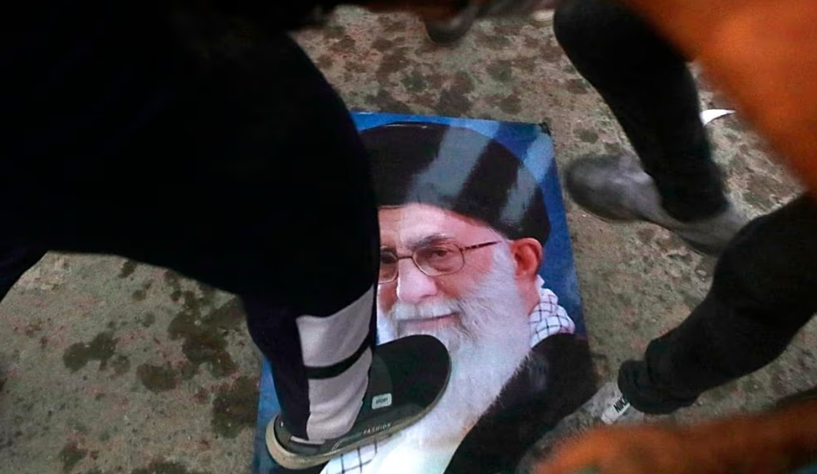
Iranian women are intensifying their protests against the country’s authoritarian system, moving beyond symbolic gestures like cutting their hair or burning headscarves toward more confrontational forms of dissent. Recent demonstrations have included burning images of Supreme Leader Ayatollah Ali Khamenei, often combined with acts that challenge social restrictions imposed on women.
In November 2025, Omid Sarlak, a young man from western Iran, posted a video showing himself setting fire to a portrait of Khamenei. Hours later, his body was found in his car with a gunshot wound to the head. That same month, Samad Pourshah, a former political prisoner, performed a similar protest, burning the leader’s photograph to denounce Sarlak’s death. Security forces raided his home shortly after, but he was not present and has remained in hiding since.
The Iranian regime has repeatedly cracked down on such acts. In 2021, poet Qasem Bahrami was arrested in Mashhad after burning a portrait of Khamenei. He was held incommunicado for two months. Despite these threats, women’s protests have grown more visible and defiant, often using the act of burning the ayatollah’s image to light cigarettes—a challenge to both political authority and societal restrictions on women’s behavior. Videos of these protests have circulated widely on social media, making containment by authorities increasingly difficult.
The movement traces its origins to the 2022 death of 22-year-old Mahsa Amini, who died in detention after allegedly violating hijab regulations. Her death sparked mass protests, known as the “Woman, Life, Freedom” movement, which were violently suppressed. More than 500 people were killed and over 19,400 arrested during the four-month crackdown. Despite the repression, women continued to resist through symbolic public acts.
In recent years, these acts have become increasingly bold. Women have appeared without hijabs in public spaces, knocked turbans off clerics, participated in sporting events without headscarves, and performed public demonstrations of nudity, including instances atop police vehicles. Protest participation spans all ages, including schoolgirls, highlighting the generational reach of the movement.
A separate dimension of protest has emerged through mass poisoning incidents in schools. Investigations revealed that more than 800 students in at least 15 cities were poisoned in 2023, causing widespread illness. The government denied involvement, and the perpetrators were never identified. Officials initially suggested the incidents aimed to close girls’ schools but later retracted these statements.
Analysts say Iranian women’s protests reflect a combination of resistance to political repression and defiance of deeply rooted social restrictions. By adopting highly visible and symbolic acts, they continue to push for freedom and equal rights despite the persistent threat of government violence. The movement has gained international attention, with videos circulating globally, underscoring the resilience of women’s activism in Iran.





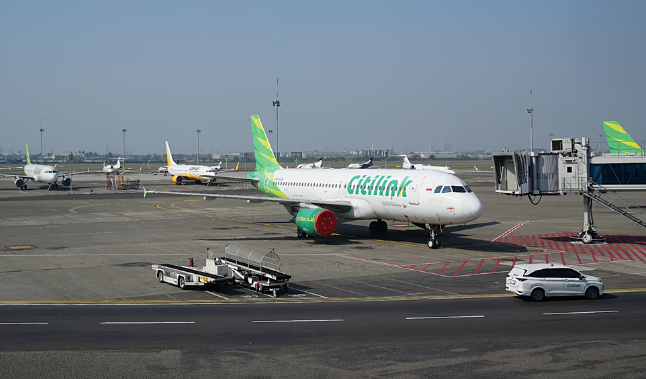
Indonesia’s Soekarno-Hatta International Airport suspended flight operations on Sunday after ash from an eruption of the Anak Krakatoa volcano was detected in the surrounding airspace, disrupting travel for thousands of passengers.
The active volcano, located in the Sunda Strait between the islands of Java and Sumatra, began erupting on Saturday. Indonesia’s geology agency reported a lava fountain, along with booming sounds and tremors that were felt and heard by residents in several areas.
Airport operations were suspended at about 1:30 a.m. local time on Sunday after volcanic ash was detected near the airport. Authorities later extended the closure after further testing confirmed the presence of ash in the area.
Indonesia’s Transport Ministry said the latest paper test produced positive results for volcanic ash around Soekarno-Hatta International Airport. The closure was extended until 9:30 a.m. local time, according to the ministry.
The disruption affected more than 22,000 passengers and 209 flights, officials said. International services, particularly flights operating to and from Singapore, were among those affected.
Flights serving Doha, Sydney and Kuala Lumpur were also disrupted. Local airport authorities reported that at least 16 domestic flights to Bali were cancelled as a result of the eruption and the resulting ash threat.
Volcanic ash can pose serious risks to aircraft because particles can enter jet engines and damage critical components. Airlines and aviation authorities therefore monitor volcanic activity closely and may suspend flights when ash clouds threaten flight paths or airports.
Anak Krakatoa, meaning “Child of Krakatoa”, emerged after the catastrophic 1883 eruption of Krakatoa, one of the most powerful volcanic eruptions recorded in history. The volcano has remained active and has experienced repeated eruptions in recent years.
The latest activity has prompted authorities to closely monitor the volcano and surrounding airspace. Residents in areas near the Sunda Strait have also reported the sounds and tremors associated with the eruption.
The disruption at Soekarno-Hatta, one of Indonesia’s busiest airports, highlights the wider impact volcanic activity can have on air travel. Even when an eruption occurs some distance from an airport, airborne ash can force airlines to cancel or reroute services.
Airlines were expected to continue assessing conditions as authorities monitored the movement and concentration of volcanic ash.
Passengers affected by the cancellations and delays have been advised to check with their airlines for updated schedules and alternative arrangements. The duration of any further disruption will depend on volcanic activity and the presence of ash in areas used by aircraft.
Authorities continue to monitor Anak Krakatoa as the volcano remains active.
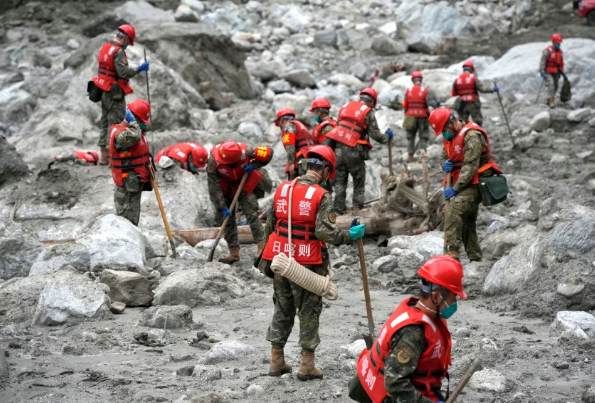
Gyirong Port, once a busy border crossing between China and Nepal, has been almost completely destroyed after a massive landslide and flood swept through the area, leaving hundreds of people missing on the Chinese side.
The high-altitude border hub has been reduced to a field of rocks, gravel, mud and debris. Emergency teams continue searching the unstable site, where the remains of the former checkpoint are barely visible.
The disaster struck on August 26 when a huge surge of water hit Gyirong Port after a landslide. The flood then moved into Nepal, causing widespread destruction and killing more than 1,000 people across the two countries, according to authorities.
The five-storey border checkpoint, which once handled tourists and traders travelling between the two countries, has been destroyed. Only parts of its foundations remain. Nearby facilities, including travel agencies, a supermarket and a bridge linking China with Nepal, were also swept away.
Rescue operations have been complicated by unstable ground, heavy rain, landslides and mountainous terrain. Emergency workers have also faced the danger of temporary barrier lakes created when debris blocked sections of a nearby river.
Chinese authorities said 31 people had been confirmed dead and 531 were missing on their side of the border in their latest update. More than 250 foreigners were among those reported missing, according to local officials in Tibet.
The absence of a publicly released list of missing people has caused concern among families searching for relatives who may have been at the port when the flooding occurred. Information from the Chinese side has emerged more slowly than updates from Nepal, where authorities have regularly reported rescue and casualty figures.
Chinese authorities have defended their handling of the disaster and organised a visit for international journalists to the restricted area to demonstrate the ongoing rescue effort.
Access to Gyirong Port has been particularly difficult. The journey from Lhasa to the affected region takes several hours through mountain roads reaching elevations of nearly 13,000 feet. The final route to the port involves narrow roads and numerous sharp bends.
Thousands of rescue workers and heavy machinery were able to enter the area only after roads were cleared several days after the disaster. Before that, smaller teams had reached the site on foot, by boat or by aircraft.
Authorities have also warned of further hazards linked to a damaged glacier on Nepal’s Langtang Lirung mountain, which was connected to the landslide and flooding.
The disaster has raised concerns about the need for stronger monitoring, information sharing and early-warning systems between China and Nepal as extreme natural events become harder to predict.
For now, rescue teams remain focused on recovering victims and finding answers for families still waiting for news of their missing relatives.
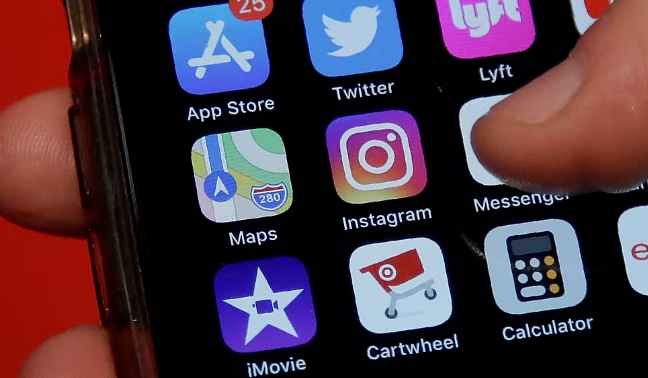
Smartphones and social media have become part of everyday life, but experts are increasingly examining what happens when digital habits become difficult to control. Behaviours such as doomscrolling, FOMO, nomophobia and problematic social media use are attracting growing attention as they begin to interfere with sleep, work, education, relationships and physical activity.
Not every person who spends hours online has an addiction. The key issue is whether someone can control their behaviour and whether excessive use causes significant problems in daily life.
Gaming disorder is currently the clearest example of a recognised digital condition. The World Health Organization includes it in the ICD-11 classification. It involves losing control over gaming, giving it greater priority than other activities and continuing to play despite harmful consequences. Symptoms generally need to persist for at least 12 months and cause substantial disruption to personal, social, educational or professional life.
Social media addiction is less clearly defined. It is not currently recognised as a separate ICD-11 diagnosis, but researchers often describe problematic social media use. Warning signs include repeatedly checking platforms, spending longer online than intended, becoming distressed when access is unavailable and neglecting other responsibilities.
A major WHO survey involving almost 280,000 adolescents aged 11, 13 and 15 across 44 countries and regions found that 11% showed signs of problematic social media use, up from 7% in 2018. The figure was 13% among girls and 9% among boys.
FOMO, or the fear of missing out, can also encourage repeated checking of messages, social networks and news. Researchers have linked FOMO with problematic online behaviour and difficulties managing emotions.
Doomscrolling describes repeatedly consuming negative news about wars, disasters, accidents and other crises. Although people may seek information to feel prepared, constant exposure to distressing material can increase anxiety and create a cycle of worry and further checking.
Nomophobia refers to anxiety associated with being without a mobile phone or losing access to digital connections. It is not an official medical diagnosis, but researchers are studying its relationship with FOMO, social media use and anxiety.
Other technology-related experiences include phantom vibration syndrome, where people believe their phone has vibrated when it has not, and sleep problems caused by late-night screen use.
The physical effects can also matter. Long periods on smartphones may contribute to inactivity, eye strain and neck or muscle discomfort.
Experts say the most important question is not simply how many hours someone spends on a phone. It is whether they can put it down and whether continued use is damaging other parts of their life.
When digital activity begins taking priority over sleep, work, study, relationships or physical activity, it may be time to reconsider how technology is being used.

Anak Krakatoa Eruption Disrupts Flights at Indonesia’s Main Airport

Gyirong Port Reduced to Ruins as China-Nepal Flood Disaster Leaves Hundreds Missing

Europe Faces Prolonged High Fuel Prices as Diesel Supplies Tighten

Medieval Manuscripts Reveal Thousands-Year History of Deadly Sheep Virus

Berlin Administration Hit by Massive Data Leak After Ransom Demand

IFA 2026 Showcases AI-Powered Homes Designed to Make Daily Life Easier

North African Dust Set to Worsen Air Quality Across Portugal

New Zealand Approves MDMA Treatment for Severe PTSD Under Strict Medical Controls

White House Launches Arcade Games Promoting Trump Policies, Drawing Criticism

US Imposes Tariffs of Up to 100% on Drones as Washington Targets Chinese Supply Chains

Meta Acquires Tilda Swinton VR Doc ‘Impulse: Playing With Reality’

China’s Historic Olympic Victory Sparks National Pride Amid Controversy

Saudi Arabia’s Model for Sustainable Aviation Practices

Recent Developments in Small Business Taxes

Effective Drain Cleaning: A Key to a Healthy Plumbing System

Who was Ebrahim Raisi and his status in Iranian Politics?

Keely Hodgkinson Wins Britain’s First Athletics Gold at Paris Olympics in 800m

Carrectly: Revolutionizing Car Care in Chicago

Nobel Laureate Muhammad Yunus Proposed as Head of Bangladesh’s Interim Government Following Hasina’s Resignation

Chinese Hackers Infiltrate Major U.S. Telecom Firms in Possible National Security Breach

Sony WF-10XM4: Headphones Are Our Absolute Favorite

10 Places You Can’t Miss If It’s Your First Time in European

New Census Data Will Shake Up Alabama Politics

16 Top of Our Favorite Outdoor Clothing Brands

Fashionable Summer Accessories to Dress Up Your Travel Look

How Sleeping Less than 7 Hours a Night Can Lead to Weight Gain
-
 Entertainment2 years ago
Meta Acquires Tilda Swinton VR Doc ‘Impulse: Playing With Reality’
-
 Sports2 years ago
China’s Historic Olympic Victory Sparks National Pride Amid Controversy
-
 Business2 years ago
Saudi Arabia’s Model for Sustainable Aviation Practices
-
 Business2 years ago
Recent Developments in Small Business Taxes
-
 Home Improvement2 years ago
Effective Drain Cleaning: A Key to a Healthy Plumbing System
-
 Politics2 years ago
Who was Ebrahim Raisi and his status in Iranian Politics?
-
 Sports2 years ago
Keely Hodgkinson Wins Britain’s First Athletics Gold at Paris Olympics in 800m
-
 Business2 years ago
Carrectly: Revolutionizing Car Care in Chicago