
News
Iran Agrees to Allow Humanitarian Shipments Through Hormuz as Nuclear Sites Hit

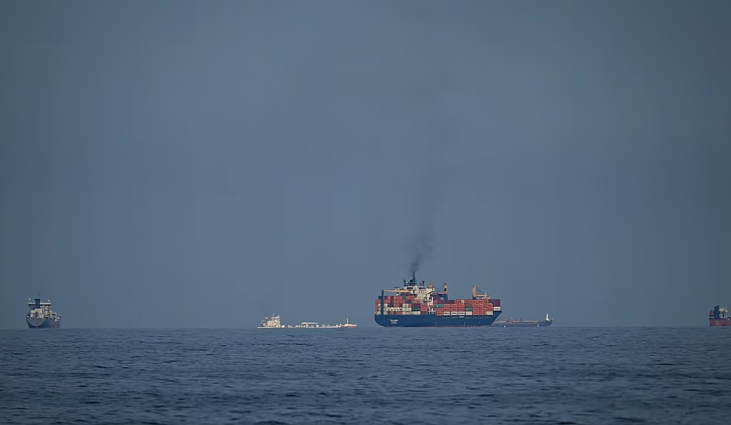




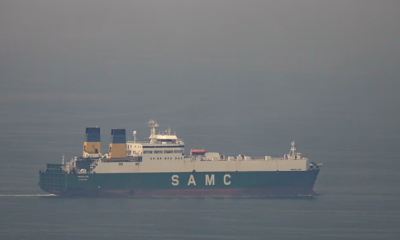

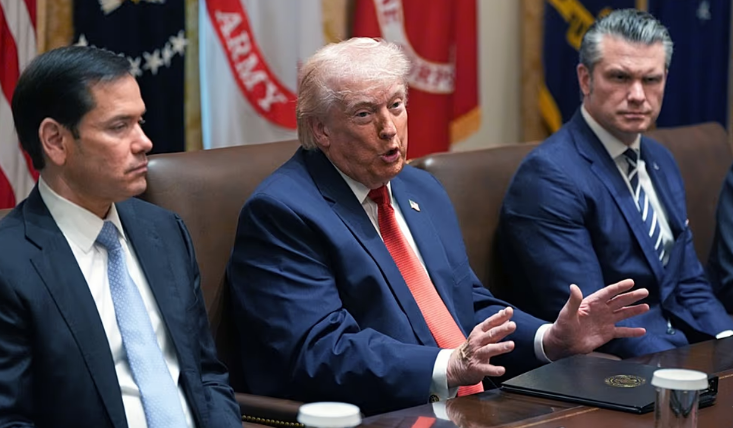
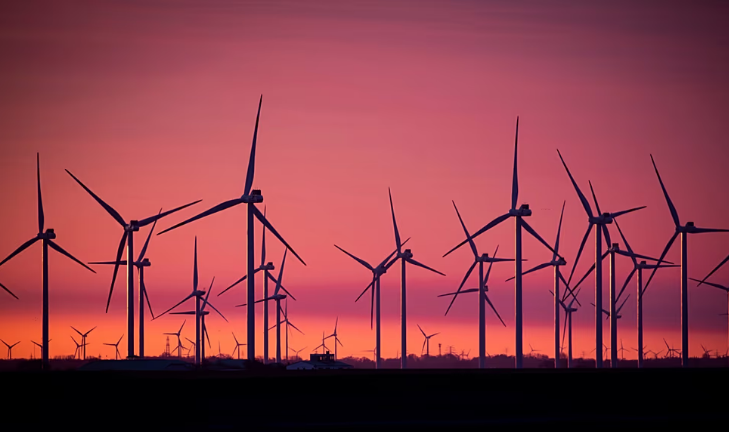
Europe is facing a paradox of soaring energy costs and wasted green power, as the war on Iran continues to expose the continent’s dependence on fossil fuels. While Brent crude, the world benchmark for oil prices, dipped yesterday morning (26 March) amid hopes of de-escalation, barrel prices have repeatedly exceeded $100 (around €86.38) since the conflict began. Before the US-Israel war on Iran, oil traded below €63 per barrel. Analysts say the surge is largely driven by the effective closure of the Strait of Hormuz, one of the world’s most critical fossil fuel chokepoints, responsible for roughly a fifth of global oil supplies.
Oil price volatility has pushed petrol and energy costs across Europe higher, prompting calls for increased North Sea drilling. However, research from the University of Oxford suggests expanding domestic oil and gas production would only save UK households up to £82 (€95) annually. By contrast, a fully renewable-powered UK could cut bills by up to £441 (€510) a year.
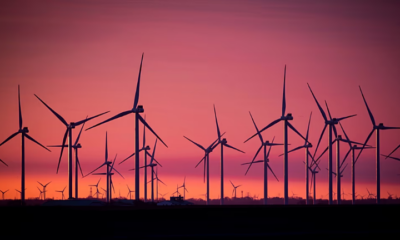
Despite rising geopolitical risks underscoring the appeal of green energy, Europe continues to waste enormous amounts of renewable electricity. Last year, Britain wasted £1.47 billion (around €1.78 billion) by curtailing wind turbines and paying gas plants to compensate. On 25 March alone, wasted wind cost the UK over £1.31 million (€1.5 million), with £95,091 (€109,831) attributed to curtailment and the remainder to purchasing replacement energy, mostly from fossil fuels. In Germany, curtailment compensation reached €435 million in 2025, down 22 percent from 2024 (€554 million), illustrating the scale of unused renewable power across the continent.
Energy experts point to Europe’s outdated infrastructure as a major factor. Much of the grid was designed for coal and later gas plants, sending power from central locations to population centers. Modern wind farms, however, are often offshore or in remote areas, making electricity transport more difficult. “When wind speeds are too strong, the grid becomes congested and the energy can’t reach where it’s needed,” says Octopus Energy. “This forces payments to switch wind turbines off and produce replacement power, often from fossil fuels.”
Aurora Energy Research warns that Europe’s grid bottlenecks now threaten Net Zero ambitions. Congestion management costs approached €9 billion in 2024, with 72 TWh of mostly renewable energy curtailed, roughly equivalent to Austria’s annual electricity consumption. Despite a 47 percent increase in grid investment over the last five years, experts say it remains insufficient.
In response, the UK government announced trials to provide discounted or free electricity on windy days in constrained areas. Greg Jackson, CEO of Octopus Energy, welcomed the initiative but cautioned that temporary trials may have limited impact. He argues permanent measures would encourage households and businesses to invest in electrification technologies, such as heat pumps, batteries, and electric vehicles, allowing surplus renewable energy to be used more effectively.
Europe’s outdated and under-invested energy grid means huge amounts of renewable energy are wasted every year. The case for renewable energy is stronger than ever, as the war on Iran continues to highlight the dangers of fossil fuel dependency.
News
Germany Rules Out Military Involvement in Iran War, Eyes Strait of Hormuz Security Post-Conflict
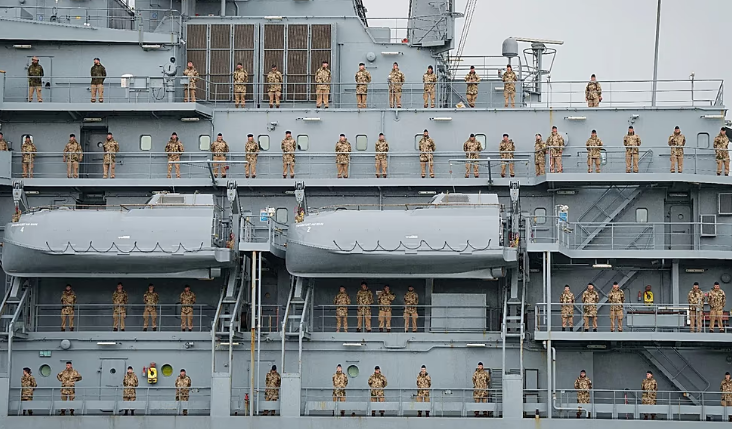
Germany has ruled out military involvement in the ongoing Iran war but said it could play a role in securing the Strait of Hormuz once hostilities end, Defence Minister Boris Pistorius said during a visit to Australia.
“We do not want to be drawn into this war,” Pistorius said in Canberra on Thursday. “As long as the war continues, we will not get involved militarily.” He added that Germany could participate in an international mission with a clearly limited remit after a ceasefire or peace agreement. “After a ceasefire or peace, we can, of course, imagine and are prepared in principle to participate in an operation to secure the freedom of navigation through the Strait of Hormuz,” Pistorius said. The Bundeswehr could take on a role in securing one of the world’s most important trade routes after the end of hostilities, “but now is not the time to discuss that,” he added.
Pistorius met his Australian counterpart, Richard Marles, in Canberra, where the two countries agreed to expand defence cooperation and simplify troop deployments. A troop status agreement will be developed to make the deployment of armed forces in each other’s territory more streamlined. The two countries also pledged to expand joint defence projects, including space-based early-warning systems designed to detect threats such as attacks on satellites by Russia or China.
Australia will assist in the development of Germany’s sensor-based system and plans to integrate missiles from German manufacturer TDW into its own production. Pistorius noted that recent conflicts in Ukraine and the Middle East have created shortages of military resources. “Our dependency was too one-sided,” he said, adding that Germany aims to diversify supply chains and involve more partners in defence projects.
The visit forms part of Germany’s broader strategy to strengthen its presence in the Indo-Pacific region. Pistorius toured Japan, Singapore, and Australia, emphasizing the link between European and Indo-Pacific security. “Security in Europe and security in the Indo-Pacific are two sides of the same coin,” he said.
Germany has expanded its Bundeswehr presence in the region through naval missions, air force exercises, and joint training with local partners. German forces have participated in exercises such as Pitch Black 2026, aimed at increasing interoperability, safeguarding international rules, and protecting key trade routes and energy supplies.
The discussions between Germany and Australia reflect Berlin’s intention to diversify its security partnerships and ensure it can respond to global crises without over-reliance on a single ally. Officials say the expanded cooperation with Australia will strengthen both countries’ ability to operate effectively in strategic regions while maintaining a cautious approach to ongoing conflicts.

Campaign Highlights Growing Concern Over Declining Quality of Digital Platforms

Iran Agrees to Allow Humanitarian Shipments Through Hormuz as Nuclear Sites Hit

US Claims Progress in Iran War as Questions Grow Over Long-Term Goals

Study Finds Chatbots May Encourage Harmful Behaviour by Excessively Agreeing with Users

Europe’s Renewable Energy Wasted Amid High Oil Prices and Outdated Grid Infrastructure

Young Woman’s Euthanasia Case Rekindles Debate in Spain

Oil Surges and European Stocks Dip Amid Iran War Uncertainty

EU Launches Investigation into Snapchat Over Minors’ Safety

Germany Rules Out Military Involvement in Iran War, Eyes Strait of Hormuz Security Post-Conflict

Why Businesses Are Turning to Asset Tracking Systems for Better Control

Meta Acquires Tilda Swinton VR Doc ‘Impulse: Playing With Reality’

Saudi Arabia’s Model for Sustainable Aviation Practices

Recent Developments in Small Business Taxes

Effective Drain Cleaning: A Key to a Healthy Plumbing System

Who was Ebrahim Raisi and his status in Iranian Politics?

Carrectly: Revolutionizing Car Care in Chicago

Keely Hodgkinson Wins Britain’s First Athletics Gold at Paris Olympics in 800m

Saudi Arabia: Foreign Direct Investment Rises by 5.6% in Q1

Chinese Hackers Infiltrate Major U.S. Telecom Firms in Possible National Security Breach

Nobel Laureate Muhammad Yunus Proposed as Head of Bangladesh’s Interim Government Following Hasina’s Resignation

Sony WF-10XM4: Headphones Are Our Absolute Favorite

10 Places You Can’t Miss If It’s Your First Time in European

New Census Data Will Shake Up Alabama Politics

16 Top of Our Favorite Outdoor Clothing Brands

Fashionable Summer Accessories to Dress Up Your Travel Look

How Sleeping Less than 7 Hours a Night Can Lead to Weight Gain
-
 Entertainment2 years ago
Meta Acquires Tilda Swinton VR Doc ‘Impulse: Playing With Reality’
-
 Business2 years ago
Saudi Arabia’s Model for Sustainable Aviation Practices
-
 Business2 years ago
Recent Developments in Small Business Taxes
-
 Home Improvement1 year ago
Effective Drain Cleaning: A Key to a Healthy Plumbing System
-
 Politics2 years ago
Who was Ebrahim Raisi and his status in Iranian Politics?
-
 Business2 years ago
Carrectly: Revolutionizing Car Care in Chicago
-
 Sports2 years ago
Keely Hodgkinson Wins Britain’s First Athletics Gold at Paris Olympics in 800m
-
 Business2 years ago
Saudi Arabia: Foreign Direct Investment Rises by 5.6% in Q1
You must be logged in to post a comment Login