
Business
UniCredit Set for Record Payout as Profits Surge Past €10 Billion Forecast

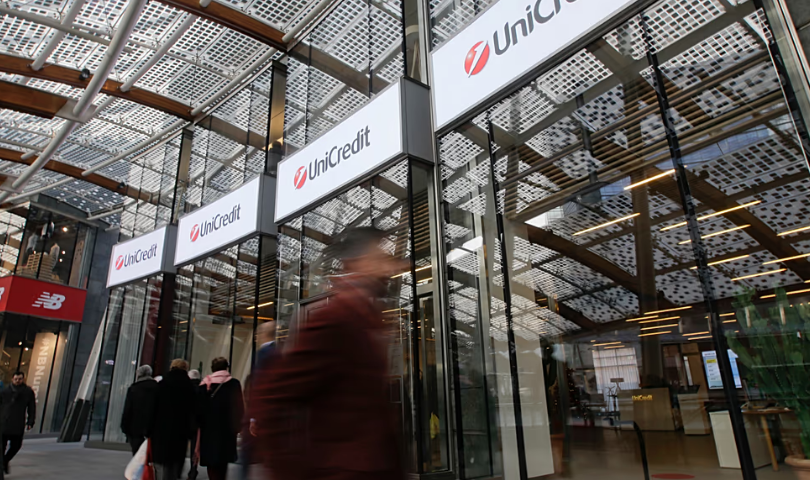
UniCredit shareholders are poised for a significant windfall as the Italian banking giant projects annual profits to exceed €10 billion in 2025, following another strong quarterly performance that reinforces its standing among Europe’s top financial institutions.
In the third quarter, UniCredit reported a net profit of €2.6 billion, marking a 4.7 per cent increase from a year earlier and surpassing company estimates of €2.4 billion. Net revenues grew by 1.2 per cent year-on-year, while costs declined slightly by 0.1 per cent — a combination that helped the bank sustain its momentum in a challenging European banking environment.
“UniCredit delivered yet another set of record results,” said CEO Andrea Orcel in a statement. “These results reflect disciplined execution, and I am confident that we will continue to build sustainable value for all stakeholders.”
Over the first nine months of 2025, UniCredit’s net profit climbed by 12.9 per cent to €8.7 billion. The bank reaffirmed its full-year guidance of €10.5 billion in net profit and plans to distribute at least €9.5 billion to shareholders through dividends and share buybacks.
The performance is particularly noteworthy given the subdued growth across Europe’s banking sector, where lenders have been grappling with tighter regulations, weaker loan demand, and narrowing margins. UniCredit’s cost-to-income ratio stood at a standout 37 per cent in the quarter — a level that underscores its operational efficiency and tight cost management.
Analysts say the bank’s consistent profitability highlights resilience not often seen among its peers. The reaffirmation of its 2025 targets and commitment to generous shareholder returns suggest a strong capital position and confident management outlook despite persistent macroeconomic headwinds.
Looking ahead, sustaining that performance will depend on how UniCredit navigates potential challenges, including a slowdown in net interest income, which fell 5.4 per cent year-on-year in the quarter. Broader economic weakness in Italy, Germany, and Central and Eastern Europe — key markets for the lender — could also weigh on results.
UniCredit has set ambitious medium-term goals, maintaining a net profit target of over €11 billion by 2027. However, achieving those milestones will require continued discipline, particularly as the bank pursues strategic initiatives such as adjustments to life insurance operations in Italy and its push for a takeover of Germany’s Commerzbank.
The latter effort, supported by UniCredit’s 26 per cent stake in Commerzbank, faces resistance from the German government. Still, Orcel’s expansion strategy underscores his determination to position UniCredit as a dominant player across Europe’s financial landscape.
With profits surging and shareholder returns firmly on track, UniCredit’s latest results mark a new high point in its post-restructuring transformation — and signal growing confidence in its long-term growth story.











Genetic Differences May Shape Effectiveness of Popular Weight-Loss Drugs, Study Finds

Seven-Day Meditation Retreat Linked to Measurable Changes in Brain and Body, Study Finds

Fuel Prices Surge Across Europe as Middle East Crisis Pushes Oil Above $100

Oil Prices Surge as Strait of Hormuz Closure Shakes Markets

Britain and Norway Step Up Naval Patrols to Protect Undersea Infrastructure from Russia

Meta Launches Muse Spark, Its First Major AI Model in Nine Months

Fresh Attacks Reported Across Gulf Despite US-Iran Ceasefire Announcement

Sweden Accuses Iran of Using Criminal Gangs to Target Dissidents as Teenagers Face Trial

US-Iran Ceasefire Eases Tensions as Europe Reacts; US Politics Spill Into Hungary Vote

ENI and Egypt Announce Major Gas Discovery Amid Rising Energy Costs

Meta Acquires Tilda Swinton VR Doc ‘Impulse: Playing With Reality’

Saudi Arabia’s Model for Sustainable Aviation Practices

Recent Developments in Small Business Taxes

Effective Drain Cleaning: A Key to a Healthy Plumbing System

Who was Ebrahim Raisi and his status in Iranian Politics?

China’s Historic Olympic Victory Sparks National Pride Amid Controversy

Carrectly: Revolutionizing Car Care in Chicago

Keely Hodgkinson Wins Britain’s First Athletics Gold at Paris Olympics in 800m

Saudi Arabia: Foreign Direct Investment Rises by 5.6% in Q1

Chinese Hackers Infiltrate Major U.S. Telecom Firms in Possible National Security Breach

Sony WF-10XM4: Headphones Are Our Absolute Favorite

10 Places You Can’t Miss If It’s Your First Time in European

New Census Data Will Shake Up Alabama Politics

16 Top of Our Favorite Outdoor Clothing Brands

Fashionable Summer Accessories to Dress Up Your Travel Look

How Sleeping Less than 7 Hours a Night Can Lead to Weight Gain
-
 Entertainment2 years ago
Meta Acquires Tilda Swinton VR Doc ‘Impulse: Playing With Reality’
-
 Business2 years ago
Saudi Arabia’s Model for Sustainable Aviation Practices
-
 Business2 years ago
Recent Developments in Small Business Taxes
-
 Home Improvement1 year ago
Effective Drain Cleaning: A Key to a Healthy Plumbing System
-
 Politics2 years ago
Who was Ebrahim Raisi and his status in Iranian Politics?
-
 Sports2 years ago
China’s Historic Olympic Victory Sparks National Pride Amid Controversy
-
 Business2 years ago
Carrectly: Revolutionizing Car Care in Chicago
-
 Sports2 years ago
Keely Hodgkinson Wins Britain’s First Athletics Gold at Paris Olympics in 800m