
Business
Prolonged Iran Conflict Could Weaken Euro and Trigger Recession, Economists Warn

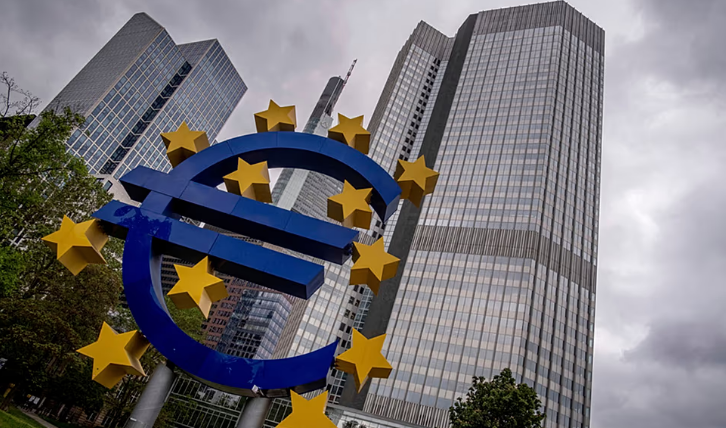
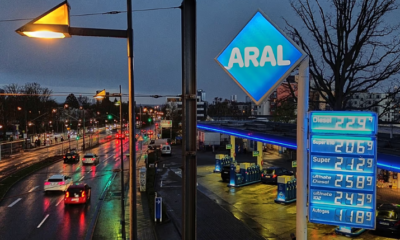
Economists are warning that the ongoing war in Iran could have severe consequences for the euro and the European economy if the conflict continues beyond the “four weeks” projected by former US President Donald Trump. The hostilities, which began at the end of February, have already triggered an energy price shock, affecting oil, petrol, diesel, and gas. Rising energy costs are hitting consumers and energy-intensive industries such as chemicals and steel, putting additional pressure on the German economy, which was already facing modest growth forecasts.
The euro, currently trading around $1.16, is under particular pressure. Economist Daniel Stelter warned that an extended conflict would further weaken a euro already affected by low growth, high debt, and political uncertainty. “Capital would flow into dollar investments considered safe,” he said. Carsten Brzeski, chief economist at ING Bank, added that if the conflict disrupts oil supplies through the Strait of Hormuz for several weeks, oil prices could exceed $100 per barrel, pushing the euro down to $1.10–$1.12 per dollar. This would represent a 5–8 percent drop, the lowest levels since the 2022–23 energy crisis triggered by the Ukraine war.
Such a decline would make holidays in the US more expensive for Europeans and increase the cost of imports such as oil, electronics, and raw materials. Stelter warned of even more severe scenarios, suggesting that the euro could temporarily fall below parity with the dollar, reaching $0.90–$0.95, if the war leads to prolonged regional instability.
Germany could face particularly serious economic consequences. Stelter said higher energy prices act like an additional tax, reducing consumption and investment. In a prolonged blockade scenario, Germany could fall into a deep recession, with the wider eurozone at risk of at least a technical recession. Extended disruptions would also strain bond markets and interest rates, potentially forcing the European Central Bank (ECB) to intervene more aggressively to prevent a debt crisis.
The war’s impact on global energy supplies could trigger an “energy black swan,” causing sudden shortages and price spikes that ripple through the global economy. German exports could collapse despite a weaker euro if higher energy prices reduce demand in major markets such as China, India, and the US.
The ECB faces a complex challenge: if the conflict is short-lived, it could lower interest rates to support growth. If the war drags on, inflationary pressures from energy prices would limit the bank’s ability to cut rates, leaving the euro under pressure and economic momentum stalled. Stelter said this scenario could lead to stagflation, with rising inflation and falling growth simultaneously.
A rapid end to hostilities within four to five weeks and minimal damage to critical energy infrastructure in Saudi Arabia and Qatar could help stabilize the euro. However, resistance from Iran’s leadership raises the risk of a prolonged conflict with serious economic implications for Europe.
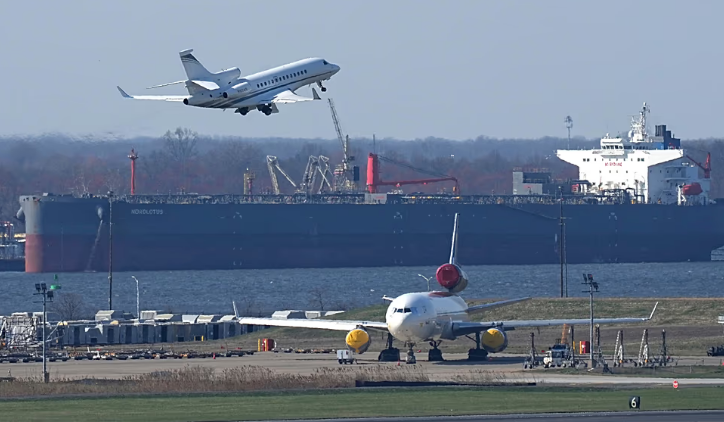
Jet fuel prices have more than doubled in recent weeks amid the ongoing Iran war. Airlines have responded with fare increases and temporary surcharges, so should you secure tickets now or wait? Tourists planning summer holidays face a difficult decision as the disruptions to global oil supplies, caused by the conflict in the Middle East, have spiked jet fuel prices leading to increases in flight costs that are passed on to passengers.
According to the International Air Transport Association’s (IATA) latest monitor, the global average jet fuel price reached $195.19 per barrel last week, down slightly from the previous week but still more than twice the levels seen in late February. In the United States, the Argus US Jet Fuel Index recorded over $4.60 per gallon on Monday, rising sharply from around $2.50 before the conflict began. Analysts warn that even if tensions ease, the effects on fuel prices and airfares are likely to linger.
Airlines are taking swift action to manage costs. United Airlines announced a 5% reduction in planned flights, while Scandinavian carrier SAS is cancelling at least 1,000 flights this month. Air New Zealand has trimmed capacity by 5% and cancelled around 1,100 services until early May. Asian carriers such as Cathay Pacific and Thai Airways have increased fares, with Thai Airways signalling hikes of 10% to 15%. Low-cost airlines including AirAsia and Qantas have introduced temporary surcharges. Carriers with fuel hedging programmes, such as Lufthansa and Ryanair, have been able to shield some of their costs.
The rise in fuel prices, which accounts for 25-35% of airline operating expenses, is affecting both long-haul and short-haul travel. Routes avoiding the Middle East have seen increased traffic, adding operational costs and prompting selective fare adjustments. Anita Mendiratta, special adviser to the UN Secretary General on Tourism, highlighted the logistical challenges in the UK. She said that while crude oil supplies remain stable, refined jet fuel and delivery to airports are the pressing issues. “Jet fuel cannot be stored in large quantities at airports, and even short disruptions can quickly create operational challenges, particularly at major hubs,” she explained.
Airlines are prioritising routes that generate the most revenue, often protecting long-haul and business travel while reducing frequency on lower-yield leisure and short-haul flights. Travel agencies report that customers are increasingly booking flexible or closer destinations to manage risk. Booking.com advised travellers to set up price alerts to monitor fluctuations as summer approaches.
European authorities are also urging citizens to consider reducing travel to curb energy demand. EU energy chief Dan Jørgensen recommended voluntary measures to conserve fuel for essential use.
With summer travel demand still strong but behaviour shifting, experts say travellers must weigh the risks of locking in fares now against potential further price hikes or capacity cuts. Flexible bookings and early monitoring may provide some protection in what remains an unpredictable market.

Jet Fuel Prices Surge Amid Iran War, Airlines Hike Fares and Cut Flights

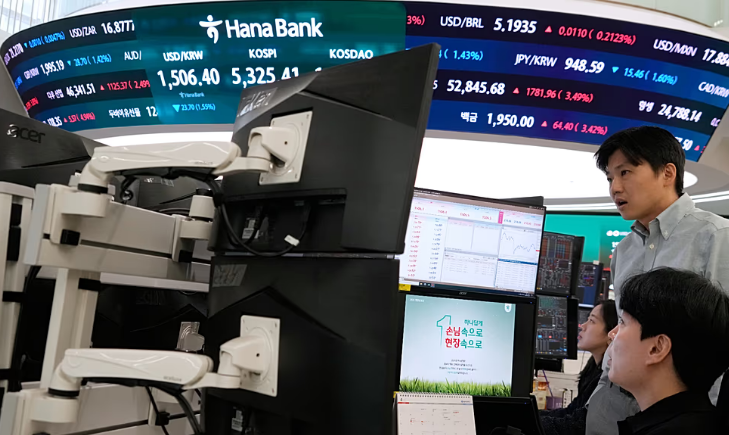
Global Markets Rally on Hopes of Iran War De-escalation After Trump Comments

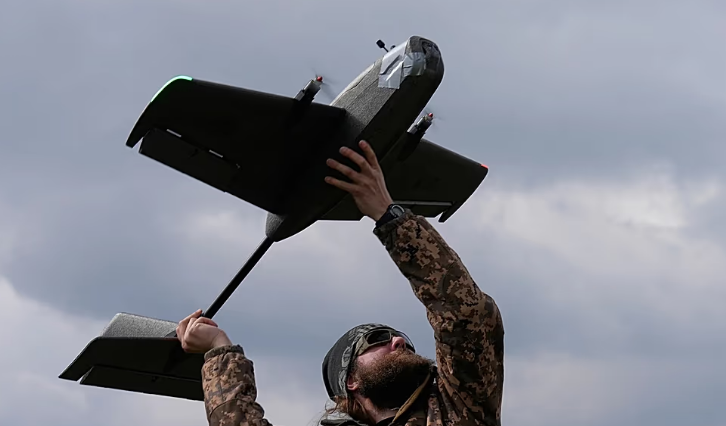
Europe Urged to Rethink Air Defence Strategy as Drone Warfare Shifts Cost Balance

At Least Five Explosions Hit Dubai in Iranian Missile and Drone Strike

Eurozone Inflation Surges on Energy Shock, ECB Faces Tough Decisions

E-Cigarettes Found More Effective Than Patches and Gum for Quitting Smoking, Study Shows

Economic Anxiety Rises as Iran Conflict Impacts Mental Health, Experts Say

Working From Home Linked to Higher Birth Rates, Study Finds Across 38 Countries

Oil Surge and War Fears Weigh on Global Markets as Investors Brace for Prolonged Conflict

TotalEnergies Expands Oil Trading Amid Middle East Supply Disruptions

Meta Acquires Tilda Swinton VR Doc ‘Impulse: Playing With Reality’

Saudi Arabia’s Model for Sustainable Aviation Practices

Recent Developments in Small Business Taxes

Effective Drain Cleaning: A Key to a Healthy Plumbing System

Who was Ebrahim Raisi and his status in Iranian Politics?

Carrectly: Revolutionizing Car Care in Chicago

Keely Hodgkinson Wins Britain’s First Athletics Gold at Paris Olympics in 800m

Saudi Arabia: Foreign Direct Investment Rises by 5.6% in Q1

Chinese Hackers Infiltrate Major U.S. Telecom Firms in Possible National Security Breach

Nobel Laureate Muhammad Yunus Proposed as Head of Bangladesh’s Interim Government Following Hasina’s Resignation

Sony WF-10XM4: Headphones Are Our Absolute Favorite

10 Places You Can’t Miss If It’s Your First Time in European

New Census Data Will Shake Up Alabama Politics

16 Top of Our Favorite Outdoor Clothing Brands

Fashionable Summer Accessories to Dress Up Your Travel Look

How Sleeping Less than 7 Hours a Night Can Lead to Weight Gain
-
 Entertainment2 years ago
Meta Acquires Tilda Swinton VR Doc ‘Impulse: Playing With Reality’
-
 Business2 years ago
Saudi Arabia’s Model for Sustainable Aviation Practices
-
 Business2 years ago
Recent Developments in Small Business Taxes
-
 Home Improvement1 year ago
Effective Drain Cleaning: A Key to a Healthy Plumbing System
-
 Politics2 years ago
Who was Ebrahim Raisi and his status in Iranian Politics?
-
 Business2 years ago
Carrectly: Revolutionizing Car Care in Chicago
-
 Sports2 years ago
Keely Hodgkinson Wins Britain’s First Athletics Gold at Paris Olympics in 800m
-
 Business2 years ago
Saudi Arabia: Foreign Direct Investment Rises by 5.6% in Q1