
Business
Experts Warn of Potentially Harsh Flu Season in Europe Amid Low Vaccination Rates


As Europe approaches the start of flu season, health experts are warning that this year’s outbreak could be particularly severe due to low vaccination rates and early signs of strong influenza activity in other parts of the world.
The European Centre for Disease Prevention and Control (ECDC) reported that while flu-like illnesses remain relatively low across most countries, cases are beginning to rise — a trend typical for this time of year. Europe’s flu season usually runs from mid-November to late May, though experts note that traditional seasonal patterns have shifted since the COVID-19 pandemic.
“Last year’s flu season was unusually large,” said Professor Colin Russell of Amsterdam University Medical Center and chair of the European Scientific Working Group on Influenza (ESWI). “We’re now in a wait-and-see mode to determine how this one develops.”
ECDC data shows that 11 countries have already reported sporadic flu activity, while health authorities in the United Kingdom have observed rising cases, particularly among children. According to Dr. Anna Odone, Director of the School of Public Health at the University of Pavia in Italy, the severity of this year’s flu season will depend on several key factors — the vulnerability of the population, the dominant strain of the virus, and environmental conditions. “If it’s a long, cold winter, people will spend more time indoors, which helps the virus spread,” she said.
Globally, influenza trends are being closely monitored for early warnings. Japan recently declared an influenza epidemic five weeks earlier than usual, while Australia and New Zealand have seen a surge in the H3N2 strain of influenza A. These developments could foreshadow Europe’s upcoming flu landscape, though experts caution that it is still too early to identify which strains will dominate across the continent.
Influenza remains a significant public health concern, contributing to around 27,600 deaths annually across the EU and infecting up to one in five Europeans each winter. While the illness often causes mild symptoms in healthy individuals, it can be dangerous for older adults, young children, and those with chronic conditions.
Vaccination remains the most effective way to prevent serious illness, yet flu vaccination rates across Europe have fallen short of the EU’s 75% target. Most countries reported coverage well below 50% last season, with Denmark, Ireland, Portugal, and Sweden among the few nearing the goal.
The ECDC has urged local authorities to “strengthen public trust, improve access, and ensure that parents and caregivers are well-informed” about the importance of timely vaccination. Health officials recommend that high-risk groups — including the elderly, pregnant women, young children, and healthcare workers — receive their flu shots as soon as possible.
“The easy answer is, if you’re not vaccinated yet, go get vaccinated now,” Russell said. “It takes about two weeks for your body to build protection, and flu season is already on its way.”













Genetic Differences May Shape Effectiveness of Popular Weight-Loss Drugs, Study Finds

Seven-Day Meditation Retreat Linked to Measurable Changes in Brain and Body, Study Finds

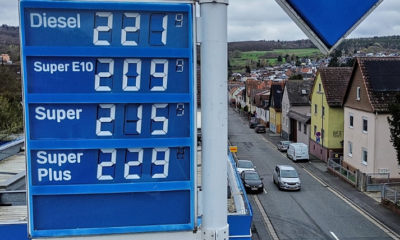
Fuel Prices Surge Across Europe as Middle East Crisis Pushes Oil Above $100

Oil Prices Surge as Strait of Hormuz Closure Shakes Markets

Britain and Norway Step Up Naval Patrols to Protect Undersea Infrastructure from Russia

Meta Launches Muse Spark, Its First Major AI Model in Nine Months

Fresh Attacks Reported Across Gulf Despite US-Iran Ceasefire Announcement

Sweden Accuses Iran of Using Criminal Gangs to Target Dissidents as Teenagers Face Trial

US-Iran Ceasefire Eases Tensions as Europe Reacts; US Politics Spill Into Hungary Vote

ENI and Egypt Announce Major Gas Discovery Amid Rising Energy Costs

Meta Acquires Tilda Swinton VR Doc ‘Impulse: Playing With Reality’

Saudi Arabia’s Model for Sustainable Aviation Practices

Recent Developments in Small Business Taxes

Effective Drain Cleaning: A Key to a Healthy Plumbing System

Who was Ebrahim Raisi and his status in Iranian Politics?

China’s Historic Olympic Victory Sparks National Pride Amid Controversy

Carrectly: Revolutionizing Car Care in Chicago

Keely Hodgkinson Wins Britain’s First Athletics Gold at Paris Olympics in 800m

Saudi Arabia: Foreign Direct Investment Rises by 5.6% in Q1

Chinese Hackers Infiltrate Major U.S. Telecom Firms in Possible National Security Breach

Sony WF-10XM4: Headphones Are Our Absolute Favorite

10 Places You Can’t Miss If It’s Your First Time in European

New Census Data Will Shake Up Alabama Politics

16 Top of Our Favorite Outdoor Clothing Brands

Fashionable Summer Accessories to Dress Up Your Travel Look

How Sleeping Less than 7 Hours a Night Can Lead to Weight Gain
-
 Entertainment2 years ago
Meta Acquires Tilda Swinton VR Doc ‘Impulse: Playing With Reality’
-
 Business2 years ago
Saudi Arabia’s Model for Sustainable Aviation Practices
-
 Business2 years ago
Recent Developments in Small Business Taxes
-
 Home Improvement1 year ago
Effective Drain Cleaning: A Key to a Healthy Plumbing System
-
 Politics2 years ago
Who was Ebrahim Raisi and his status in Iranian Politics?
-
 Sports2 years ago
China’s Historic Olympic Victory Sparks National Pride Amid Controversy
-
 Business2 years ago
Carrectly: Revolutionizing Car Care in Chicago
-
 Sports2 years ago
Keely Hodgkinson Wins Britain’s First Athletics Gold at Paris Olympics in 800m