
Travel
Exploring the Great Lakes: A Road Trip from NYC to Chicago


A road trip from New York City to Chicago along the Great Lakes is an unforgettable adventure that combines scenic beauty, rich history, and vibrant urban experiences. As you journey from the East Coast to the Midwest, you’ll pass through charming small towns, visit cultural cities, and marvel at some of the country’s most stunning natural wonders.
From the breathtaking sight of Niagara Falls to the lakeside charm of Cleveland and the dynamic energy of Chicago, each stop offers a unique slice of American life. This route not only provides the freedom to explore at your own pace, but also delivers a perfect balance of outdoor adventure and city exploration, making it an ideal road trip for travelers seeking variety and excitement.
First Stop: Buffalo and Niagara Falls
Buffalo, just a few hours’ drive from New York City, is your first stop on the road to Chicago. Once known as a major industrial hub, Buffalo has undergone an impressive revitalization, becoming a vibrant city with a flourishing arts scene, delicious food, and stunning waterfront views along Lake Erie. The city’s architecture is a sight to behold, with beautiful art deco buildings and Frank Lloyd Wright’s masterpieces like the Darwin D. Martin House. Buffalo’s growing food scene is not to be missed—make sure to try its famous Buffalo wings at one of the many local eateries, or explore the diverse range of culinary options downtown.
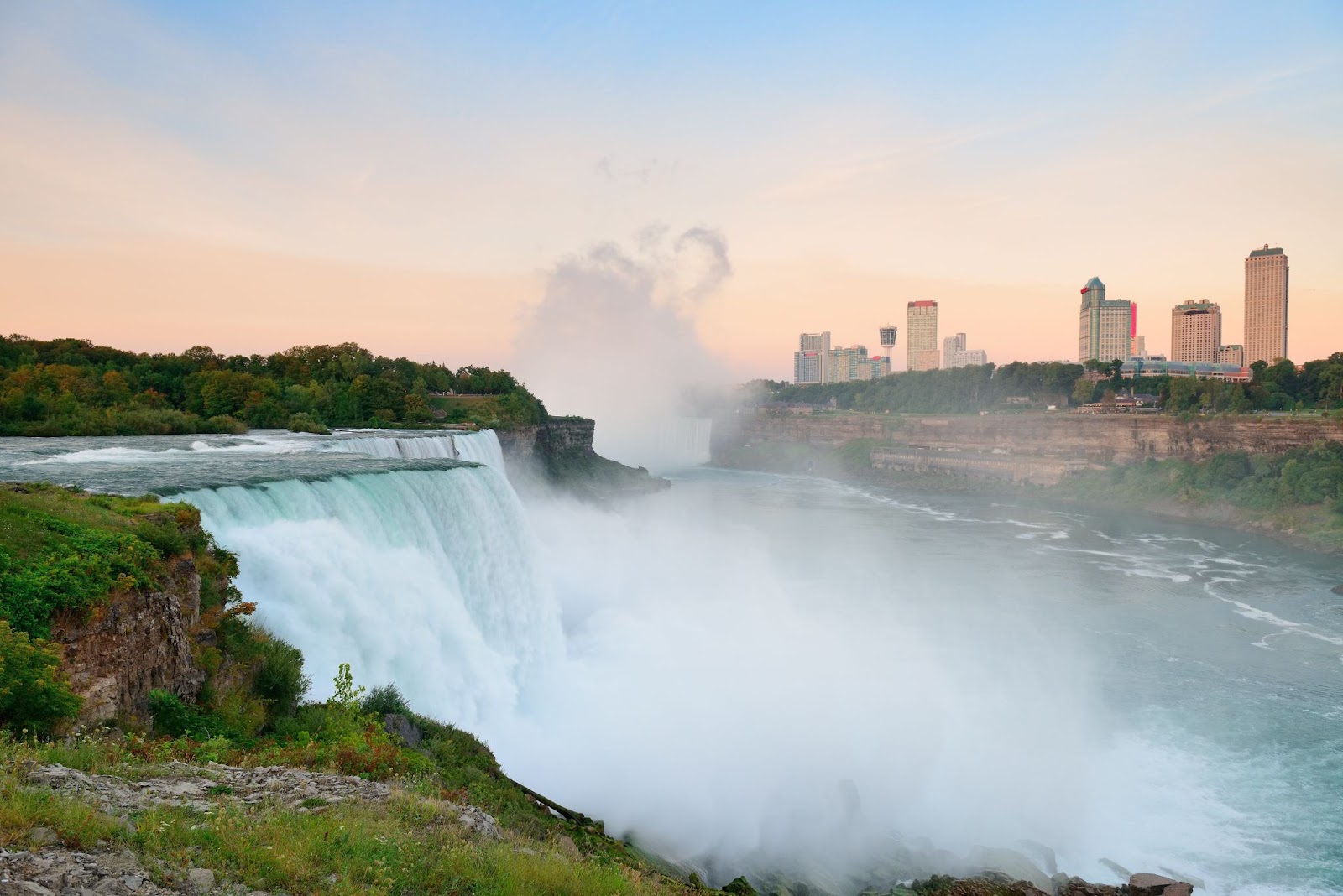
Just a short drive from Buffalo, Niagara Falls awaits as one of the most iconic natural wonders in North America. The thundering waterfalls, located on the border of the United States and Canada, are a must-see stop on your road trip. You can explore the falls from the U.S. side by walking along Niagara Falls State Park, taking the Maid of the Mist boat tour to get up close to the base of the falls, or venturing into the Cave of the Winds for a thrilling walk beneath the cascades. For a different perspective, cross the border into Canada (don’t forget your passport!) for panoramic views of the falls and additional attractions like Journey Behind the Falls, where you can explore tunnels carved into the rock for an up-close look at the roaring water.
With its blend of city charm and natural splendor, Buffalo and Niagara Falls make for the perfect first stop on your Great Lakes road trip, setting the stage for more unforgettable adventures ahead.
Next Stop: Cleveland, Ohio
After leaving the iconic sights of Niagara Falls behind, your road trip continues to Cleveland, Ohio—a city rich in history and culture, nestled on the shores of Lake Erie. Cleveland, once an industrial powerhouse, has transformed itself into a vibrant destination that mixes old-world charm with modern attractions, making it an essential stop on your Great Lakes journey.
One of Cleveland’s key attractions is the Rock & Roll Hall of Fame, a must-visit for music lovers. Located right on Lake Erie’s waterfront, this iconic museum tells the story of rock music’s greatest legends through interactive exhibits, memorabilia, and rare artifacts. Whether you’re a fan of classic rock, punk, or modern-day hits, the Rock & Roll Hall of Fame offers an exciting deep dive into the history of this genre.
After soaking up some music history, take time to enjoy Cleveland’s beautiful waterfront. The Lake Erie shoreline offers scenic walks, peaceful parks, and stunning sunsets over the water. The nearby Cleveland Metroparks system features miles of hiking and biking trails, making it the perfect place to stretch your legs and enjoy the fresh air after a long drive.
Cleveland is also home to the famous West Side Market, one of the city’s oldest public markets, filled with local vendors offering everything from fresh produce to artisanal goods. It’s a great spot to grab a bite or pick up unique snacks for your road trip. From freshly baked bread to international delicacies, you’ll find something for every taste.
For art and history enthusiasts, Cleveland’s University Circle area is a cultural treasure trove. This neighborhood houses the Cleveland Museum of Art, which features a world-class collection of art spanning centuries and continents, and the Museum of Natural History, perfect for family-friendly fun. Spend a few hours exploring these renowned institutions before heading back on the road.
With its mix of lakeside beauty, rich history, and cultural attractions, Cleveland is a destination that adds depth and excitement to your Great Lakes road trip.
Stop in Toledo or Detroit, Michigan
As your road trip progresses westward, you have two exciting options for your next stop: Toledo or Detroit, each offering a distinct flavor of the Midwest. Whether you’re seeking small-town charm or a city brimming with industrial history and cultural revival, both destinations have something unique to offer road trippers.
Toledo, Ohio. If you’re in the mood for a more laid-back, small-town vibe, Toledo is a perfect choice. Situated along the Maumee River, Toledo offers a rich blend of history, culture, and nature. Its blossoming art scene is centered around the Toledo Museum of Art, which is renowned for its impressive glass collection and beautifully curated exhibits that span from classic to contemporary art. The Glass Pavilion, part of the museum, showcases glass-blowing demonstrations and houses one of the finest glass collections in the world.
Stroll through Toledo’s charming streets, visit the Toledo Botanical Garden, or take a break by the waterfront at International Park. For a quieter, artsy stopover on your road trip, Toledo delivers the perfect mix of culture and relaxation.
Detroit, Michigan. If you’re drawn to a vibrant city with a rich industrial history and a dynamic downtown, Detroit is a must-see. Known as the “Motor City,” Detroit has undergone a cultural rebirth in recent years, making it one of the most exciting urban destinations in the Midwest. A visit to Detroit offers an opportunity to explore its storied past while enjoying the city’s creative energy.
Start by diving into the heart of Detroit’s culture with a visit to the Detroit Institute of Arts, home to an extensive art collection, including Diego Rivera’s famous “Detroit Industry Murals,” a stunning tribute to the city’s industrial roots. Detroit’s museum district is packed with culture, so be sure to also check out the Charles H. Wright Museum of African American History for an insightful journey through African American culture and history.
For those fascinated by America’s automotive heritage, a visit to the Henry Ford Museum in nearby Dearborn is essential. This sprawling complex showcases the history of American innovation, with exhibits ranging from early cars and planes to the bus that Rosa Parks made famous. It’s an eye-opening experience for anyone interested in the impact of industry on American society.
Beyond the museums, Detroit’s downtown offers a lively scene with a mix of trendy restaurants, bars, and revitalized public spaces like Campus Martius Park. Don’t miss the chance to see the Detroit Riverwalk, a scenic waterfront promenade perfect for taking in the city skyline and the Detroit River.
Whether you choose the peaceful, art-filled streets of Toledo or the bustling, culture-packed vibe of Detroit, each city adds a distinct layer to your Great Lakes road trip. Both destinations offer a chance to experience the spirit of the Midwest, whether through its art, history, or modern-day revival.

Final Destination: Chicago, Illinois
As your Great Lakes road trip draws to a close, you’ll arrive at your final destination: Chicago, one of the most dynamic and iconic cities in the United States. Known for its stunning skyline, rich cultural history, and vibrant neighborhoods, Chicago offers the perfect blend of urban excitement and lakeside beauty, making it a fitting conclusion to your adventure.
One of the first must-see attractions in Chicago is Millennium Park, located in the heart of downtown. This sprawling public park is home to the famous Cloud Gate sculpture (affectionately called “The Bean”), as well as beautiful gardens, public art installations, and outdoor concert venues. It’s a perfect spot to take a stroll, relax by the fountains, or snap some photos of the city’s architectural wonders.
Next, head over to the Art Institute of Chicago, one of the premier art museums in the world. Housing an impressive collection that spans centuries and genres, the museum is particularly famous for its works by Monet, Van Gogh, and American masterpieces such as Grant Wood’s American Gothic. Art lovers could easily spend hours wandering through the museum’s vast galleries.
For a more lively experience, head to Navy Pier, Chicago’s beloved lakefront destination. Here, you’ll find attractions like the Centennial Wheel, a giant Ferris wheel offering stunning views of the city and Lake Michigan. Navy Pier also features shops, restaurants, theaters, and boat tours, making it a great place to spend the day or catch a sunset cruise along the lake.
Of course, no visit to Chicago would be complete without indulging in the city’s world-famous food. Chicago’s culinary scene is legendary, and you’ll want to try the classic deep-dish pizza from spots like Lou Malnati’s or Giordano’s. Thick, cheesy, and loaded with toppings, Chicago-style pizza is unlike any other. Don’t forget to sample a Chicago-style hot dog, topped with mustard, relish, onions, tomato, pickles, and sport peppers—just don’t ask for ketchup!
In addition to its food, Chicago is renowned for its architecture. Take a riverboat tour to get a unique perspective on the city’s towering skyscrapers, including the Willis Tower (formerly Sears Tower), and learn about the architectural innovations that helped shape the city’s skyline. Chicago’s blend of historic and modern buildings is a testament to its resilience and creativity, making it a paradise for architecture buffs.
As you conclude your journey, Chicago offers a mix of history, culture, and entertainment that leaves a lasting impression. Whether you’re marveling at the city’s stunning architecture, exploring its world-class museums, or indulging in its legendary food scene, Chicago stands as a grand finale to your unforgettable road trip along the Great Lakes.
Why Renting a Car Is Ideal for This Trip
A road trip from New York City to Chicago, especially one that traces the stunning Great Lakes, is the type of adventure that thrives on flexibility. Renting a car for this journey allows you to fully embrace the spontaneity that makes road trips so special. Without being tied to strict schedules, travelers can take scenic routes, make spontaneous detours, and explore hidden gems along the way. Whether it’s stopping at a charming small town, taking in the views from an off-the-beaten-path lookout, or extending your stay in a place that captures your heart, renting a car gives you the freedom to control your pace and itinerary.
A road trip like this one offers the kind of flexibility that only comes with having your own car. Renting a vehicle allows you to stop whenever you want, take scenic detours, and explore iconic landmarks like Niagara Falls or the cultural richness of Cleveland without the limitations of public transportation or guided tours. With a rental car, the journey becomes just as enjoyable as the destination.
Renting a Car with Drivo for Short-Term Travel
For a smooth, hassle-free experience, Drivo is an excellent car rental option for this type of trip. Whether you’re planning a weekend getaway or a longer cross-state road trip, Drivo offers flexibility and convenience to make your journey comfortable and enjoyable. Here are some of the benefits of renting with Drivo:
- Affordable Rates. Renting a car for a few days or even a week with Drivo is budget-friendly, making it a cost-effective choice for road trips. You get the flexibility of a personal vehicle without the long-term costs associated with car ownership.
- Variety of Vehicles. Drivo provides a wide range of vehicles to suit every traveler’s needs. Whether you want a compact car for fuel efficiency and city driving or a spacious SUV for extra luggage and comfort, Drivo has the perfect vehicle for your road trip.
- Convenient Pickup Locations. With multiple rental locations across New York City, Drivo makes it incredibly easy to pick up your car and start your adventure right away. No need to spend extra time navigating complex rental processes—you can hit the road as soon as you’re ready.
- No Long-Term Commitments. Renting a car with Drivo means you avoid the stress of car ownership. There’s no need to worry about maintenance, parking, insurance, or other long-term responsibilities. You simply enjoy your trip, return the car, and move on to your next adventure.
By choosing Drivo, you can focus on making the most of your road trip, enjoying the freedom and convenience that only comes with having your own vehicle. It’s the perfect solution for anyone looking to explore the Great Lakes and beyond, without the hassle of owning a car.
Embark on Your Great Lakes Adventure by Car
From the breathtaking beauty of Niagara Falls to the cultural richness of Cleveland, and the vibrant city life of Chicago, this road trip is packed with unforgettable experiences.
Along the way, you’ll discover charming small towns, scenic routes along the Great Lakes, and explore fascinating cities with unique histories. Whether you’re marveling at natural wonders, visiting iconic museums, or sampling local cuisines, every stop adds something special to your adventure.
Now is the perfect time to plan your own Great Lakes road trip. Renting a car gives you the freedom and flexibility to explore at your own pace, make spontaneous stops, and create a journey tailored to your interests. With Drivo, renting a car is easy, affordable, and hassle-free, making sure your adventure goes smoothly from start to finish. So, hit the road and start exploring the incredible sights that the Great Lakes have to offer!





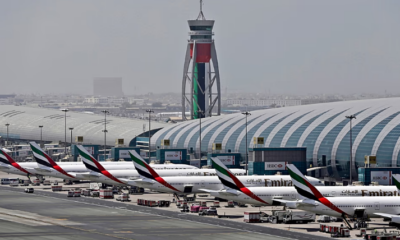

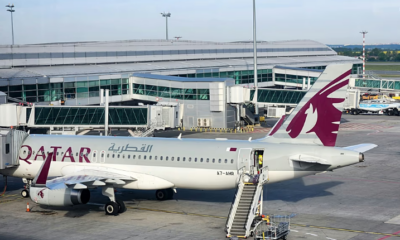


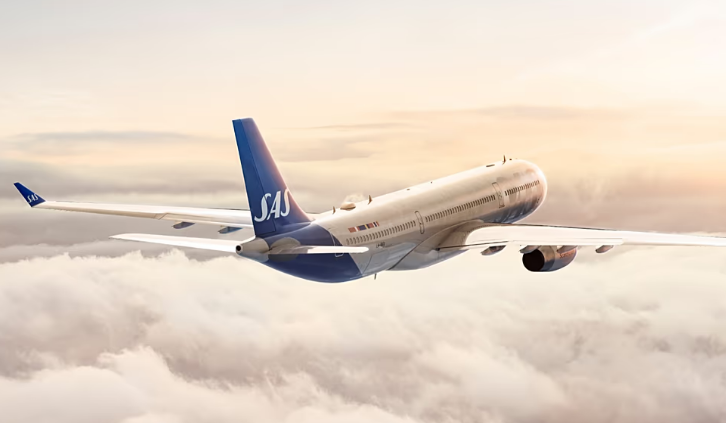
Scandinavian airline SAS has announced plans to cancel at least 1,000 flights in April as soaring fuel prices linked to the Middle East conflict continue to strain the aviation sector. The carrier said further cancellations are likely after the Easter period, when travel demand typically declines.
Chief executive Anko van der Werff said the rapid rise in jet fuel costs has created significant pressure on operations. Speaking to Swedish business daily Dagens Industri, he noted that fuel prices had doubled within ten days, describing the increase as a major shock for airlines already managing tight margins.
The airline said it had already begun scaling back services in March, with several hundred flights cancelled while attempting to minimise disruption to passengers. Most of these cancellations affected domestic routes in Norway, with only limited impact on services in Sweden and Denmark.
SAS operates roughly 800 flights per day, and the company stressed that the planned reductions represent a relatively small share of its total operations. Even so, executives said the measures are necessary to manage rising costs and maintain financial stability in an increasingly uncertain environment.
The surge in fuel prices follows a sharp increase in global oil markets. Brent crude oil has climbed to around $100 per barrel after tensions escalated following military action involving Iran. The situation has disrupted key supply routes, including the Strait of Hormuz, through which a significant share of global oil supplies normally passes.
SAS said it had already introduced fare increases to offset the rising cost of jet fuel, joining other international carriers taking similar steps. Airlines including Air France-KLM, Cathay Pacific, Air India and Qantas have also raised ticket prices in response to higher operating costs.
In addition to pricing adjustments, many airlines have reduced or suspended services to parts of the Middle East due to security concerns, while rerouting flights to avoid affected airspace. These changes have increased travel times and operational expenses, adding further pressure on ticket prices.
Industry analysts say passengers may continue to face higher fares in the coming months, even if tensions ease. Increased demand for alternative routes that bypass the Middle East is also contributing to rising costs.
SAS said it is taking steps to strengthen its resilience, including short-term schedule adjustments, as it navigates the ongoing volatility in global energy markets and the broader impact of geopolitical tensions on the aviation industry.

Many of the world’s most famous cities grew gradually over centuries, with layers of history shaping their streets and architecture. Ancient structures often stand alongside modern skyscrapers, creating striking contrasts. Yet these historic layouts can sometimes struggle to meet the needs of modern urban life.
For that reason, several countries have chosen to build cities from scratch, carefully designing them to serve as political and administrative centres. These purpose-built capitals allow planners to create organized layouts with space for housing, transport, public services and government institutions.
One of the most famous examples is Brasília. The city officially became the capital of Brazil in 1960 after the government decided to move the seat of power away from coastal Rio de Janeiro. Built in the country’s interior, Brasília was designed with a distinctive modernist layout and has become an architectural landmark. Notable sites include the Metropolitan Cathedral and the National Congress complex. In 1987 the city received recognition as a UNESCO World Heritage Site for its role in modern urban planning.
Another planned capital is Canberra. Located between the rival cities of Sydney and Melbourne, Canberra was chosen in the early 20th century as a compromise between the two. Construction began in 1912 following a design competition. Today the city has a population of about half a million and is known for its national museums, art galleries and cultural institutions.
In the Pacific, Wellington developed as the political centre of New Zealand after the capital moved from Auckland in the 19th century. While the city was not built entirely from scratch, its modern layout was planned using grid patterns designed in 1840 by surveyor William Mein Smith. Wellington is widely regarded as the country’s cultural hub and hosts major institutions such as the New Zealand Symphony Orchestra and the Royal New Zealand Ballet.
South Asia also features a purpose-built capital in Islamabad. The city was constructed during the 1960s and officially became the capital of Pakistan in 1967, replacing Karachi. Its location near Rawalpindi was chosen partly because of its proximity to military headquarters. Islamabad today has more than one million residents and includes landmarks such as Faisal Mosque and the Pakistan Monument.
Another modern capital is Naypyidaw, where construction began in 2002 before it replaced Yangon as the administrative centre in 2005. Despite its vast roads and large government complexes, the city has a relatively small population, giving it a reputation for unusually quiet streets.
In Central America, Belmopan became the capital after a hurricane devastated Belize City in 1961. The new inland capital was officially established in 1970 and now serves as the country’s administrative centre.
The newest planned capital is Ciudad de la Paz. Located in mainland Equatorial Guinea, the city was declared the country’s capital in January this year. Designed to house about 200,000 residents, it remains sparsely populated and is often described as unusually quiet compared with older capital cities.
Together, these cities illustrate how governments have attempted to reshape urban development by creating capitals designed specifically for modern governance and future growth.

Genetic Differences May Shape Effectiveness of Popular Weight-Loss Drugs, Study Finds

Seven-Day Meditation Retreat Linked to Measurable Changes in Brain and Body, Study Finds

Fuel Prices Surge Across Europe as Middle East Crisis Pushes Oil Above $100

Oil Prices Surge as Strait of Hormuz Closure Shakes Markets

Britain and Norway Step Up Naval Patrols to Protect Undersea Infrastructure from Russia

Meta Launches Muse Spark, Its First Major AI Model in Nine Months

Fresh Attacks Reported Across Gulf Despite US-Iran Ceasefire Announcement

Sweden Accuses Iran of Using Criminal Gangs to Target Dissidents as Teenagers Face Trial

US-Iran Ceasefire Eases Tensions as Europe Reacts; US Politics Spill Into Hungary Vote

ENI and Egypt Announce Major Gas Discovery Amid Rising Energy Costs

Meta Acquires Tilda Swinton VR Doc ‘Impulse: Playing With Reality’

Saudi Arabia’s Model for Sustainable Aviation Practices

Recent Developments in Small Business Taxes

Effective Drain Cleaning: A Key to a Healthy Plumbing System

Who was Ebrahim Raisi and his status in Iranian Politics?

China’s Historic Olympic Victory Sparks National Pride Amid Controversy

Carrectly: Revolutionizing Car Care in Chicago

Keely Hodgkinson Wins Britain’s First Athletics Gold at Paris Olympics in 800m

Saudi Arabia: Foreign Direct Investment Rises by 5.6% in Q1

Chinese Hackers Infiltrate Major U.S. Telecom Firms in Possible National Security Breach

Sony WF-10XM4: Headphones Are Our Absolute Favorite

10 Places You Can’t Miss If It’s Your First Time in European

New Census Data Will Shake Up Alabama Politics

16 Top of Our Favorite Outdoor Clothing Brands

Fashionable Summer Accessories to Dress Up Your Travel Look

How Sleeping Less than 7 Hours a Night Can Lead to Weight Gain
-
 Entertainment2 years ago
Meta Acquires Tilda Swinton VR Doc ‘Impulse: Playing With Reality’
-
 Business2 years ago
Saudi Arabia’s Model for Sustainable Aviation Practices
-
 Business2 years ago
Recent Developments in Small Business Taxes
-
 Home Improvement1 year ago
Effective Drain Cleaning: A Key to a Healthy Plumbing System
-
 Politics2 years ago
Who was Ebrahim Raisi and his status in Iranian Politics?
-
 Sports2 years ago
China’s Historic Olympic Victory Sparks National Pride Amid Controversy
-
 Business2 years ago
Carrectly: Revolutionizing Car Care in Chicago
-
 Sports2 years ago
Keely Hodgkinson Wins Britain’s First Athletics Gold at Paris Olympics in 800m