
News
Russian Strikes Kill 15 in Ukraine as Kyiv Proposes Easter Truce

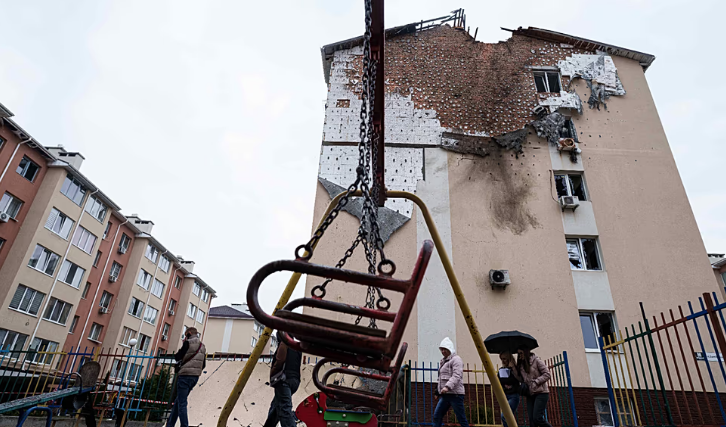
At least 15 people were killed in a wave of Russian strikes across Ukraine from Friday into Saturday, as Kyiv renewed calls for a temporary Easter ceasefire and launched retaliatory drone attacks deep into Russian territory.
Ukrainian officials described the assault as “massive,” involving a combination of missiles and drones targeting multiple regions, including areas near the capital. Authorities said the attacks reflect a shift in Russian tactics aimed at increasing pressure on civilians.
“The Kyiv region is once again under a massive Russian missile and drone attack,” said Mykola Kalashnyk, head of the regional military administration, in a statement. He reported that one person was killed and at least eight others were wounded in strikes on satellite towns around Kyiv, including Bucha, Fastiv and Obukhiv.
Elsewhere, a guided aerial bomb hit an apartment building in the northern Sumy region, killing one person, according to local officials. Casualties were also reported in Kherson, Zhytomyr, Kharkiv and Donetsk regions as attacks continued throughout the day. Overnight, five more people were killed in Nikopol, west of Zaporizhzhia, local authorities said.
Ukrainian officials warned that Russia may be intensifying daytime strikes after months of primarily night-time bombardments. They said such a shift could increase the risk to civilians, particularly in densely populated areas.
Foreign Minister Andrii Sybiha said nearly 500 drones and cruise missiles were launched during the latest wave of attacks. “This is how Moscow responds to Ukraine’s Easter ceasefire proposals — with brutal attacks,” he wrote on social media.
President Volodymyr Zelenskyy has indicated that Ukraine remains open to a truce during the Easter period, which will be observed next week by Orthodox Christians in both countries. He said the proposal had been communicated to Moscow through US channels, though no clear response has been received.
The Kremlin has previously expressed scepticism about temporary pauses in fighting. Earlier this week, spokesman Dmitry Peskov said Russia was seeking a lasting settlement rather than a short-term ceasefire. Last year, a brief unilateral truce declared by Moscow during Easter was marred by mutual accusations of violations.
Meanwhile, Ukraine continued its counterattacks with drones targeting sites inside Russia. The Russian Defence Ministry said it shot down 192 Ukrainian drones overnight across the country and in occupied Crimea.
Regional officials in Russia reported damage and injuries. Two people were hospitalised after a drone strike in the Leningrad region, more than 1,000 kilometres from the Ukrainian border, while another attack in Belgorod left 12 people injured, including several soldiers. Authorities also reported intercepting drones near Moscow, with no casualties recorded.
The escalation on both sides comes as the conflict shows no signs of easing, with continued attacks raising concerns about civilian safety and the prospects for any near-term ceasefire.





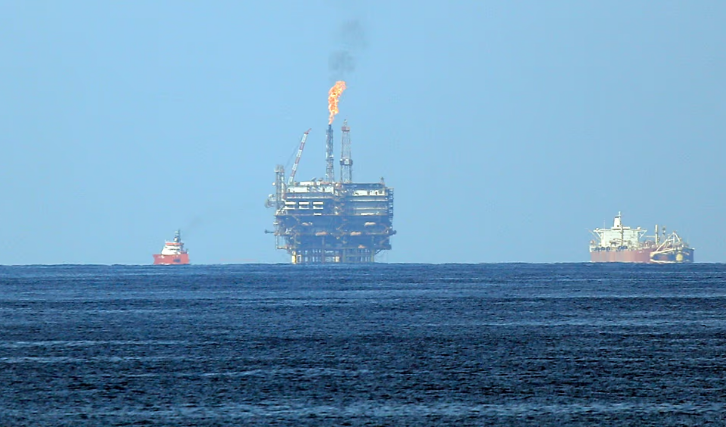
Italian energy company ENI and Egypt have announced a significant natural gas discovery in the Eastern Mediterranean, offering a potential boost to Cairo as the Iran war drives energy import costs sharply higher. Preliminary estimates suggest the Temsah field, located off Egypt’s Mediterranean coast, contains around 2 trillion cubic feet of gas, ENI said in a statement on Tuesday.
The discovery also includes 130 million barrels of petroleum condensates, according to Egypt’s petroleum ministry. Officials described the find as part of a broader effort to increase domestic production and reduce Egypt’s reliance on imported energy. The Denise W well, the first exploratory well in the Temsah Concession, is now being prepared for testing. Once complete, additional wells will be drilled and an offshore production platform built before the field can be brought online.
Denise W 1 lies 70 kilometres offshore in 95 metres of water and less than 10 kilometres from existing infrastructure. ENI operates the project with a 50% stake, while BP holds the remaining 50% through their joint venture Petrobel.
The discovery comes at a critical time for Egypt. The Iran war has disrupted the country’s gas supplies from Qatar and Israel, forcing Cairo to adopt energy-saving measures including higher fuel prices, reduced government spending, and business curfews. Prime Minister Mostafa Madbouly said last month that the conflict had nearly tripled Egypt’s monthly natural gas import bill, from $560 million to $1.65 billion.
The Temsah find recalls Egypt’s previous major offshore breakthrough, the 2015 Zohr field. At the time, Zohr, holding an estimated 30 trillion cubic feet of gas, raised hopes that Egypt could achieve energy self-sufficiency and become a major exporter. Those ambitions have since been scaled back, with the country focusing on serving as a regional processing and transit hub for gas, using its liquefaction terminals to route supplies from neighbouring countries, including Cyprus.
Egypt’s energy sector has also seen recent onshore discoveries. Last month, the country and Apache Corporation announced a find in the Western Desert expected to yield 26 million cubic feet per day.
Whether the Temsah discovery will ease Egypt’s energy crunch depends on how quickly production can begin and the duration of the Iran war. Analysts note that while the field adds to Egypt’s reserves, bringing the gas to market requires time to drill additional wells and build infrastructure.
For Egypt and Europe, the Temsah find could offer a measure of relief in the face of rising energy costs. The discovery highlights Egypt’s ongoing efforts to strengthen domestic energy production, safeguard supply, and reduce exposure to global disruptions caused by conflict in the region.

Sweden Accuses Iran of Using Criminal Gangs to Target Dissidents as Teenagers Face Trial

US-Iran Ceasefire Eases Tensions as Europe Reacts; US Politics Spill Into Hungary Vote

ENI and Egypt Announce Major Gas Discovery Amid Rising Energy Costs

Nearly 1,000 Migrants Feared Dead in Mediterranean Shipwrecks Since Start of 2026

OpenAI Urges Governments to Rethink Economy as AI Growth Accelerates

Fuel Restrictions at Italian Airports Raise Concerns Over Summer Flights

Spain Employment Hits Record as Social Security Enrolment Tops 22 Million

OPEC+ Agrees Modest Output Increase as Hormuz Disruptions Shake Oil Markets

European Cocoa and Chocolate Prices Surge Ahead of Easter

Portugal Ranks Fourth in EU for Long Working Hours, Study Finds

Meta Acquires Tilda Swinton VR Doc ‘Impulse: Playing With Reality’

Saudi Arabia’s Model for Sustainable Aviation Practices

Recent Developments in Small Business Taxes

Effective Drain Cleaning: A Key to a Healthy Plumbing System

Who was Ebrahim Raisi and his status in Iranian Politics?

Carrectly: Revolutionizing Car Care in Chicago

Keely Hodgkinson Wins Britain’s First Athletics Gold at Paris Olympics in 800m

China’s Historic Olympic Victory Sparks National Pride Amid Controversy

Saudi Arabia: Foreign Direct Investment Rises by 5.6% in Q1

Chinese Hackers Infiltrate Major U.S. Telecom Firms in Possible National Security Breach

Sony WF-10XM4: Headphones Are Our Absolute Favorite

10 Places You Can’t Miss If It’s Your First Time in European

New Census Data Will Shake Up Alabama Politics

16 Top of Our Favorite Outdoor Clothing Brands

Fashionable Summer Accessories to Dress Up Your Travel Look

How Sleeping Less than 7 Hours a Night Can Lead to Weight Gain
-
 Entertainment2 years ago
Meta Acquires Tilda Swinton VR Doc ‘Impulse: Playing With Reality’
-
 Business2 years ago
Saudi Arabia’s Model for Sustainable Aviation Practices
-
 Business2 years ago
Recent Developments in Small Business Taxes
-
 Home Improvement1 year ago
Effective Drain Cleaning: A Key to a Healthy Plumbing System
-
 Politics2 years ago
Who was Ebrahim Raisi and his status in Iranian Politics?
-
 Business2 years ago
Carrectly: Revolutionizing Car Care in Chicago
-
 Sports2 years ago
Keely Hodgkinson Wins Britain’s First Athletics Gold at Paris Olympics in 800m
-
 Sports2 years ago
China’s Historic Olympic Victory Sparks National Pride Amid Controversy