
News
EU Finance Ministers Push for Digital Euro Framework Amid Disagreements

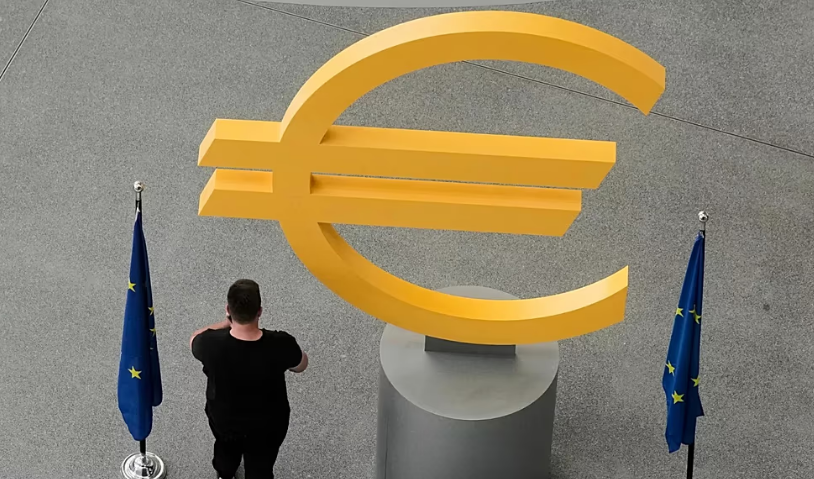
Finance ministers across the European Union are under mounting pressure to finalize a legal framework for a digital euro by the end of 2025, but divisions remain over privacy protections, limits on holdings, and the role of non-euro countries.
The push comes after EU leaders earlier this year urged ministers to accelerate talks on the project, seen as crucial to the bloc’s financial autonomy. Throughout July, negotiations in the Council of the EU gathered pace, with most governments backing the Danish presidency’s target of reaching a common position by late 2025.
Yet, several countries argue that more technical groundwork is required before moving forward. Germany’s Finance Minister Lars Klingbeil told colleagues in Brussels that the framework must guarantee “fair compensation models for banks, good distribution conditions, and a high level of privacy protection from day one.”
Other states raised additional concerns. Sweden has insisted the system must not overburden banks outside the eurozone. The Netherlands has pushed for strict holding limits to ensure the digital euro functions solely as a payment tool. Hungary has gone further, demanding a direct say over the issuance of the currency.
At the start of July, European Central Bank (ECB) Vice-President Luis de Guindos reiterated that no launch decision will be made until the legislative groundwork is completed. Both the Council and the European Parliament must adopt the framework before the ECB governing bodies decide whether to proceed, a step that would trigger a preparatory phase of about two and a half years.
De Guindos emphasized the urgency, warning that Europe’s growing reliance on U.S. payment providers threatens its financial independence. “Accelerating progress on the digital euro is essential to reduce our dependence on the U.S., as most electronic payment solutions are American,” he said. Currently, 13 of the 20 eurozone countries lack their own national card scheme, depending instead on international providers such as Visa and Mastercard.
The recent approval of the U.S. Genius Act, which regulates dollar-pegged stablecoins, has further sharpened concerns in Europe. ECB Executive Board member Piero Cipollone warned in April that Washington’s support for stablecoins could undermine Europe’s financial stability, underscoring the need to strengthen the euro’s role through a digital alternative.
According to the Financial Times, the ECB is still weighing which technology to adopt, including the possibility of using a public blockchain such as Ethereum or Solana. The ECB confirmed to Euronews that it is testing both centralized and decentralized solutions but has not yet made a decision.
Consumer groups also argue that Europe must build its own infrastructure. Anna Martin, head of financial services at the European Consumer Organisation (BEUC), said, “Current geopolitical uncertainties show very clearly the necessity to reduce Europe’s dependency on non-European providers in strategic areas.”
Still, progress in the European Parliament has stalled. A draft report on the digital euro was tabled in February 2024 by German MEP Stefan Berger, but no vote has followed. After Berger stepped down, Spanish MEP Fernando Navarrete took over the file in April 2025. Despite appeals from the ECB to advance the legislation, Navarrete has yet to comment publicly on the delays.
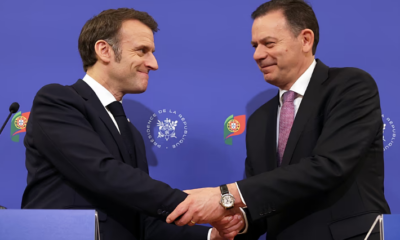



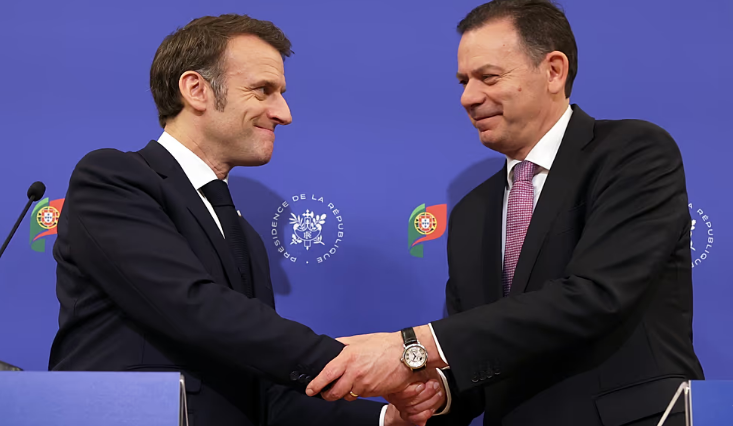
A new chapter in relations between France and Portugal began on Sunday as a wide-ranging friendship treaty between the two countries officially entered into force, marking a significant step toward closer cooperation across multiple sectors.
The Treaty of Friendship and Cooperation, signed in Porto in February 2025 by Emmanuel Macron and Portuguese Prime Minister Luís Montenegro, is designed to strengthen bilateral ties and reinforce collaboration within Europe.
French officials have described relations with Lisbon as “excellent,” highlighting the agreement as part of a broader effort to build a more self-reliant and competitive Europe. In a message to Portugal’s newly elected president, António José Seguro, Macron pledged to ensure the treaty delivers tangible benefits for both nations.
The agreement covers a wide range of areas, including defence, energy, trade and education. Both countries have committed to enhancing cooperation between their armed forces and defence industries, with a focus on safeguarding critical infrastructure and countering hybrid threats, particularly in cyberspace.
Energy cooperation also features prominently. France and Portugal aim to improve interconnections across the Iberian Peninsula, an issue that gained urgency following a major blackout affecting Spain and Portugal in April 2025. Officials say better integration with European energy networks will help prevent future disruptions and support long-term resilience.
On the economic front, the treaty promotes stronger support for small and medium-sized enterprises and encourages joint efforts in developing a sustainable “blue economy” linked to the Atlantic Ocean. Trade ties between the two countries are already robust, with France ranking as Portugal’s third-largest trading partner in 2025.
Analysts point to growing investment flows in both directions. Portuguese businesses are increasingly establishing a presence in France, while French firms continue to expand operations in Portugal, reflecting deepening economic integration.
People-to-people links are another key pillar of the agreement. Around 1.7 million Portuguese nationals live in France, making them one of the largest foreign communities in the country. Meanwhile, tens of thousands of French citizens reside in Portugal.
The treaty also aims to boost educational cooperation, including teacher training and student exchanges. However, some observers have raised concerns about practical challenges, particularly a shortage of Portuguese language teachers in France, which could limit progress in this area.
Implementation of the agreement will be overseen through regular high-level meetings between the two governments, ensuring continued coordination and follow-up on agreed initiatives.
The pact forms part of a wider strategy by France to deepen bilateral ties across Europe, following similar agreements with Germany, Italy and Poland, as Paris seeks to strengthen partnerships within the European Union.

Oil Surge and Market Jitters Follow Strait of Hormuz Tensions

Merz Records Lowest Approval Among Global Leaders, Survey Finds

France and Portugal Enact Landmark Treaty to Deepen Strategic Ties

Title: From Private Jets to Spaceflights: Ultra-Luxury Travel Redefines Exclusive Exploration

US States Outpace EU Economies in Wealth Per Capita While Europe Remains Competitive in Total GDP

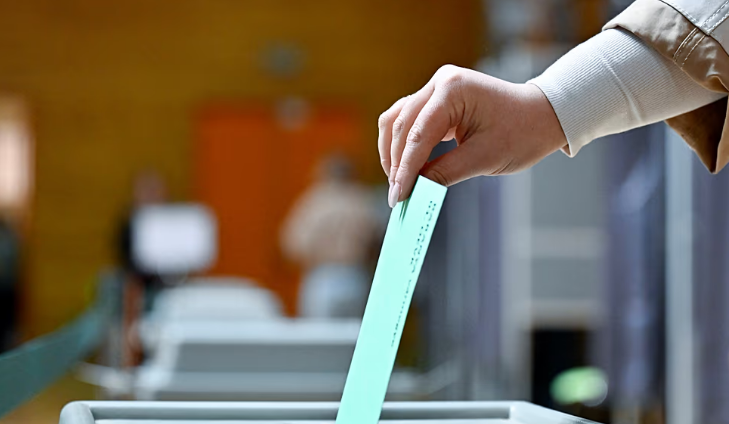
Record Turnout Reported as Hungary’s Parliamentary Election Draws Millions to the Polls

Hungary Votes in High-Stakes Election as Orbán Faces Strongest Challenge in Years

Genetic Differences May Shape Effectiveness of Popular Weight-Loss Drugs, Study Finds

Seven-Day Meditation Retreat Linked to Measurable Changes in Brain and Body, Study Finds

Fuel Prices Surge Across Europe as Middle East Crisis Pushes Oil Above $100

Meta Acquires Tilda Swinton VR Doc ‘Impulse: Playing With Reality’

Saudi Arabia’s Model for Sustainable Aviation Practices

Recent Developments in Small Business Taxes

Effective Drain Cleaning: A Key to a Healthy Plumbing System

Who was Ebrahim Raisi and his status in Iranian Politics?

China’s Historic Olympic Victory Sparks National Pride Amid Controversy

Carrectly: Revolutionizing Car Care in Chicago

Keely Hodgkinson Wins Britain’s First Athletics Gold at Paris Olympics in 800m

Saudi Arabia: Foreign Direct Investment Rises by 5.6% in Q1

Chinese Hackers Infiltrate Major U.S. Telecom Firms in Possible National Security Breach

Sony WF-10XM4: Headphones Are Our Absolute Favorite

10 Places You Can’t Miss If It’s Your First Time in European

New Census Data Will Shake Up Alabama Politics

16 Top of Our Favorite Outdoor Clothing Brands

Fashionable Summer Accessories to Dress Up Your Travel Look

How Sleeping Less than 7 Hours a Night Can Lead to Weight Gain
-
 Entertainment2 years ago
Meta Acquires Tilda Swinton VR Doc ‘Impulse: Playing With Reality’
-
 Business2 years ago
Saudi Arabia’s Model for Sustainable Aviation Practices
-
 Business2 years ago
Recent Developments in Small Business Taxes
-
 Home Improvement1 year ago
Effective Drain Cleaning: A Key to a Healthy Plumbing System
-
 Politics2 years ago
Who was Ebrahim Raisi and his status in Iranian Politics?
-
 Sports2 years ago
China’s Historic Olympic Victory Sparks National Pride Amid Controversy
-
 Business2 years ago
Carrectly: Revolutionizing Car Care in Chicago
-
 Sports2 years ago
Keely Hodgkinson Wins Britain’s First Athletics Gold at Paris Olympics in 800m