
News
Cuba Suffers Third Nationwide Blackout in Two Weeks as Fuel Shortages Deepen Energy Crisis

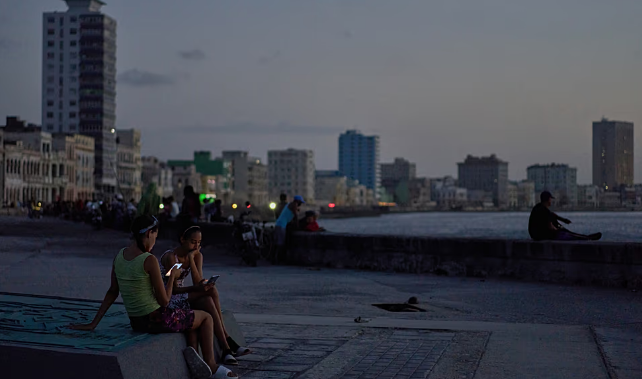
Cuba was plunged into another nationwide power outage on Tuesday after a failure at a generating unit triggered the collapse of the National Electric System (SEN), marking the third island-wide blackout in less than two weeks as the country struggles with worsening fuel shortages and an ongoing economic crisis.
State-owned Electric Union said the outage began around midday after a malfunction at a power plant in the eastern province of Holguín caused a sudden change in grid frequency, forcing the national electricity network offline.
Officials from the Ministry of Energy and Mines said emergency restoration procedures were activated immediately. The process involves creating isolated “micro-islands” of electricity before reconnecting them to rebuild the national grid. Priority has been given to hospitals, food processing facilities and other essential services.
By Tuesday afternoon, electricity had been restored to parts of Havana, with authorities reporting that about 4 percent of the capital had regained power. Provincial officials in Guantánamo, Cienfuegos and Matanzas also confirmed that electricity had returned to hospitals and selected urban areas, including Matanzas’ historic city centre.
The latest outage follows nationwide blackouts last Monday and Friday that left more than 9 million people without electricity. Cuba also experienced two major nationwide outages in March, along with several regional disruptions during the year.
The repeated failures have disrupted daily life across the island. Public transportation has been severely affected, work schedules have been shortened, flights have faced cancellations and hospitals have struggled to maintain normal operations. Residents have also experienced interruptions to cooking, water supplies, internet access and telephone services.
Fuel shortages have intensified since January, when US President Donald Trump threatened tariffs on countries supplying or selling oil to Cuba. The measures have added pressure to an economy already facing years of financial hardship.
Cuba currently produces only about 40 percent of the fuel it requires, leaving it heavily dependent on imports. Officials have acknowledged that no immediate solution has emerged to secure additional fuel supplies, leaving the country’s ageing electricity infrastructure under continued strain.
Washington’s energy restrictions followed the capture of Venezuela’s then-President Nicolás Maduro and expanded existing sanctions already affecting Cuba’s economy. Authorities say the latest measures have compounded challenges created by previous sanctions and domestic economic reforms, including monetary unification.
The situation has also drawn political attention in the United States. Four Democratic members of Congress who visited Cuba over the weekend described the energy embargo imposed by the Trump administration as turning the island into a “silent Gaza,” highlighting the humanitarian impact of prolonged power shortages.
With fuel supplies remaining scarce and no immediate relief in sight, Cuba’s electricity system continues to face significant pressure, raising concerns that further nationwide outages could occur in the weeks ahead.



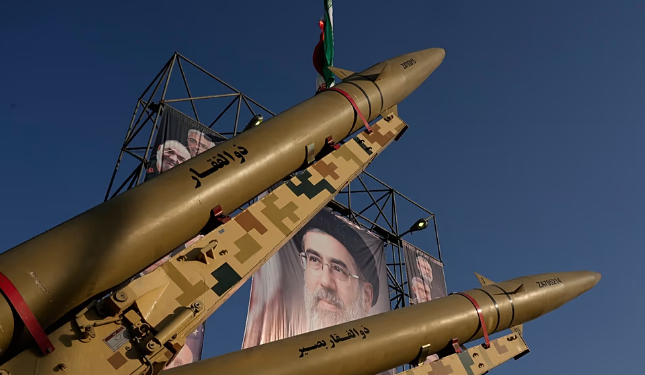
Iran’s military said it retained full control of the Strait of Hormuz on Monday, while Foreign Minister Abbas Araghchi said the strategic waterway could be fully reopened within seven days if Tehran’s conditions were met and hostile measures against the country were lifted.
The statements came as Iran faced growing economic pressure, with the rial falling to record lows, Oil Minister Mohsen Paknejad resigning and the United States claiming that Tehran had not loaded any crude onto tankers during September.
Brigadier General Aziz Jafari, commander of Iran’s Khatam al-Anbiya Joint Air Defence Headquarters, said all movements through the Strait remained under the control of the Iranian armed forces despite changes in US tactics.
“All movements (in Hormuz) are under the control of the armed forces of the Islamic Republic,” Jafari said.
US Treasury Secretary Scott Bessent said on Thursday that Iran had not loaded crude oil onto tankers during September, arguing that the Trump administration was targeting Tehran’s main source of revenue.
Iranian President Masoud Pezeshkian acknowledged in August that restrictions were disrupting oil exports, saying the country had previously been able to sell oil but was now unable to do so at the same level.
Paknejad’s resignation was officially attributed to family and personal matters. However, his departure came amid speculation about the impact of reduced oil exports on government finances. Before his resignation was announced, Paknejad said in a video carried by Iranian media that revenue from oil already sold would be collected and that the process would continue.
The acting oil minister has pledged to maximise production and maintain exports through new strategies.
Despite pressure on Iranian exports, oil shipments from other parts of the region remained high. Ship-tracking company Kpler estimated crude exports from the region excluding Iran at between 19.5 million and 22.5 million barrels per day during the final week of September, compared with a pre-war regional average of about 18 million barrels per day.
Iran’s currency has also come under severe pressure. The euro rose above 300,000 tomans on the informal market, while the US dollar reached 270,000 tomans, more than double its level of about 135,000 tomans at the beginning of the year. One toman is equal to 10 rials.
The UK Maritime Trade Operations agency reported at least one attack each day in the Strait of Hormuz or the Gulf of Aden since October 2.
Araghchi told foreign ambassadors in Tehran that the conflict could not be resolved militarily and called for negotiations based on fairness. He warned that any renewed military confrontation would trigger a stronger Iranian response.
Parliament Speaker Mohammad Bagher Ghalibaf said Tehran had received US proposals through intermediaries but rejected what he described as one-sided demands.
He said the Strait would remain closed until Iran’s seven conditions, based on the Islamabad memorandum, were met.

Moonshot AI Targets 2027 Hong Kong IPO as DeepSeek Funding Race Intensifies

Saudi Aramco Chief Warns Global Oil Supply Cushion Is Running Thin

Trump Defers Diesel Taxes as US Fuel Prices Near Record Highs

Investors Face Limited Choices as Robotics Boom Stays Locked in Private Markets

Optogenetics Pioneers Win 2026 Nobel Prize in Medicine

Iran Says Hormuz Can Reopen Within Seven Days as Oil Exports Come Under Pressure

Uruguay Tops Global Retirement Ranking as Europe Dominates Top 10

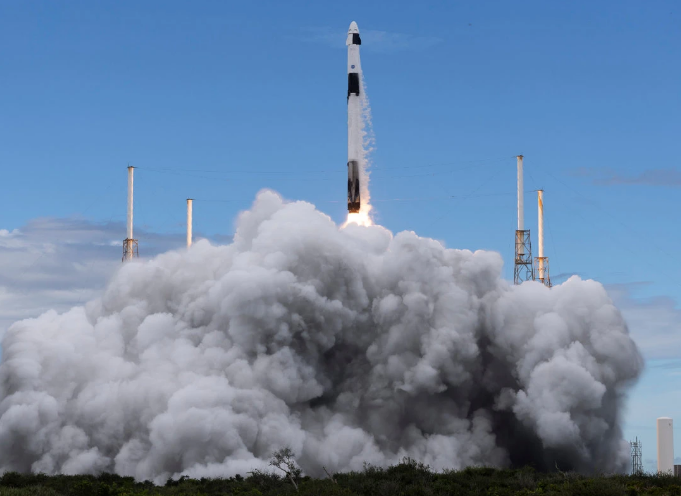
SpaceX crew reaches International Space Station in record US transit

Guirassy scores as Guinea edge Kenya in AFCON 2027 qualifier

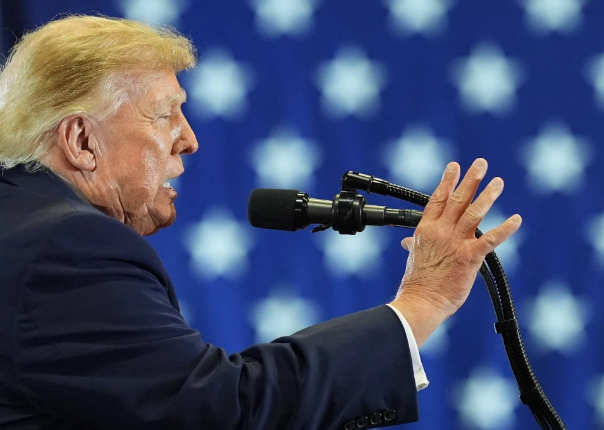
Trump, Vance begin midterm campaign push as Republicans confront economic concerns

Meta Acquires Tilda Swinton VR Doc ‘Impulse: Playing With Reality’

China’s Historic Olympic Victory Sparks National Pride Amid Controversy

Saudi Arabia’s Model for Sustainable Aviation Practices

Recent Developments in Small Business Taxes

Effective Drain Cleaning: A Key to a Healthy Plumbing System

Who was Ebrahim Raisi and his status in Iranian Politics?

Keely Hodgkinson Wins Britain’s First Athletics Gold at Paris Olympics in 800m

Carrectly: Revolutionizing Car Care in Chicago

Nobel Laureate Muhammad Yunus Proposed as Head of Bangladesh’s Interim Government Following Hasina’s Resignation

Chinese Hackers Infiltrate Major U.S. Telecom Firms in Possible National Security Breach

Sony WF-10XM4: Headphones Are Our Absolute Favorite

10 Places You Can’t Miss If It’s Your First Time in European

New Census Data Will Shake Up Alabama Politics

16 Top of Our Favorite Outdoor Clothing Brands

Fashionable Summer Accessories to Dress Up Your Travel Look

How Sleeping Less than 7 Hours a Night Can Lead to Weight Gain
-
 Entertainment2 years ago
Meta Acquires Tilda Swinton VR Doc ‘Impulse: Playing With Reality’
-
 Sports2 years ago
China’s Historic Olympic Victory Sparks National Pride Amid Controversy
-
 Business2 years ago
Saudi Arabia’s Model for Sustainable Aviation Practices
-
 Business2 years ago
Recent Developments in Small Business Taxes
-
 Home Improvement2 years ago
Effective Drain Cleaning: A Key to a Healthy Plumbing System
-
 Politics2 years ago
Who was Ebrahim Raisi and his status in Iranian Politics?
-
 Sports2 years ago
Keely Hodgkinson Wins Britain’s First Athletics Gold at Paris Olympics in 800m
-
 Business2 years ago
Carrectly: Revolutionizing Car Care in Chicago