
Business
Tesla Unveils Cybercab Robotaxi at “We, Robot” Event in California

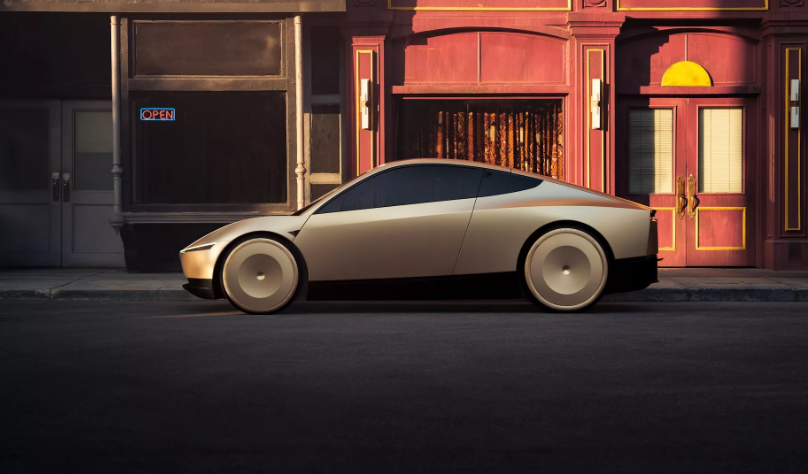
Tesla CEO Elon Musk has unveiled the company’s highly anticipated Cybercab Robotaxi during the “We, Robot” event held at Warner Bros. Discovery studio in California. The Cybercab, an autonomous vehicle with no steering wheels or pedals, is expected to cost under $30,000 (€27,000), marking Tesla’s ambitious leap into the future of transportation.
Musk revealed that the Cybercab would operate at an estimated cost of just $0.20 (€0.18) per mile, significantly lowering transportation costs for consumers. The vehicle, relying entirely on cameras and artificial intelligence for navigation, will also be available for individual purchase, adding a new dimension to Tesla’s offerings.
Alongside the Cybercab, Tesla also introduced the Robovan, another autonomous vehicle capable of seating up to 20 passengers, as well as an upgraded version of its humanoid robot, “Optimus.” Musk suggested that Optimus could begin operating in Tesla’s factories by the end of 2024.
Full-Self Driving and Production Timeline
Tesla aims to start unsupervised Full-Self Driving (FSD) in Texas and California next year, using its Model 3 and Model Y vehicles. Although Musk had previously targeted early 2025 for the full rollout of FSD vehicles, regulatory approval remains a hurdle. He acknowledged that his timelines have often been overly optimistic but hinted that mass production of the Cybercab could commence by 2026, potentially earlier.
Challenges and Competition
Tesla is shifting its focus to autonomous vehicles at a time when it faces slowing global demand for electric vehicles (EVs) and rising competition from Chinese automakers. The company’s core business—car sales—has seen year-on-year declines in the last two quarters, and the Robotaxi is seen as a critical growth driver for the company’s future.
However, Tesla’s venture into autonomous vehicles faces stiff competition from General Motors’ Cruise and Alphabet-backed Waymo, both of which already have driverless cars operating on public roads. Regulatory challenges and customer trust remain significant hurdles for Tesla’s autonomous ambitions.
Tesla’s Financial Struggles
Despite the excitement surrounding the Cybercab, Tesla’s share price has been under pressure, down 4% year-to-date, while the S&P 500 gained 21%. Tesla’s stock has fallen more than 7% since its third-quarter EV delivery report in early October, where the company missed its forecasted delivery target, raising concerns about its growth trajectory.
With third-quarter earnings set to be announced on October 23, analysts are expecting a profit of $0.46 per share, representing a 13.2% year-on-year decrease. Tesla’s financial performance, coupled with its high Price-to-Earnings ratio, suggests that the company may still be overvalued based on recent results.











Genetic Differences May Shape Effectiveness of Popular Weight-Loss Drugs, Study Finds

Seven-Day Meditation Retreat Linked to Measurable Changes in Brain and Body, Study Finds

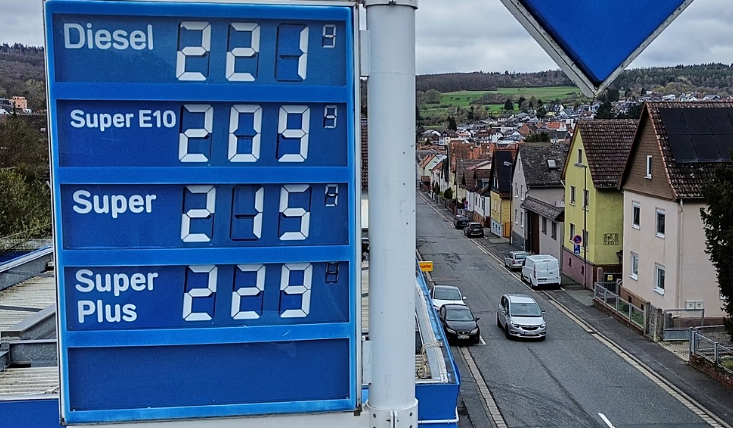
Fuel Prices Surge Across Europe as Middle East Crisis Pushes Oil Above $100

Oil Prices Surge as Strait of Hormuz Closure Shakes Markets

Britain and Norway Step Up Naval Patrols to Protect Undersea Infrastructure from Russia

Meta Launches Muse Spark, Its First Major AI Model in Nine Months

Fresh Attacks Reported Across Gulf Despite US-Iran Ceasefire Announcement

Sweden Accuses Iran of Using Criminal Gangs to Target Dissidents as Teenagers Face Trial

US-Iran Ceasefire Eases Tensions as Europe Reacts; US Politics Spill Into Hungary Vote

ENI and Egypt Announce Major Gas Discovery Amid Rising Energy Costs

Meta Acquires Tilda Swinton VR Doc ‘Impulse: Playing With Reality’

Saudi Arabia’s Model for Sustainable Aviation Practices

Recent Developments in Small Business Taxes

Effective Drain Cleaning: A Key to a Healthy Plumbing System

Who was Ebrahim Raisi and his status in Iranian Politics?

China’s Historic Olympic Victory Sparks National Pride Amid Controversy

Carrectly: Revolutionizing Car Care in Chicago

Keely Hodgkinson Wins Britain’s First Athletics Gold at Paris Olympics in 800m

Saudi Arabia: Foreign Direct Investment Rises by 5.6% in Q1

Chinese Hackers Infiltrate Major U.S. Telecom Firms in Possible National Security Breach

Sony WF-10XM4: Headphones Are Our Absolute Favorite

10 Places You Can’t Miss If It’s Your First Time in European

New Census Data Will Shake Up Alabama Politics

16 Top of Our Favorite Outdoor Clothing Brands

Fashionable Summer Accessories to Dress Up Your Travel Look

How Sleeping Less than 7 Hours a Night Can Lead to Weight Gain
-
 Entertainment2 years ago
Meta Acquires Tilda Swinton VR Doc ‘Impulse: Playing With Reality’
-
 Business2 years ago
Saudi Arabia’s Model for Sustainable Aviation Practices
-
 Business2 years ago
Recent Developments in Small Business Taxes
-
 Home Improvement1 year ago
Effective Drain Cleaning: A Key to a Healthy Plumbing System
-
 Politics2 years ago
Who was Ebrahim Raisi and his status in Iranian Politics?
-
 Sports2 years ago
China’s Historic Olympic Victory Sparks National Pride Amid Controversy
-
 Business2 years ago
Carrectly: Revolutionizing Car Care in Chicago
-
 Sports2 years ago
Keely Hodgkinson Wins Britain’s First Athletics Gold at Paris Olympics in 800m