
Business
Rising Energy Costs From Iran Conflict Raise Eurozone Inflation Concerns


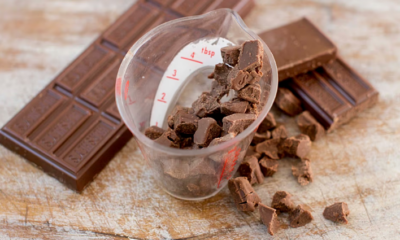



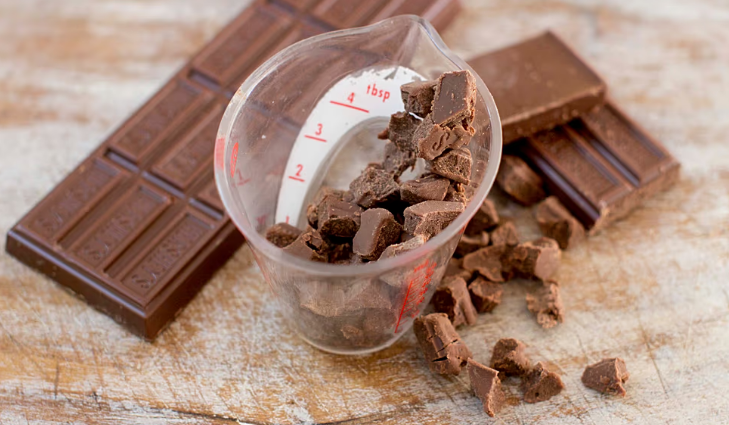
Cocoa and chocolate prices in Europe have risen sharply ahead of Easter, outpacing overall inflation and highlighting the fragility of global supply chains. According to Eurostat data, consumer prices for cocoa and powdered chocolate increased by 15.3% annually as of December 2025, while chocolate prices rose 15.6% over the same period. These increases place both items among the top five food and non-alcoholic beverage categories with the highest inflation in the European Union, where overall inflation stood at 2.3%.
Experts attribute the surge to disruptions in the cocoa supply chain, particularly due to adverse weather conditions in Africa. Joël Frei, communication officer at the Swiss Platform for Sustainable Cocoa, said global cocoa production has become increasingly volatile, with the 2023–2024 cocoa year proving particularly difficult. Revised estimates from the International Cocoa Organization indicate that global output fell from 5.016 million tonnes in 2022–2023 to 4.368 million tonnes in 2023–2024, a 12.9% decline. At the same time, the stocks-to-grindings ratio fell from 34.9% to 26.4%, reflecting a tighter market.
“Shocks on the production side have pushed inventories to historically low levels, leaving markets extremely exposed to further disruptions and driving cocoa prices to record highs,” said Emiliano Magrini, economist at the United Nations Food and Agriculture Organization (FAO).
The impact on consumers has been severe in several countries. Denmark reported the largest annual increase at 30.5%, followed by Lithuania at 30.3%. Austria, Romania, Norway, and Sweden also saw rises above 25%. Among Europe’s largest economies, Germany experienced a 21.4% increase, Italy 20.5%, while France and Spain saw smaller hikes of 14.7% and 12%, respectively. Czechia, Belgium, Serbia, and Portugal recorded relatively minor increases between 1.3% and 3.6%.
The decline in cocoa output was concentrated in the world’s two largest producers. Côte d’Ivoire saw a drop of roughly 20–25%, while Ghana experienced an even sharper decline. Magrini said the reduction was driven by prolonged dry spells and increased disease pressure, including the cocoa swollen shoot virus. Anna Lea Albright, former fellow at the Harvard Center for the Environment, noted that extreme rainfall during flowering and early pod development also contributed to significant yield losses.
Production has recovered modestly in 2024–2025 and is expected to improve further in the 2025–2026 season. Despite this, the market remains structurally thin and vulnerable, with prices sensitive to any additional shocks from weather, disease, or trade disruptions.
As Easter approaches, consumers across Europe are facing higher chocolate costs, reflecting a combination of tight global supply, climate challenges, and logistical vulnerabilities that continue to affect the cocoa industry.

Fuel Restrictions at Italian Airports Raise Concerns Over Summer Flights

Spain Employment Hits Record as Social Security Enrolment Tops 22 Million

OPEC+ Agrees Modest Output Increase as Hormuz Disruptions Shake Oil Markets

European Cocoa and Chocolate Prices Surge Ahead of Easter

Portugal Ranks Fourth in EU for Long Working Hours, Study Finds

US Pilot Found in Iran After Daring Rescue Operation

Uzbekistan to Produce Humanoid Robots in Partnership with South Korea

Uzbekistan to Launch Nationwide State Medical Insurance System in 2026

Egg Prices Surge Across Europe as “Eggflation” Outpaces Inflation Ahead of Easter

Europe Maintains Global Lead in Chocolate Production Despite Rising Costs

Meta Acquires Tilda Swinton VR Doc ‘Impulse: Playing With Reality’

Saudi Arabia’s Model for Sustainable Aviation Practices

Recent Developments in Small Business Taxes

Effective Drain Cleaning: A Key to a Healthy Plumbing System

Who was Ebrahim Raisi and his status in Iranian Politics?

Carrectly: Revolutionizing Car Care in Chicago

Keely Hodgkinson Wins Britain’s First Athletics Gold at Paris Olympics in 800m

Saudi Arabia: Foreign Direct Investment Rises by 5.6% in Q1

Chinese Hackers Infiltrate Major U.S. Telecom Firms in Possible National Security Breach

China’s Historic Olympic Victory Sparks National Pride Amid Controversy

Sony WF-10XM4: Headphones Are Our Absolute Favorite

10 Places You Can’t Miss If It’s Your First Time in European

New Census Data Will Shake Up Alabama Politics

16 Top of Our Favorite Outdoor Clothing Brands

Fashionable Summer Accessories to Dress Up Your Travel Look

How Sleeping Less than 7 Hours a Night Can Lead to Weight Gain
-
 Entertainment2 years ago
Meta Acquires Tilda Swinton VR Doc ‘Impulse: Playing With Reality’
-
 Business2 years ago
Saudi Arabia’s Model for Sustainable Aviation Practices
-
 Business2 years ago
Recent Developments in Small Business Taxes
-
 Home Improvement1 year ago
Effective Drain Cleaning: A Key to a Healthy Plumbing System
-
 Politics2 years ago
Who was Ebrahim Raisi and his status in Iranian Politics?
-
 Business2 years ago
Carrectly: Revolutionizing Car Care in Chicago
-
 Sports2 years ago
Keely Hodgkinson Wins Britain’s First Athletics Gold at Paris Olympics in 800m
-
 Business2 years ago
Saudi Arabia: Foreign Direct Investment Rises by 5.6% in Q1