
Business
Oil Prices Edge Higher After OPEC+ Announces Modest Production Increase

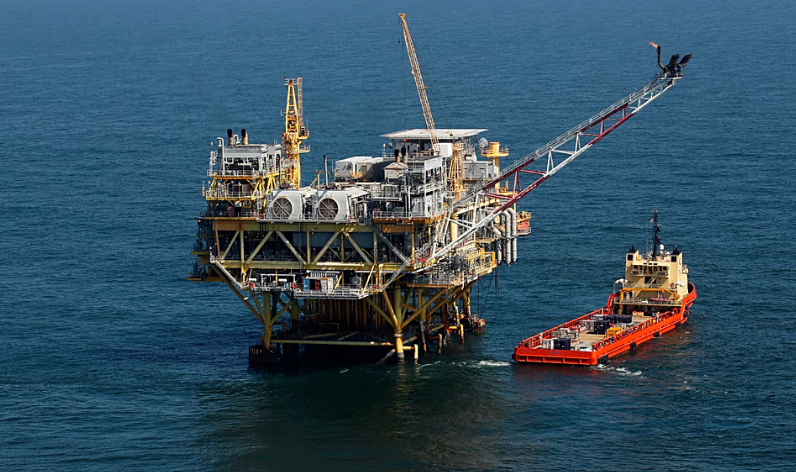
Oil prices rose in early European trading on Monday after OPEC+ announced a modest increase in production for November, easing market concerns about the prospect of a more substantial supply hike. However, analysts cautioned that the price rebound could be short-lived as sluggish demand raises the risk of a supply glut.
Following its meeting on Sunday, the oil-producing alliance — which includes members of the Organization of the Petroleum Exporting Countries (OPEC) and allies led by Russia — said it would raise output by 137,000 barrels per day next month, mirroring the increase announced for October.
By 8:15 a.m. CEST, West Texas Intermediate (WTI) crude was trading 1.31 percent higher at $61.68 per barrel, while Brent crude gained 1.22 percent to reach $65.32. Despite Monday’s uptick, both benchmarks remain down for the week amid ongoing concerns over rising global production. Over the past five days, WTI has fallen 2.79 percent, while Brent is down 3.9 percent.
The modest production decision follows weeks of speculation that OPEC+ might move more aggressively to raise output after months of gradually unwinding the historic production cuts imposed in 2023 and 2024. Those curbs, initially designed to stabilize prices, are set to be fully phased out by September 2026.
In a statement, OPEC+ said the decision was made “in view of a steady global economic outlook and current healthy market fundamentals, as reflected in the low oil inventories.” The group added that it would continue monitoring market conditions closely to maintain stability.
Oil prices have been volatile this year, with geopolitical tensions in the Middle East — particularly between Iran, Israel, and the United States — previously pushing prices above $80 per barrel. The conflict also sparked fears that Iran might disrupt shipments through the Strait of Hormuz, a key transit route for nearly one-fifth of global oil supply.
However, analysts warn that the market could soon face oversupply as demand remains weaker than expected. The International Energy Agency (IEA) and several private forecasters have pointed to robust output from the Americas, particularly the United States and Brazil, as a factor likely to outpace consumption growth in the coming months.
OPEC+, which consists of 12 member states and 10 allied producers, including Saudi Arabia and Russia, is expected to review market conditions again at its next meeting scheduled for November 2.
Until then, traders will be watching for signs of slowing demand or further production adjustments as the group seeks to balance market stability with the risk of falling prices.










Genetic Differences May Shape Effectiveness of Popular Weight-Loss Drugs, Study Finds

Seven-Day Meditation Retreat Linked to Measurable Changes in Brain and Body, Study Finds

Fuel Prices Surge Across Europe as Middle East Crisis Pushes Oil Above $100

Oil Prices Surge as Strait of Hormuz Closure Shakes Markets

Britain and Norway Step Up Naval Patrols to Protect Undersea Infrastructure from Russia

Meta Launches Muse Spark, Its First Major AI Model in Nine Months

Fresh Attacks Reported Across Gulf Despite US-Iran Ceasefire Announcement

Sweden Accuses Iran of Using Criminal Gangs to Target Dissidents as Teenagers Face Trial

US-Iran Ceasefire Eases Tensions as Europe Reacts; US Politics Spill Into Hungary Vote

ENI and Egypt Announce Major Gas Discovery Amid Rising Energy Costs

Meta Acquires Tilda Swinton VR Doc ‘Impulse: Playing With Reality’

Saudi Arabia’s Model for Sustainable Aviation Practices

Recent Developments in Small Business Taxes

Effective Drain Cleaning: A Key to a Healthy Plumbing System

Who was Ebrahim Raisi and his status in Iranian Politics?

China’s Historic Olympic Victory Sparks National Pride Amid Controversy

Carrectly: Revolutionizing Car Care in Chicago

Keely Hodgkinson Wins Britain’s First Athletics Gold at Paris Olympics in 800m

Saudi Arabia: Foreign Direct Investment Rises by 5.6% in Q1

Chinese Hackers Infiltrate Major U.S. Telecom Firms in Possible National Security Breach

Sony WF-10XM4: Headphones Are Our Absolute Favorite

10 Places You Can’t Miss If It’s Your First Time in European

New Census Data Will Shake Up Alabama Politics

16 Top of Our Favorite Outdoor Clothing Brands

Fashionable Summer Accessories to Dress Up Your Travel Look

How Sleeping Less than 7 Hours a Night Can Lead to Weight Gain
-
 Entertainment2 years ago
Meta Acquires Tilda Swinton VR Doc ‘Impulse: Playing With Reality’
-
 Business2 years ago
Saudi Arabia’s Model for Sustainable Aviation Practices
-
 Business2 years ago
Recent Developments in Small Business Taxes
-
 Home Improvement1 year ago
Effective Drain Cleaning: A Key to a Healthy Plumbing System
-
 Politics2 years ago
Who was Ebrahim Raisi and his status in Iranian Politics?
-
 Sports2 years ago
China’s Historic Olympic Victory Sparks National Pride Amid Controversy
-
 Business2 years ago
Carrectly: Revolutionizing Car Care in Chicago
-
 Sports2 years ago
Keely Hodgkinson Wins Britain’s First Athletics Gold at Paris Olympics in 800m