
Business
Oil and Gold Prices Surge Amid Middle East Tensions and Ukraine Conflict

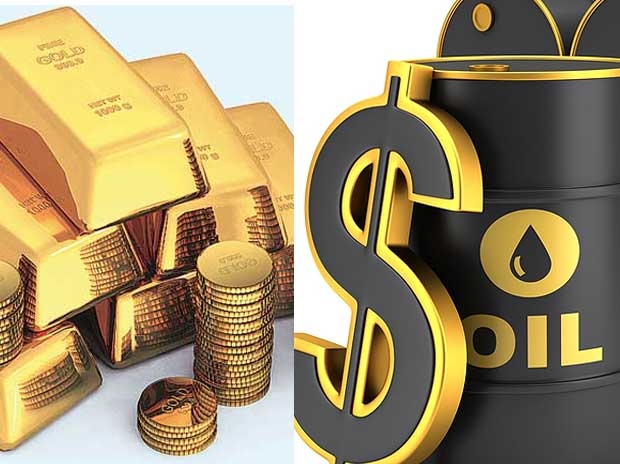
Rising tensions in the Middle East and the ongoing conflict between Ukraine and Russia have driven significant increases in both oil and gold prices. The U.S. Department of Defense’s announcement of plans to deploy a missile submarine to the Middle East, coupled with Israel’s heightened security alert following the assassination of a Hamas leader, has intensified concerns of a broader regional conflict. Additionally, Russia has commenced large-scale evacuations in Kursk and Belgorod as Ukrainian forces make advances, further fueling market volatility.
On Tuesday, gold futures on the Comex rose by 1.2%, nearing their all-time high of over $2,500 per ounce recorded on August 2. This increase underscores the growing demand for safe-haven assets amid escalating military tensions between Iran and Israel. Concurrently, crude oil prices have surged due to fears of potential supply disruptions. Brent crude futures climbed more than 3% to $81.77 per barrel, while WTI futures rose to $78.25 per barrel, reaching their highest levels in three weeks.
However, both gold and oil prices experienced a slight retreat during the Asian session on Wednesday as risk aversion eased with a rebound in stock markets, particularly in Japan. Despite this pullback, the macroeconomic environment suggests continued upward pressure on these commodity prices.
Gold prices saw a peak of $2,473 per ounce on Tuesday before retreating slightly to $2,464 per ounce by early morning CEST. The precious metal remains close to its record high and may surpass this peak if current trends persist. Several factors contribute to this rally, including increased investor demand for safe-haven assets amid market turmoil and ongoing geopolitical risks in the Middle East. Additionally, cooling inflation and anticipated rate cuts by the U.S. Federal Reserve, expected to begin in September, are likely to further support gold prices. Mounting recession fears amid weak U.S. economic data over the past month have also made gold a more attractive investment.
In the oil markets, prices surged more than 4% last week, with gains accelerating on Tuesday. The increase is driven by rising demand and escalating tensions in the Middle East. Upcoming inventory data from the U.S. Energy Information Administration (EIA) will be crucial for determining future market trends, as stockpiles have been decreasing for six consecutive weeks. OPEC+ production cuts, which have been in place since June, are expected to reduce global oil inventories over the next three quarters, supporting higher prices.
OPEC and its allies have extended production cuts of 3.66 million barrels per day until the end of 2025, with additional voluntary cuts of 2.2 million barrels per day continuing through September. The organization, responsible for over 37% of the world’s oil supply, has been reducing output since 2022, leading to a total cut of 5.86 million barrels per day, representing 5.7% of global demand.
Traders are also responding to technical signals, including a double-bottom pattern in oil futures price charts and WTI futures surpassing the 50-day moving average for the first time since July 19. These bullish signals are likely to encourage traders to maintain a positive outlook on oil prices.
As geopolitical tensions and market dynamics continue to evolve, both oil and gold markets remain highly responsive to global developments.









Genetic Differences May Shape Effectiveness of Popular Weight-Loss Drugs, Study Finds

Seven-Day Meditation Retreat Linked to Measurable Changes in Brain and Body, Study Finds

Fuel Prices Surge Across Europe as Middle East Crisis Pushes Oil Above $100

Oil Prices Surge as Strait of Hormuz Closure Shakes Markets

Britain and Norway Step Up Naval Patrols to Protect Undersea Infrastructure from Russia

Meta Launches Muse Spark, Its First Major AI Model in Nine Months

Fresh Attacks Reported Across Gulf Despite US-Iran Ceasefire Announcement

Sweden Accuses Iran of Using Criminal Gangs to Target Dissidents as Teenagers Face Trial

US-Iran Ceasefire Eases Tensions as Europe Reacts; US Politics Spill Into Hungary Vote

ENI and Egypt Announce Major Gas Discovery Amid Rising Energy Costs

Meta Acquires Tilda Swinton VR Doc ‘Impulse: Playing With Reality’

Saudi Arabia’s Model for Sustainable Aviation Practices

Recent Developments in Small Business Taxes

Effective Drain Cleaning: A Key to a Healthy Plumbing System

Who was Ebrahim Raisi and his status in Iranian Politics?

China’s Historic Olympic Victory Sparks National Pride Amid Controversy

Carrectly: Revolutionizing Car Care in Chicago

Keely Hodgkinson Wins Britain’s First Athletics Gold at Paris Olympics in 800m

Saudi Arabia: Foreign Direct Investment Rises by 5.6% in Q1

Chinese Hackers Infiltrate Major U.S. Telecom Firms in Possible National Security Breach

Sony WF-10XM4: Headphones Are Our Absolute Favorite

10 Places You Can’t Miss If It’s Your First Time in European

New Census Data Will Shake Up Alabama Politics

16 Top of Our Favorite Outdoor Clothing Brands

Fashionable Summer Accessories to Dress Up Your Travel Look

How Sleeping Less than 7 Hours a Night Can Lead to Weight Gain
-
 Entertainment2 years ago
Meta Acquires Tilda Swinton VR Doc ‘Impulse: Playing With Reality’
-
 Business2 years ago
Saudi Arabia’s Model for Sustainable Aviation Practices
-
 Business2 years ago
Recent Developments in Small Business Taxes
-
 Home Improvement1 year ago
Effective Drain Cleaning: A Key to a Healthy Plumbing System
-
 Politics2 years ago
Who was Ebrahim Raisi and his status in Iranian Politics?
-
 Sports2 years ago
China’s Historic Olympic Victory Sparks National Pride Amid Controversy
-
 Business2 years ago
Carrectly: Revolutionizing Car Care in Chicago
-
 Sports2 years ago
Keely Hodgkinson Wins Britain’s First Athletics Gold at Paris Olympics in 800m