
Business
Carrectly: Revolutionizing Car Care in Chicago


Tired of unreliable car services in Chicago? Look no further than Carrectly Auto Care. Founded by car enthusiasts, Carrectly is dedicated to providing a seamless, top-notch automotive experience. Our mission is simple: to make car care easy, transparent, and convenient for every vehicle owner in Chicago.
What Sets Carrectly Apart?
Carrectly Auto Care was established to tackle the frustrations of finding dependable car services. Here’s how we stand out:
- Innovation: We use the latest technologies to enhance our services.
- Simplicity: Our process is straightforward and hassle-free.
- Convenience: From pickup to drop-off, we make car care effortless.
Our Range of Services
At Carrectly, we offer a wide variety of services to ensure your vehicle is always in top shape. Our team of experts is committed to delivering exceptional quality in every service.
Mechanical Services
Keep your car running smoothly with our expert mechanical services. We handle:
- Regular maintenance
- Thorough diagnostics
- Comprehensive repairs
We believe in transparency, providing upfront pricing and keeping you informed throughout the service process.
Protection Services
Preserve your vehicle’s appearance and longevity with our protection services:
- Paint Protection Film (PPF): Shields your car’s paint from scratches and chips.
- Ceramic Coating: Provides a durable layer of protection against environmental damage.
- Window Tints: Enhances privacy and protects the interior from UV rays.
Aesthetic Services
Transform the look of your vehicle with our aesthetic services. We offer:
- Leather and carpet repair
- Custom vinyl wraps
- Wheel restoration and repainting
Detailing Services
Bring back that showroom shine with our detailing services. Our offerings include:
- Exterior waxing
- Interior deep cleaning
- Full vehicle detailing
Body Work
From minor dings to major collision repairs, our skilled technicians can restore your vehicle to its original condition using advanced techniques and high-quality materials.
Unmatched Convenience
In today’s fast-paced world, time is precious. That’s why Carrectly leverages technology and efficient logistics to provide a seamless car service experience. We handle everything from picking up your vehicle to delivering it back to you, ensuring top-quality service every step of the way.
Location and Contact Information
Carrectly is an on-demand service that picks up your car from any location within the Chicagoland area. Our business hours are:
- Monday – Friday: 9:00 AM – 6:00 PM
- Saturday: 9:00 AM – 3:00 PM
- Sunday: Closed
Contact Us:
- Phone: (773) 800-9085













Genetic Differences May Shape Effectiveness of Popular Weight-Loss Drugs, Study Finds

Seven-Day Meditation Retreat Linked to Measurable Changes in Brain and Body, Study Finds

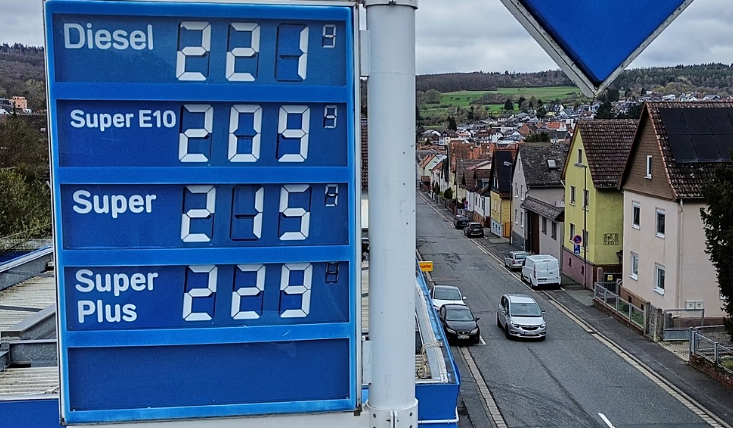
Fuel Prices Surge Across Europe as Middle East Crisis Pushes Oil Above $100

Oil Prices Surge as Strait of Hormuz Closure Shakes Markets

Britain and Norway Step Up Naval Patrols to Protect Undersea Infrastructure from Russia

Meta Launches Muse Spark, Its First Major AI Model in Nine Months

Fresh Attacks Reported Across Gulf Despite US-Iran Ceasefire Announcement

Sweden Accuses Iran of Using Criminal Gangs to Target Dissidents as Teenagers Face Trial

US-Iran Ceasefire Eases Tensions as Europe Reacts; US Politics Spill Into Hungary Vote

ENI and Egypt Announce Major Gas Discovery Amid Rising Energy Costs

Meta Acquires Tilda Swinton VR Doc ‘Impulse: Playing With Reality’

Saudi Arabia’s Model for Sustainable Aviation Practices

Recent Developments in Small Business Taxes

Effective Drain Cleaning: A Key to a Healthy Plumbing System

Who was Ebrahim Raisi and his status in Iranian Politics?

China’s Historic Olympic Victory Sparks National Pride Amid Controversy

Carrectly: Revolutionizing Car Care in Chicago

Keely Hodgkinson Wins Britain’s First Athletics Gold at Paris Olympics in 800m

Saudi Arabia: Foreign Direct Investment Rises by 5.6% in Q1

Chinese Hackers Infiltrate Major U.S. Telecom Firms in Possible National Security Breach

Sony WF-10XM4: Headphones Are Our Absolute Favorite

10 Places You Can’t Miss If It’s Your First Time in European

New Census Data Will Shake Up Alabama Politics

16 Top of Our Favorite Outdoor Clothing Brands

Fashionable Summer Accessories to Dress Up Your Travel Look

How Sleeping Less than 7 Hours a Night Can Lead to Weight Gain
-
 Entertainment2 years ago
Meta Acquires Tilda Swinton VR Doc ‘Impulse: Playing With Reality’
-
 Business2 years ago
Saudi Arabia’s Model for Sustainable Aviation Practices
-
 Business2 years ago
Recent Developments in Small Business Taxes
-
 Home Improvement1 year ago
Effective Drain Cleaning: A Key to a Healthy Plumbing System
-
 Politics2 years ago
Who was Ebrahim Raisi and his status in Iranian Politics?
-
 Sports2 years ago
China’s Historic Olympic Victory Sparks National Pride Amid Controversy
-
 Sports2 years ago
Keely Hodgkinson Wins Britain’s First Athletics Gold at Paris Olympics in 800m
-
 Business2 years ago
Saudi Arabia: Foreign Direct Investment Rises by 5.6% in Q1