
Health
Study Links Nighttime Light Exposure to Changes in Heart Structure

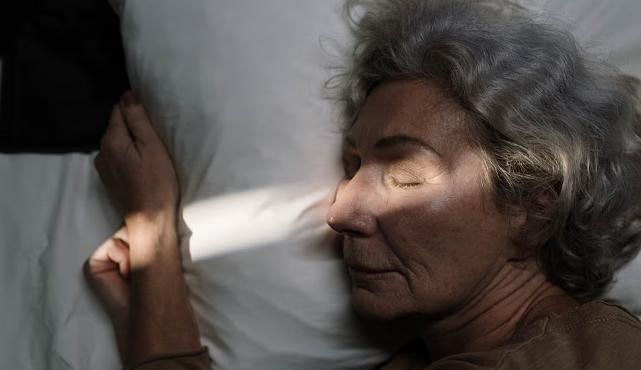
Exposure to light during sleep, including relatively low levels such as light from a phone screen or through a partially open door, has been linked to potentially harmful changes in the structure and function of the heart, according to a new study.
The research, published in the European Heart Journal, examined whether exposure to different levels of light at night was associated with changes in the heart several years later.
The study involved 11,071 people who were exposed to varying levels of nighttime light for one week. The levels ranged from near total darkness to light comparable with a phone screen at low brightness or light entering through a gap in a door.
Three years after the week of monitoring, participants underwent cardiovascular magnetic resonance scans. Researchers used the scans to assess the structure and function of their hearts.
Those exposed to the highest levels of nighttime light were more likely to show thickening of the walls of the heart’s left ventricle. The change reduced the space available inside the chamber. Researchers also identified signs that the heart had become less able to flex during a heartbeat, which can indicate early impairment in cardiac function.
Lu Qi of Tulane University in New Orleans, who led the research, said higher nighttime light exposure was associated with cardiac remodelling.
Cardiac remodelling refers to changes in the structure and function of the heart that can occur in response to prolonged stress or injury. Qi said the process can eventually weaken the heart and contribute to heart failure.
He said keeping bedrooms as dark as possible should be considered as one possible strategy for preventing cardiovascular disease.
The study’s findings were also discussed in an accompanying editorial by Professor Thomas Münzel of University Medical Center Mainz in Germany and colleagues. They argued that darkness should receive greater recognition as an important factor in cardiovascular health.
The researchers urged doctors to ask patients about their sleeping environments, including how dark their bedrooms are, whether they work night shifts and how much they use screens after sunset.
They suggested practical measures such as installing blackout curtains, choosing warmer-coloured bedside lighting and covering small standby lights on household electronics.
The editorial also highlighted the role of local authorities in reducing light pollution. Cities can use shielded lighting fixtures, warmer-spectrum bulbs and streetlights that dim or activate only when needed.
The authors said these measures could reduce unnecessary nighttime light exposure while also saving energy.
The researchers noted that the findings point to an association between nighttime light exposure and changes in heart structure and function, rather than proving that light exposure directly causes heart disease. Further research will be needed to understand the biological mechanisms involved and determine whether reducing nighttime light can lower cardiovascular risk.










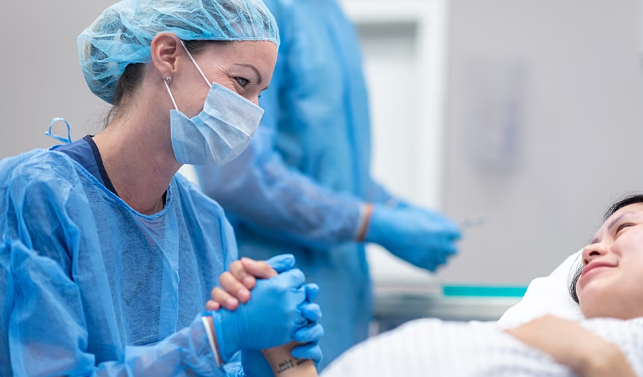
Mental health preparation before major surgery could improve recovery for older patients, according to a new study published in JAMA Network Open.
Researchers found that addressing anxiety, depression and medication use before surgery led to greater improvements in mental health three months after an operation than providing patients with educational materials alone.
“The stress of surgery can worsen anxiety and depression symptoms and affect patients’ recovery and overall health,” said Joanna Abraham, the study’s first author.
The researchers argue that preparation for major surgery should address both physical and psychological health. They said mental health support from trained professionals is often absent from standard care provided before and around surgery.
“We recognize the importance of getting the body into shape before surgery, but preparing the mind and the brain is just as important,” said senior author Eric J. Lenze.
The study involved 306 adults aged 60 and older who were scheduled to undergo cardiac, cancer-related or orthopaedic surgery. Participants were divided into two groups to assess whether additional mental health and medication support could improve outcomes.
One group received self-help educational materials that they could review independently. The other group took part in between eight and 12 telephone sessions with trained mental health professionals, including social workers and mental health counsellors.
Patients in the second group also received personalised medication reviews from pharmacists and doctors. The reviews focused on safely adjusting or reducing the use of high-risk medicines where appropriate.
Three months after surgery, patients who received the additional support experienced a reduction in depression and anxiety symptoms that was 2.2 to 2.5 points greater than the control group on a 48-point scale.
The strongest improvement was recorded among older adults undergoing cancer surgery. Their scores were nearly five points lower than those of patients who received educational materials alone.
Participants also reported positive experiences with the programme. Researchers said patients and healthcare providers found the additional support manageable and straightforward to fit into existing surgical care.
Michael S. Avidan, one of the study’s authors, said healthcare should take a broader approach by bringing anesthesiology and psychiatry together to treat patients as a whole.
Abraham said the findings suggest proactive mental health support does not necessarily require major changes to hospital systems.
“What makes this care model so promising is that it’s practical to deliver,” she said. “Patients and healthcare providers found the program manageable and easy to integrate into existing surgical workflows.”
The researchers said the findings support greater attention to psychological wellbeing as part of preparation for major operations, particularly among older adults facing complex procedures.

DNA recovered from medieval manuscripts has given scientists new clues about the long history of sheep pox, a highly contagious disease that has threatened livestock for thousands of years.
An international team led by researchers at University College Dublin discovered traces of sheep pox virus in parchment used for some of Europe’s historic manuscripts. The findings suggest that animal diseases may have left genetic records in old documents, providing scientists with another way to study how pathogens developed over time.
During the Middle Ages, parchment was commonly made from the treated skin of sheep, goats and cattle. Researchers extracted DNA from the animal skins used to produce centuries-old manuscripts and identified genetic material linked to the sheep pox virus.
The study involved geneticists, historians, virologists, protein chemists and conservation specialists. Louis L’Hôte, the study’s lead author, said the research showed that parchment could preserve DNA from animal pathogens and provide valuable evidence about infectious diseases in the past.
Among the manuscripts examined was the approximately 1,000-year-old York Gospels, considered one of the finest surviving illuminated manuscripts from the late Anglo-Saxon period. Researchers also examined the Corpus Glossary at Corpus Christi College in Cambridge, an early English dictionary, along with other medieval texts from Britain and continental Europe.
In some manuscripts, several pages contained sheep pox virus DNA. Researchers said this could indicate that animals infected with the disease were used to produce the parchment.
The team compared the genetic material recovered from the manuscripts with older DNA samples obtained from Bronze Age sheep teeth. Their analysis indicated that sheep pox has affected livestock for more than 3,700 years.
Sheep pox spreads quickly among animals and can infect a large proportion of a flock. The disease causes fever and skin lesions and can result in death. Outbreaks can also cause major financial losses through reduced milk production, damage to wool and hides, and restrictions on livestock trade.
There is no evidence that sheep pox infects humans.
The research, published in Science Advances, also provided insight into how the virus changed over time. Scientists found that the sheep pox virus genome remained relatively stable during the past several thousand years.
L’Hôte said the finding contrasts with the evolutionary history of some other pathogens, including smallpox. The stability of the sheep pox genome may indicate that important genetic changes occurred much earlier in the virus’s history and helped it adapt to sheep.
Researchers said the work could encourage scientists to examine other archives and libraries for genetic traces of historic animal diseases. Ancient DNA preserved in manuscripts could offer a new source of information about outbreaks that affected livestock and societies long before modern disease surveillance existed.


Zelenskyy Offers Putin Meeting at G20 as Russia and Ukraine Trade Strikes

One Killed, Three Injured After Vessel Struck in Strait of Hormuz

Sweden Votes in Tight Election as Far Right Eyes Government Role

One Dead, 102 Rescued After Indonesian Ferry Goes Missing in Rough Seas

Two Azerbaijani Sailors Killed in Drone Strike on Tugboat Near Odesa

Anthropic Reports AI Misuse in Cyberattacks, Propaganda and Biological Research

Study Links Nighttime Light Exposure to Changes in Heart Structure

Apple Unveils Foldable iPhone Duo as John Ternus Takes Charge

Mental Health Support Before Major Surgery May Improve Recovery, Study Finds

Spanish Researchers Develop Zinc-Air Battery Design That Raises Power Output by 80%

Meta Acquires Tilda Swinton VR Doc ‘Impulse: Playing With Reality’

China’s Historic Olympic Victory Sparks National Pride Amid Controversy

Saudi Arabia’s Model for Sustainable Aviation Practices

Recent Developments in Small Business Taxes

Effective Drain Cleaning: A Key to a Healthy Plumbing System

Who was Ebrahim Raisi and his status in Iranian Politics?

Keely Hodgkinson Wins Britain’s First Athletics Gold at Paris Olympics in 800m

Carrectly: Revolutionizing Car Care in Chicago

Nobel Laureate Muhammad Yunus Proposed as Head of Bangladesh’s Interim Government Following Hasina’s Resignation

Chinese Hackers Infiltrate Major U.S. Telecom Firms in Possible National Security Breach

Sony WF-10XM4: Headphones Are Our Absolute Favorite

10 Places You Can’t Miss If It’s Your First Time in European

New Census Data Will Shake Up Alabama Politics

16 Top of Our Favorite Outdoor Clothing Brands

Fashionable Summer Accessories to Dress Up Your Travel Look

How Sleeping Less than 7 Hours a Night Can Lead to Weight Gain
-
 Entertainment2 years ago
Meta Acquires Tilda Swinton VR Doc ‘Impulse: Playing With Reality’
-
 Sports2 years ago
China’s Historic Olympic Victory Sparks National Pride Amid Controversy
-
 Business2 years ago
Saudi Arabia’s Model for Sustainable Aviation Practices
-
 Business2 years ago
Recent Developments in Small Business Taxes
-
 Home Improvement2 years ago
Effective Drain Cleaning: A Key to a Healthy Plumbing System
-
 Politics2 years ago
Who was Ebrahim Raisi and his status in Iranian Politics?
-
 Sports2 years ago
Keely Hodgkinson Wins Britain’s First Athletics Gold at Paris Olympics in 800m
-
 Business2 years ago
Carrectly: Revolutionizing Car Care in Chicago