
Health
One in Three Young US Adults Uses AI for Drug Information, Study Finds


One in three young adults in the United States has used artificial intelligence chatbots to seek information about drugs and alcohol, raising concerns among researchers about the potential health risks of inaccurate or misleading advice.
A study published in JMIR Formative Research found that 32% of 995 adults aged 18 to 29 had used tools such as ChatGPT, Google Gemini and Meta AI to obtain information related to substance use.
Among those who used AI for this purpose, nearly half said they did so at least once a month. About 12% reported using chatbots for substance-related information weekly, while 4% said they used them daily or almost daily.
“Using these tools can lead to misinformed or otherwise risky substance-use behaviour among young people, who are the age group most affected by adverse effects of substance use,” said Mireia Triguero Roura, a postdoctoral researcher at Rutgers University and lead author of the study.
The survey was conducted online in April 2026. Researchers found that AI users were primarily seeking information about the risks and consequences of substance use. Nearly 93% of respondents who had asked chatbots substance-related questions cited this as a reason.
Around half sought information about specific substances, including questions about dosage, while 35% used AI to explore substance use disorders and addiction.
The findings suggest that chatbots are supplementing rather than replacing traditional online searches. Among respondents who had used AI for substance-related information, 93% had also used Google search for similar purposes.
Participants generally rated AI tools positively for helpfulness, reliability and trustworthiness. Those who used chatbots for substance-related questions gave them an average trustworthiness score of 3.66 out of five, compared with 3.51 for general use.
Researchers cautioned, however, that positive user perceptions do not establish whether chatbot responses are medically accurate or safe. Incorrect information about substances, their effects or appropriate responses to health risks could influence decisions and encourage harmful behaviour.
The study also identified differences in use according to race and sex. Black respondents had 2.52 times the adjusted odds of reporting substance-related AI use compared with white respondents. Male respondents had approximately twice the adjusted odds of female respondents.
Triguero Roura said these differences could reflect variations in access to healthcare, experiences of stigma, trust in health services and patterns of seeking health information.
The researchers said further studies are needed to assess the accuracy of chatbot answers to drug-related questions and determine how users interpret and act on the information they receive.
They also called for more research into why certain demographic groups are more likely to use AI for substance-related queries.
As generative AI becomes a more common source of information for young adults, the findings highlight the need to understand whether these tools can provide reliable health guidance and how potential risks can be reduced.


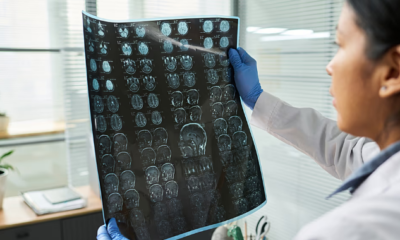










Drinking tea three or more times a week is associated with an 11.2 per cent lower risk of vascular disease, including stroke and heart attack, while consuming it at extremely high temperatures may increase the risk, according to a new study published in the Journal of Internal Medicine.
Researchers followed nearly 500,000 people in China for an average of nine years, tracking their tea consumption and the development of related illnesses. They found that regular tea drinkers had a lower overall risk of vascular disease than those who drank tea less frequently.
The strongest association was recorded for ischaemic stroke, with a 36.6 per cent lower risk among regular tea drinkers. The study also found a 19.1 per cent reduction in cerebrovascular disease risk.
However, the findings varied according to the type of tea, its strength and the temperature at which it was consumed.
Tea is made from the leaves of Camellia sinensis, an evergreen shrub native to East Asia. White, green, oolong, black and pu-erh teas all come from the same plant, with their flavours and chemical compositions shaped by processing and oxidation.
Researchers suggested that compounds found in tea, including polyphenols and flavonoids, could help explain the observed associations. These substances have antioxidant and anti-inflammatory properties and may support the function of the endothelium, the inner lining of blood vessels, which plays an important role in healthy circulation.
Black tea showed the strongest and most consistent association with lower vascular disease risk, followed by green tea. The researchers pointed to compounds such as theaflavins, which develop during tea processing and have been studied for their potential anti-inflammatory and lipid-regulating effects.
Participants typically drank between two and three cups daily, although the lowest associated risk was observed among those consuming six to eight cups a day. The researchers also found that moderately strong tea served at a temperature that was not scalding was associated with more favourable outcomes.
In contrast, drinking tea at extremely high temperatures was linked to a 16 per cent increase in vascular disease risk. Very hot beverages have also been associated with a higher likelihood of oesophageal cancer in previous research.
The protective association was observed across most demographic groups and appeared stronger among participants with obesity.
However, the researchers cautioned that the findings do not establish that tea itself prevents cardiovascular disease. The study was observational, meaning it identified associations rather than proving cause and effect.
Dell Stanford, senior dietitian at the British Heart Foundation, who was not involved in the research, said differences in participants’ diets and lifestyles could partly explain the results. She warned that the findings did not prove “that a daily cuppa protects your heart”.
The researchers stressed that tea should be considered part of a broader healthy lifestyle rather than a substitute for established prevention measures.
Cardiovascular disease remains the leading cause of illness and death in the European Union, accounting for about one in three deaths and affecting an estimated 62 million people.
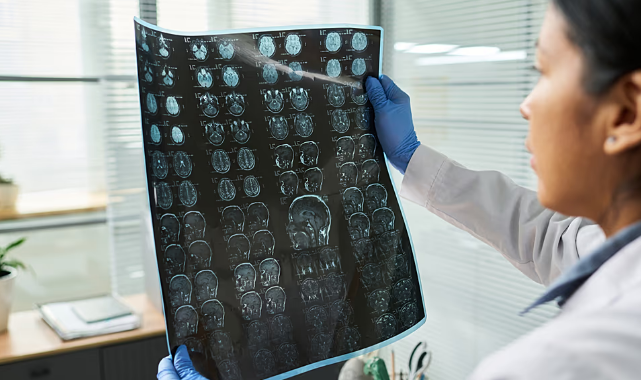
Researchers at the University of Technology Sydney (UTS) have developed an artificial intelligence model that analyses DNA to identify genetic factors associated with ischaemic stroke, potentially improving personalised prevention and treatment.
Stroke is the world’s second-leading cause of death. Ischaemic stroke, the most common type, occurs when a blood clot blocks blood flow to the brain.
The research team identified 18 genetic variants associated with an increased predisposition to ischaemic stroke. The findings could help doctors assess inherited risks more accurately and provide families with better information about their chances of developing the condition.
“When someone has a stroke, particularly at a young age, they often want to know whether other family members are also at risk,” said Kairui Guo, the study’s corresponding author. “These new AI tools will provide the ability to better help families understand that risk.”
Previous research has suggested that genetic factors account for approximately 38% of an individual’s stroke risk. Guo said genetics had traditionally received less attention in stroke risk assessments, despite their potential significance.
The researchers developed a model based on transformer technology, the same general approach used in large language models such as ChatGPT. It was trained on genetic variations to identify patterns and relationships linked to ischaemic stroke.
The model highlighted genes including EDEM2, which is active in the brain cortex, and KANK2, which is expressed in whole blood, as important contributors to genetic predisposition.
Researchers evaluated the system using two major medical datasets containing more than 40,000 people combined. It successfully divided individuals into low, medium and high genetic risk categories.
Over time, people classified in the high-risk group were 21% more likely to experience a first ischaemic stroke than those placed in the low-risk group.
The findings could help address limitations in existing methods for estimating inherited disease risk. Scientists have commonly used polygenic risk scores, which calculate genetic susceptibility by combining the effects of numerous genetic variations.
However, conventional scores can overlook interactions between genetic variations and the significance of their positions within a person’s DNA sequence. The new AI approach aims to account for such relationships when assessing risk.
Jie Lu, director of the Australian Artificial Intelligence Institute, said AI could identify associations between genes and diseases and support personalised risk assessments to help prevent serious medical events.
The next step is to develop a multimodal AI system that combines genetic information with other sources of data, including medical records, lifestyle surveys, scans and medical imaging.
Lu said genetic information was only one part of the overall picture. Combining it with established risk factors such as blood pressure, age, atrial fibrillation, type 2 diabetes and cholesterol levels could improve monitoring and prevention.
The researchers’ findings point towards a potential role for AI in more personalised stroke care, although further work would be needed before the technology could be adopted in routine clinical practice.

The European Trade Union Confederation (ETUC) is calling for menopause to be formally recognised in European Union workplace legislation, arguing that inadequate support is costing women earnings, career progression and pension income.
The confederation, which represents 45 million members across 41 European countries, wants employers to provide better workplace adjustments and protections for women experiencing menopause symptoms.
“Women’s work-related health risks remain largely ignored by the law, which remains orientated around male-dominated jobs,” said ETUC Deputy General Secretary Isabelle Schömann.
“It’s high time that the law caught up with the reality of the whole workforce today and the risks facing them,” she added.
The campaign comes as the European Parliament examines a report urging the EU to treat menopause as an economic, employment and social issue. The European Commission has acknowledged menopause in its wider gender equality agenda but has stopped short of proposing dedicated legislation or a separate EU strategy.
Menopause typically occurs between the ages of 45 and 55 and can affect women’s ability to work. Around 85% of women experience at least one symptom, while approximately 30% report symptoms that affect their capacity to work. These can include fatigue, sleep disruption, hot flushes, joint pain, anxiety and difficulty concentrating.
Research cited by the ETUC found that women’s earnings in Norway fell by 7.4% by the fourth year after a menopause diagnosis. Reduced working hours, sick leave and missed promotions contributed to the decline.
“Loss of pay, lost promotions, and lower pensions is the price being paid by millions of women for the failure to adapt work to the menopause,” Schömann said.
EU institutions face pressure to act
The European Commission’s Gender Equality Strategy 2026-2030, published in March, includes commitments to exchange national best practices on menstrual and menopause poverty. It also plans a study for 2028 examining the economic and social benefits of closing the women’s health gap, including menopause.
However, in November 2025, Equality Commissioner Hadja Lahbib said the Commission was not planning a dedicated menopause strategy, pointing instead to research supported through Horizon 2020 and Horizon Europe.
Spanish Socialist MEP Lina Gálvez is leading a draft European Parliament report titled Menopause beyond a health issue: turning menopause into an economic, working and social priority.
The report calls for a dedicated EU strategy, expanded research, public campaigns to challenge stigma, stronger workplace support and better access to healthcare. It is expected to receive further discussion in Parliament next year and has not yet become adopted EU policy.
Unions seek practical workplace changes
The ETUC wants workplace risk assessments to cover factors such as temperature, ventilation and facilities. It is also calling for flexible working hours, remote working options, management training and physical adjustments, including temperature controls and ergonomic equipment.
The confederation wants menopause policies to be negotiated with trade unions, implemented and monitored. It is also seeking free menstrual and menopause products in workplaces.
Schömann said the way work is organised can significantly affect women’s experience of menopause, adding that unions are already negotiating collective agreements covering workplace adjustments and flexible arrangements.
The campaign highlights growing pressure on EU institutions and employers to address menopause as a workplace issue, rather than treating it solely as a private medical concern.

One in Three Young US Adults Uses AI for Drug Information, Study Finds

GMO Internet to Compensate Customers After Cyberattack Triggers Unauthorised Trading

EU Accepts Temu’s Action Plan After €200 Million Fine Over Illegal Products

Musk Says SpaceX Restricted Ukraine’s Starlink Service Over Military Drone Use

Bulgaria Heads to Presidential Poll Amid Black Sea Security Concerns and Economic Pressures

Russia and Kazakhstan Sell Gold Reserves as Poland Continues Buying

Thousands Protest Cost of Living and Meloni Government Across Italy

French Parents Underestimate Children’s AI Use, YouGov Survey Finds

San Francisco Startup Claims Breakthrough in Turning Mercury Into Gold

Barclays to Cut 5,000 Jobs as AI Drives Efficiency Push

Meta Acquires Tilda Swinton VR Doc ‘Impulse: Playing With Reality’

China’s Historic Olympic Victory Sparks National Pride Amid Controversy

Saudi Arabia’s Model for Sustainable Aviation Practices

Recent Developments in Small Business Taxes

Effective Drain Cleaning: A Key to a Healthy Plumbing System

Who was Ebrahim Raisi and his status in Iranian Politics?

Keely Hodgkinson Wins Britain’s First Athletics Gold at Paris Olympics in 800m

Carrectly: Revolutionizing Car Care in Chicago

Nobel Laureate Muhammad Yunus Proposed as Head of Bangladesh’s Interim Government Following Hasina’s Resignation

Chinese Hackers Infiltrate Major U.S. Telecom Firms in Possible National Security Breach

Sony WF-10XM4: Headphones Are Our Absolute Favorite

10 Places You Can’t Miss If It’s Your First Time in European

New Census Data Will Shake Up Alabama Politics

16 Top of Our Favorite Outdoor Clothing Brands

Fashionable Summer Accessories to Dress Up Your Travel Look

How Sleeping Less than 7 Hours a Night Can Lead to Weight Gain
-
 Entertainment2 years ago
Meta Acquires Tilda Swinton VR Doc ‘Impulse: Playing With Reality’
-
 Sports2 years ago
China’s Historic Olympic Victory Sparks National Pride Amid Controversy
-
 Business2 years ago
Saudi Arabia’s Model for Sustainable Aviation Practices
-
 Business2 years ago
Recent Developments in Small Business Taxes
-
 Home Improvement2 years ago
Effective Drain Cleaning: A Key to a Healthy Plumbing System
-
 Politics2 years ago
Who was Ebrahim Raisi and his status in Iranian Politics?
-
 Sports2 years ago
Keely Hodgkinson Wins Britain’s First Athletics Gold at Paris Olympics in 800m
-
 Business2 years ago
Carrectly: Revolutionizing Car Care in Chicago
You must be logged in to post a comment Login