
Tech
ESA and GSMA Launch €100 Million Initiative to Advance Europe’s 6G and AI Ambitions


Europe has stepped up its push to lead in next-generation connectivity with a new partnership between the European Space Agency and the GSMA aimed at strengthening 6G and artificial intelligence capabilities through satellite-based communications.
The two organisations announced at the Mobile World Congress a joint funding programme worth up to €100 million to accelerate the integration of satellite and terrestrial mobile networks, known as non-terrestrial networks (NTN). The initiative marks one of Europe’s most significant public investments to date in hybrid satellite-mobile infrastructure.
Antonio Franchi, head of the 5G/6G NTN Programme Office at ESA, described connectivity as the backbone for unlocking advanced technologies. He said the funding would support the development of networks, services and digital tools that could benefit industries and society at large as digital transformation expands.
The programme is open to companies and organisations based in EU member states, which can apply by submitting formal proposals to ESA. Projects will be selected following an evaluation process.
Funding will focus on four core areas: artificial intelligence-driven management of multi-orbit satellite and ground networks; direct-to-device connectivity for smartphones and Internet of Things devices; collaborative 5G and 6G testing platforms; and early research into edge intelligence and advanced IoT systems.
The types of applications envisioned include telemedicine and telesurgery, autonomous driving systems and precision agriculture, all of which depend on reliable, high-capacity connectivity. By merging satellite coverage with mobile infrastructure, the initiative aims to extend high-speed communication even to remote regions.
Alex Sinclair, chief technology officer at GSMA, said combining the mobile industry’s global reach with ESA’s expertise in space technology would help usher in a new era of connectivity and deliver transformative benefits.
The move comes as global competition intensifies in satellite internet and advanced communications, with US companies currently holding a strong position. European officials say the continent’s strength in high-tech manufacturing and specialised software can offer an independent and competitive alternative.
Several European firms are showcasing their work under the programme at MWC, including Nokia, Filtronic, OQ Technology and MinWave Technologies. Demonstrations include live displays of hybrid network architectures and orchestration of satellite-terrestrial systems.
A centrepiece of the exhibition highlights Europe’s space ambitions through a mixed-reality model of ESA’s Argonaut lunar lander, designed to deliver cargo to the Moon. Visitors can remotely operate a training rover via a live satellite link, underscoring how Europe’s connectivity infrastructure is intended to support not only terrestrial innovation but also future lunar missions.








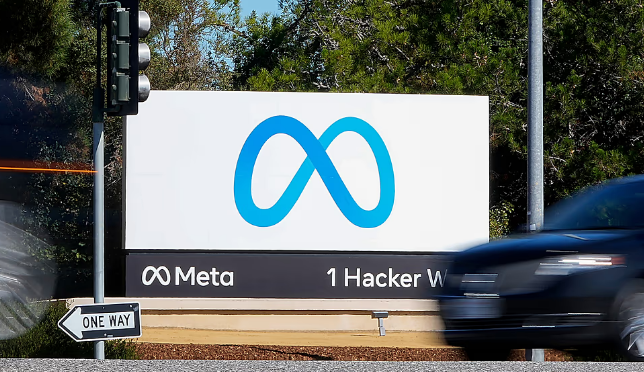
Meta’s apps collect more types of user data on average than applications from other major technology companies, according to research by cybersecurity and privacy company Surfshark.
The study analysed 171 apps available through Apple’s App Store that were developed by Meta, Google, Microsoft, Apple and Amazon. Researchers examined the types of information identified in each app’s privacy disclosures across 35 data categories.
Meta ranked highest, with its apps collecting an average of 25 out of 35 possible data types. Surfshark said this was more than three times the average recorded for some other major technology companies.
The categories examined included information such as browsing history, precise location, purchase details and other personal data that applications can collect or associate with users.
Seven of the apps identified among the most data-intensive were owned by Meta. They included Facebook, Messenger and Meta AI, as well as Meta Horizon, Meta Ads Manager, Meta Business Suite and Forum.
The findings put Meta well ahead of the other companies included in the analysis.
Google apps collected an average of 17 data types, according to Surfshark, while Amazon collected 12. Microsoft averaged eight types and Apple seven.
The research focuses on the number of data categories associated with each application rather than the volume of individual records collected from users. It also reflects information disclosed by developers through App Store privacy labels, which can vary according to how companies classify and report their data practices.
Meta operates some of the world’s most widely used digital platforms, including Facebook, Instagram, Messenger and WhatsApp. Its services rely heavily on advertising and personalised experiences, making user information an important part of its business model.
The findings are likely to renew questions about how much personal information consumers share when using popular social media and technology services.
Privacy concerns have increased as technology companies expand their use of artificial intelligence, targeted advertising and personalised recommendations. AI-powered applications can require access to additional information depending on their features and how users interact with them.
Surfshark’s analysis does not by itself establish whether any company has violated privacy laws or whether the data collected is used improperly. The number of data categories listed by an app also does not necessarily indicate how much information a particular user contributes.
However, the research highlights the differences in data collection practices among major technology companies.
The findings could encourage users to review application privacy settings and the information requested by apps before installing or continuing to use them.
As regulators and consumers place greater scrutiny on digital privacy, technology companies face increasing pressure to explain clearly what information they collect, why it is needed and how long it is retained.



Italy Demands German Funding as Migration Dispute Deepens Over Rescue Ships

Great Sea Interconnector Faces Delays as Turkey Dispute and Funding Problems Mount

Meta Apps Collect More User Data Than Other Big Tech, Study Finds

Three Killed in Private Helicopter Crash on Greek Island of Sifnos

US Judge Blocks Trump Administration Plan to Move FBI Headquarters to Reagan Building

FIRE Movement Gains Ground as Younger Workers Seek Financial Independence

Nvidia and Wall Street Firms Plan $500 Billion AI Financing Push

Study Reveals What Biological Ageing Tests Are Measuring Inside the Body

Four in 10 People Ignore Heat Alerts in England Despite Rising Health Risks

UK Condemns Netanyahu’s ‘Islamic Republic of Britain’ Remark

Meta Acquires Tilda Swinton VR Doc ‘Impulse: Playing With Reality’

China’s Historic Olympic Victory Sparks National Pride Amid Controversy

Saudi Arabia’s Model for Sustainable Aviation Practices

Recent Developments in Small Business Taxes

Effective Drain Cleaning: A Key to a Healthy Plumbing System

Who was Ebrahim Raisi and his status in Iranian Politics?

Keely Hodgkinson Wins Britain’s First Athletics Gold at Paris Olympics in 800m

Carrectly: Revolutionizing Car Care in Chicago

Nobel Laureate Muhammad Yunus Proposed as Head of Bangladesh’s Interim Government Following Hasina’s Resignation

Chinese Hackers Infiltrate Major U.S. Telecom Firms in Possible National Security Breach

Sony WF-10XM4: Headphones Are Our Absolute Favorite

10 Places You Can’t Miss If It’s Your First Time in European

New Census Data Will Shake Up Alabama Politics

16 Top of Our Favorite Outdoor Clothing Brands

Fashionable Summer Accessories to Dress Up Your Travel Look

How Sleeping Less than 7 Hours a Night Can Lead to Weight Gain
-
 Entertainment2 years ago
Meta Acquires Tilda Swinton VR Doc ‘Impulse: Playing With Reality’
-
 Sports2 years ago
China’s Historic Olympic Victory Sparks National Pride Amid Controversy
-
 Business2 years ago
Saudi Arabia’s Model for Sustainable Aviation Practices
-
 Business2 years ago
Recent Developments in Small Business Taxes
-
 Home Improvement2 years ago
Effective Drain Cleaning: A Key to a Healthy Plumbing System
-
 Politics2 years ago
Who was Ebrahim Raisi and his status in Iranian Politics?
-
 Sports2 years ago
Keely Hodgkinson Wins Britain’s First Athletics Gold at Paris Olympics in 800m
-
 Business2 years ago
Carrectly: Revolutionizing Car Care in Chicago