
Health
Vasectomy Gains Popularity Among Polish Men as Fertility Rates Fall


In Poland, vasectomy is emerging as a more popular method of permanent contraception among men, while female tubal ligation remains illegal on request. The trend comes amid growing concern over the country’s declining fertility rates and shifting attitudes toward family planning.
The State of the Young 2025 report found that 15 percent of adults born between 1995 and 2006 have no children and do not intend to have any. While permanent contraception options for men are increasingly sought, women in Poland have no equivalent choice: tubal ligation is prohibited except for strict medical reasons, and performing it on request can carry prison sentences of three to 20 years under Article 156-1 of the Penal Code.
Statistics on vasectomy in Poland are limited, as most procedures are carried out privately. It is estimated that around 5,000 vasectomies take place annually, with clinics advertising the services online and on roadside billboards. Mateusz Siwik, owner of a Warsaw clinic, told Euronews Health that interest in the procedure has been steadily growing, with year-on-year increases of around 15 percent. He said patients are socially diverse but often men in stable relationships with two or more children who have consciously decided to end family expansion.
One example is Kamil Pawelski, a psychologist and influencer who underwent vasectomy in 2020 after the birth of his second child. Pawelski said the decision was motivated by concern for his wife’s health and their mutual decision not to have more children. He noted that public reactions were mixed, with more criticism coming from men than women. “I think this is a very masculine decision,” he said, stressing that the procedure is only suitable for those certain about not having future children.
The restriction on female sterilisation has contributed to medical tourism, with Poles travelling to Germany, Czechia, and Slovakia for tubal ligation. Rafał Zadykowicz, an obstetrics and gynaecology specialist, said foreign gynaecologists are often surprised by the strict legal limits in Poland, where access is limited to medical necessity.
Vasectomy is increasingly preferred across Europe and North America due to its relative simplicity and low invasiveness. France has seen vasectomies rise from 1,940 in 2010 to over 30,000 in 2022, especially among men under 40. In Canada, 22 percent of women rely on their partner’s vasectomy, while rates in the UK, New Zealand, and South Korea range from 17 to 21 percent. In contrast, Italy sees only around 1 percent of men undergoing the procedure. No official figures exist for Poland, but interest is clearly rising.
Poland faces some of the lowest fertility rates globally. The total fertility rate fell to an estimated 1.10 children per woman in 2025, leaving the population at 37.3 million. Within the OECD, Poland ranks third from last, ahead of only Chile and South Korea. Social policy programmes offering financial support for children have been in place since 2016, but debates continue over why many young adults choose not to have children despite the incentives.









Novo Nordisk’s Wegovy weight-loss pill has gone on sale in German pharmacies, giving adults an alternative to the weekly injection already used to treat obesity.
The prescription-only tablet became available in Germany on September 1 following approval by European regulators in July. Germany is the first European country where the oral version of Wegovy is being marketed. Novo Nordisk described the launch as a major milestone for its obesity treatment business.
The tablet contains semaglutide, the same active ingredient used in the injectable form of Wegovy. The medicine works by mimicking a gut hormone involved in regulating appetite and increasing feelings of fullness, which can help people eat less.
Novo Nordisk expects the retail pharmacy price for the adult tablet to range from about €170 to €280. Unlike the injectable version, which is approved for some children aged 12 and above, the tablet is currently authorised only for adults.
Evidence supporting the European approval came largely from the OASIS-4 clinical trial. In the study, 205 participants received the semaglutide tablet, while another 102 were given a placebo. Adults taking the medicine lost an average of about 13.6 per cent of their body weight during the 64-week treatment period.
The weight reduction was lower than that recorded with injectable semaglutide in a separate study, where participants lost an average of 19 per cent. However, the injection trial lasted 72 weeks, giving participants eight additional weeks of treatment.
The tablet also carries potential side effects. Gastrointestinal problems such as nausea and diarrhoea are among the commonly reported reactions. In some cases, semaglutide can also cause inflammation of the pancreas.
The main difference for patients is how the medicine is taken. The tablet must be taken every day, while Wegovy injections are administered once a week.
Julia Szendrödi, president of the German Diabetes Association, said medication should be used alongside healthy eating and physical activity. She stressed that obesity treatments are designed to form part of a wider approach to managing a chronic disease rather than serving as a quick solution for weight control.
Szendrödi also called for stronger prevention measures, including clearer food labelling, improved nutritional standards for school meals and restrictions on advertising unhealthy food to children.
The launch comes as pharmaceutical companies compete for a rapidly expanding global obesity-drug market. Analysts expect the sector could generate about $100 billion in annual sales by 2030.
Novo Nordisk faces growing competition from rivals including Eli Lilly, which is expanding its own oral weight-loss treatment portfolio. In the UK, Eli Lilly’s Foundayo pill is scheduled to become available.
Wegovy and similar medicines are primarily intended for people with obesity, generally defined as a BMI of 30 or higher. They may also be prescribed to some people with a lower BMI when excess weight is linked to conditions such as type 2 diabetes or sleep apnoea.
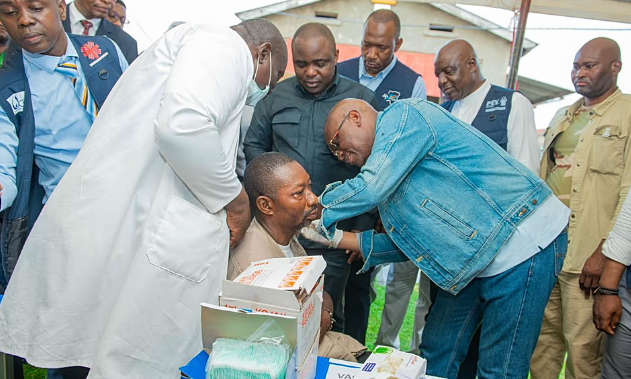
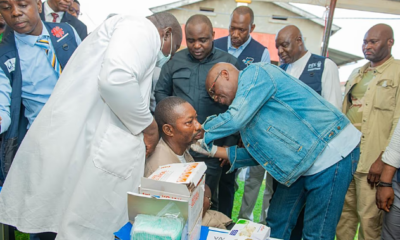
The Democratic Republic of Congo has begun vaccinating people against Ebola as authorities try to contain the country’s fastest-growing outbreak of the disease, while researchers continue testing a vaccine designed specifically for the strain responsible for the current crisis.
The vaccination campaign began on Thursday in Kisangani, the capital of Tshopo province. Health workers and other frontline responders are being prioritised for the Ervebo vaccine, which has previously been effective against outbreaks caused by the more common Zaire strain of Ebola.
Health Minister Roger Kamba said the first priority was to protect people working directly with Ebola patients and communities affected by the outbreak.
Government figures showed that, as of Tuesday, Congo had recorded 5,713 confirmed Ebola cases, including 2,744 deaths. The outbreak is concentrated mainly in Ituri province and has become the deadliest of the country’s 17 Ebola outbreaks.
The situation has been worsened by insecurity, population displacement, large movements of people and a strike by health workers. The World Health Organization has warned that the outbreak remains out of control and could surpass the 2014-2016 Ebola epidemic in West Africa, which killed more than 11,000 people, mainly in Guinea, Liberia and Sierra Leone.
70,000 vaccine doses approved
The WHO said 70,000 doses of Ervebo had been approved for use in Congo. More than 50,000 doses have already arrived, while another 20,000 doses are being allocated to a clinical trial examining whether the vaccine can provide protection against the Bundibugyo strain.
The current outbreak is caused by Bundibugyo virus, for which there is currently no licensed vaccine or treatment specifically approved for the strain.
Ervebo is being administered under a compassionate-use programme, allowing a medical product to be used in serious disease situations when it has not been specifically approved for the particular strain involved.
Health authorities believe the vaccine could offer some protection because the Bundibugyo and Zaire strains are related. However, researchers have yet to establish how effectively Ervebo can prevent illness caused by the current strain.
Placide Mbala Kingebeni, Africa CDC’s director for research, clinical trials and innovation, said information gathered during the vaccination campaign would help scientists assess the vaccine’s performance.
The campaign is expected to cover 14 health zones across Tshopo, Bas-Uele and Haut-Uele provinces. Kamba has urged health workers to receive the vaccine, saying it could help protect them and reduce the risk of transmission into their communities.
New vaccines under testing
Scientists are also working on vaccines specifically targeting Bundibugyo virus. The University of Oxford’s Vaccine Group and Moderna have begun human trials of new candidates.
Both programmes are currently in Phase I, where researchers assess safety, tolerability and the immune response generated by the vaccines.
The combined vaccination and research effort is intended to provide immediate protection for those most exposed to the outbreak while generating evidence that could help deliver a targeted vaccine for future Bundibugyo outbreaks.
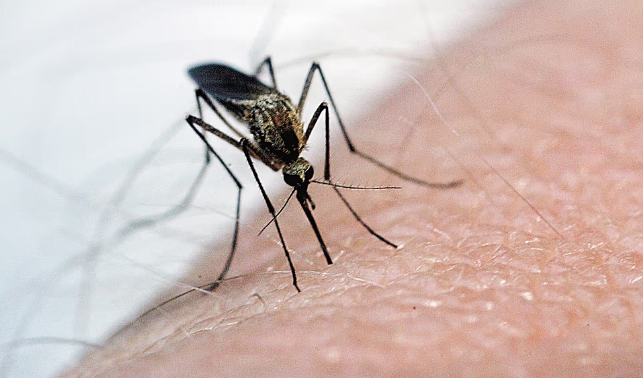
An 89-year-old man from Guadalema de los Quintero, an outlying district of Utrera in Spain’s Seville province, has died after developing meningoencephalitis caused by West Nile virus, becoming the second person to die from the infection in Andalusia this season.
The man had been receiving treatment at Virgen del Rocío Hospital in Seville since Monday. His death comes as health authorities continue to monitor an increase in West Nile virus infections across the region.
Andalusia has now recorded 54 human cases of West Nile fever this season. Of these, 37 have been classified as mild, while 17 involved severe illness. Four patients remain in hospital, while the others have recovered or are recovering.
The first death linked to the virus this season was recorded on August 5. The victim was an 82-year-old resident of Dos Hermanas who also had underlying health conditions.
Seville remains at centre of outbreak
The Andalusian regional government has placed 27 municipalities, one district and one outlying settlement under health alerts following the detection of human infections or evidence that the virus is circulating among mosquitoes, birds or horses.
Most of the affected locations are in Seville province. They include Seville city, Dos Hermanas, Coria del Río, La Puebla del Río, Los Palacios y Villafranca and Guadalema de los Quintero.
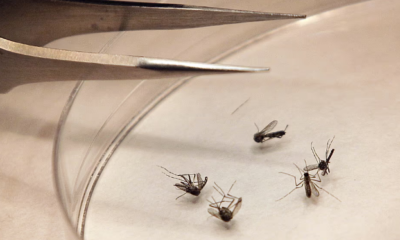
Recent surveillance has also found large numbers of female mosquitoes capable of transmitting West Nile virus in several municipalities, including La Puebla del Río, Los Palacios y Villafranca, Isla Mayor and Villamanrique de la Condesa.
Authorities are continuing mosquito monitoring and other measures to limit the spread of the infection, particularly in areas where virus activity has been detected.
What is West Nile virus?
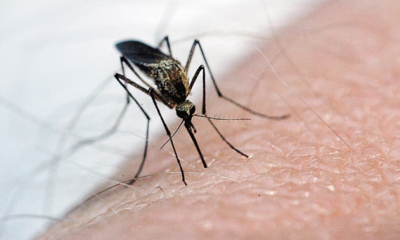
West Nile virus is mainly transmitted to people through bites from infected mosquitoes. Birds play an important role in maintaining the virus in nature, while mosquitoes can transmit it to humans and other animals.
The virus was first identified in Uganda in 1937 and later spread to other parts of the world. Warmer temperatures have contributed to conditions that can allow mosquitoes to remain active for longer periods, increasing opportunities for transmission.
Most people infected with West Nile virus do not develop symptoms. Those who become ill commonly experience fever, headache, muscle or joint pain, vomiting, diarrhoea or skin rashes.
In a small proportion of infections, the virus can cause serious neurological complications, including encephalitis and meningitis. Older adults and people with certain chronic health conditions face a greater risk of severe disease.
The latest death has renewed attention on the risks posed by the virus as Andalusian authorities continue monitoring affected communities and mosquito populations.

John Ternus Takes Over as Apple CEO After 15-Year Tim Cook Era

Taiwan’s AI Stock Boom Fuels Borrowing Frenzy as Investors Chase Big Gains

Wegovy Weight-Loss Pill Hits German Pharmacies at Up to €280

Shein Shares Slide on Hong Kong Debut as Tariffs Hit Fast-Fashion Business

Eurozone Inflation Jumps to 3.3% as Energy Costs Surge

White House Details Major Venezuela Oil Deal as US Secures Stake in Reserves

Google Maps Renames Lake Ontario ‘Lake America’ for US Users Amid Canada Trade Tensions

Trump Hails Major Venezuela Oil Deal as Questions Grow Over Terms

Oil Prices Rise as US-Iran Tensions Return and Rate Hike Bets Grow

Zurich Leads Europe as City-Centre Home Prices Soar Above €22,000 per Square Metre

Meta Acquires Tilda Swinton VR Doc ‘Impulse: Playing With Reality’

China’s Historic Olympic Victory Sparks National Pride Amid Controversy

Saudi Arabia’s Model for Sustainable Aviation Practices

Recent Developments in Small Business Taxes

Effective Drain Cleaning: A Key to a Healthy Plumbing System

Who was Ebrahim Raisi and his status in Iranian Politics?

Keely Hodgkinson Wins Britain’s First Athletics Gold at Paris Olympics in 800m

Carrectly: Revolutionizing Car Care in Chicago

Nobel Laureate Muhammad Yunus Proposed as Head of Bangladesh’s Interim Government Following Hasina’s Resignation

Chinese Hackers Infiltrate Major U.S. Telecom Firms in Possible National Security Breach

Sony WF-10XM4: Headphones Are Our Absolute Favorite

10 Places You Can’t Miss If It’s Your First Time in European

New Census Data Will Shake Up Alabama Politics

16 Top of Our Favorite Outdoor Clothing Brands

Fashionable Summer Accessories to Dress Up Your Travel Look

How Sleeping Less than 7 Hours a Night Can Lead to Weight Gain
-
 Entertainment2 years ago
Meta Acquires Tilda Swinton VR Doc ‘Impulse: Playing With Reality’
-
 Sports2 years ago
China’s Historic Olympic Victory Sparks National Pride Amid Controversy
-
 Business2 years ago
Saudi Arabia’s Model for Sustainable Aviation Practices
-
 Business2 years ago
Recent Developments in Small Business Taxes
-
 Home Improvement2 years ago
Effective Drain Cleaning: A Key to a Healthy Plumbing System
-
 Politics2 years ago
Who was Ebrahim Raisi and his status in Iranian Politics?
-
 Sports2 years ago
Keely Hodgkinson Wins Britain’s First Athletics Gold at Paris Olympics in 800m
-
 Business2 years ago
Carrectly: Revolutionizing Car Care in Chicago