
News
Flood Alert Issued in Elbląg as River Levels Surge

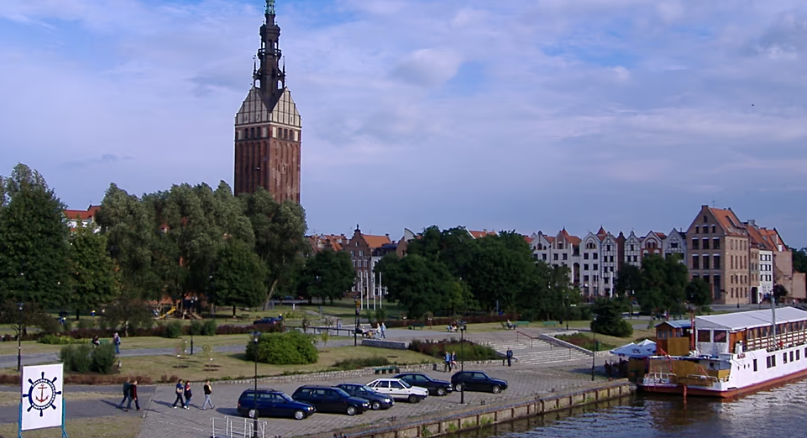
Polish authorities issued a flood alert in the northeastern city of Elbląg on Saturday night after water levels in the Elbląg River surpassed the warning threshold of 590 centimetres, Mayor Michał Missan said. The rise was driven by strong northwesterly winds that pushed water from the Vistula Lagoon upstream, creating a backwater effect that increased the risk of flooding along the river.
Emergency services responded by deploying flood barriers in vulnerable areas, while hydrological gauges throughout the region continued to register levels above the warning mark. Mayor Missan said that all relevant services remained on standby and that authorities were closely monitoring the situation. Residents were urged via social media to exercise caution, though no evacuation orders were issued.
The Polish Institute of Meteorology and Water Management also issued warnings for strong winds across the region, with icy conditions expected to persist and potentially complicate emergency operations. Authorities cautioned that the situation could change rapidly, and further interventions may become necessary if weather conditions worsen.
Elbląg sits along the eponymous river between Druzno Lake and the Vistula Lagoon and is part of Żuławy Wiślane, a Vistula River delta plain. Large sections of the area are below sea level, making it particularly vulnerable to flooding. Local officials have noted that the combination of wind-driven water movement and the city’s low-lying geography can quickly elevate flood risks.
Despite the heightened alert, no major flooding was reported overnight, and residents largely remained in their homes. Authorities emphasized that continuous monitoring and the deployment of temporary barriers were crucial to managing the rising waters and preventing damage to infrastructure.
Mayor Missan said the city’s preparedness measures were in place to respond quickly to any escalation, and he urged citizens to stay informed through official channels. Local emergency services maintained a visible presence throughout the night, checking critical points along the river and readying additional resources if needed.
The situation highlights the challenges faced by cities like Elbląg, where riverine and lagoon systems intersect, and weather patterns can rapidly influence water levels. Officials said the alert would remain in effect as long as the river levels remained high and wind conditions persisted.
Residents were reminded to avoid walking or driving near the riverbanks and to follow any guidance from municipal authorities. Authorities confirmed that contingency plans for potential evacuations were prepared, but at present, no large-scale displacement was necessary.
The flood alert serves as a precautionary measure aimed at safeguarding lives and property in an area historically prone to water-related hazards.







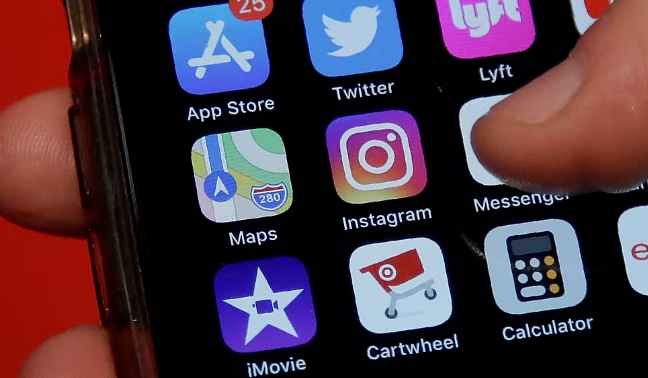
Smartphones and social media have become part of everyday life, but experts are increasingly examining what happens when digital habits become difficult to control. Behaviours such as doomscrolling, FOMO, nomophobia and problematic social media use are attracting growing attention as they begin to interfere with sleep, work, education, relationships and physical activity.
Not every person who spends hours online has an addiction. The key issue is whether someone can control their behaviour and whether excessive use causes significant problems in daily life.
Gaming disorder is currently the clearest example of a recognised digital condition. The World Health Organization includes it in the ICD-11 classification. It involves losing control over gaming, giving it greater priority than other activities and continuing to play despite harmful consequences. Symptoms generally need to persist for at least 12 months and cause substantial disruption to personal, social, educational or professional life.
Social media addiction is less clearly defined. It is not currently recognised as a separate ICD-11 diagnosis, but researchers often describe problematic social media use. Warning signs include repeatedly checking platforms, spending longer online than intended, becoming distressed when access is unavailable and neglecting other responsibilities.
A major WHO survey involving almost 280,000 adolescents aged 11, 13 and 15 across 44 countries and regions found that 11% showed signs of problematic social media use, up from 7% in 2018. The figure was 13% among girls and 9% among boys.
FOMO, or the fear of missing out, can also encourage repeated checking of messages, social networks and news. Researchers have linked FOMO with problematic online behaviour and difficulties managing emotions.
Doomscrolling describes repeatedly consuming negative news about wars, disasters, accidents and other crises. Although people may seek information to feel prepared, constant exposure to distressing material can increase anxiety and create a cycle of worry and further checking.
Nomophobia refers to anxiety associated with being without a mobile phone or losing access to digital connections. It is not an official medical diagnosis, but researchers are studying its relationship with FOMO, social media use and anxiety.
Other technology-related experiences include phantom vibration syndrome, where people believe their phone has vibrated when it has not, and sleep problems caused by late-night screen use.
The physical effects can also matter. Long periods on smartphones may contribute to inactivity, eye strain and neck or muscle discomfort.
Experts say the most important question is not simply how many hours someone spends on a phone. It is whether they can put it down and whether continued use is damaging other parts of their life.
When digital activity begins taking priority over sleep, work, study, relationships or physical activity, it may be time to reconsider how technology is being used.
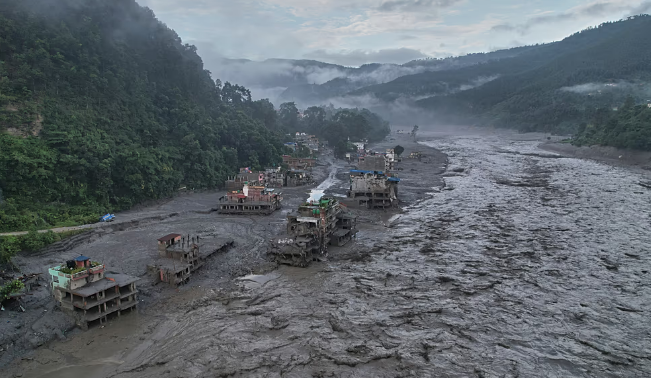
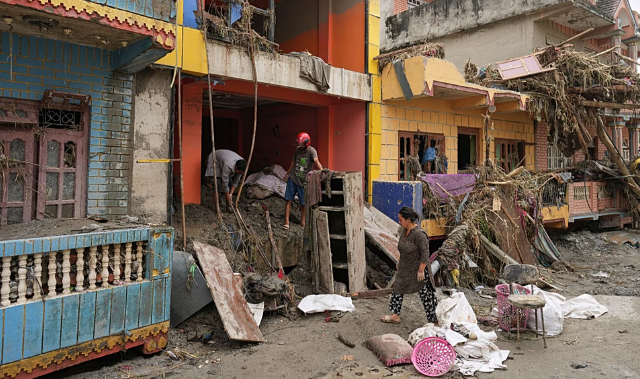
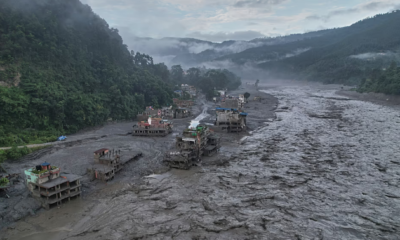
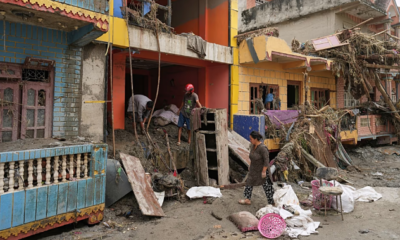
Rescuers in Nepal and China’s Tibet region are searching through mud and debris as the number of people missing after a devastating glacial flood approached 3,000, while authorities warned of further flooding in areas where emergency teams are working.
Emergency crews have recovered 633 bodies so far, with some victims reportedly carried downstream as far as India. The disaster is the deadliest to hit Nepal since the 2015 earthquake, according to the US Geological Survey, which said a glacial collapse triggered the enormous flow of ice, water, mud and debris.
Nepal’s disaster authority has added 933 hydropower workers to its missing persons list, alongside trekkers and pilgrims travelling toward Tibet’s sacred Mount Kailash.
The scale of the disaster has left families searching desperately for relatives. Hospitals in Kathmandu have been crowded with people looking for missing loved ones, while photographs and names have been displayed on posters around the facilities.
The search has also been complicated by the risk of additional flooding. Huge lakes formed after debris blocked waterways, and one such body of water became a direct threat to rescuers.
Nepali police warned emergency workers to move immediately to safer locations after receiving reports that another water barrier had burst on the Tibetan side.
China temporarily halted rescue operations in the worst-hit Gyirong area on Friday because of renewed flooding concerns. Chinese state broadcaster CCTV later reported that the threat had eased after the water level of a debris-formed lake fell, allowing rescue operations to resume.
Chinese President Xi Jinping chaired a meeting on the disaster and offered China’s assistance to Nepal’s emergency response.
In Nepal, military teams have been working to rescue people trapped inside the Trishuli 3A hydropower project. Army spokesman Raja Ram Basnet said helicopters had been sent to the area, but locating the tunnel entrances was difficult because of extensive destruction.
Around 350 workers and residents had been brought to safety from the site, while efforts continued to reach more than 100 people still trapped.
Survivors described the flood as striking with extraordinary speed. Buddha Tamang, a worker at one of the dams along the Trishuli valley, said he survived because he was inside a tunnel when the water arrived. He said senior workers on the other side of the facility were swept away.
Aid has begun reaching some survivors, with makeshift army relief centres providing shelter and assistance. Children separated from their families are also being housed while authorities work to reunite them with relatives.
UNICEF said at least 17,000 children urgently need humanitarian assistance. Eighteen schools have been destroyed and another 20 damaged.
The International Red Cross estimates that at least 93,000 people have been affected and require significant assistance.
The European Union has pledged €2 million in emergency aid for Nepal. European Commission President Ursula von der Leyen said the funding would help provide life-saving assistance to families and communities most severely affected.
With thousands still missing and unstable water bodies threatening rescue areas, authorities face a race against time to find survivors while preventing further loss of life.

Europe Faces Prolonged High Fuel Prices as Diesel Supplies Tighten

Medieval Manuscripts Reveal Thousands-Year History of Deadly Sheep Virus

Berlin Administration Hit by Massive Data Leak After Ransom Demand

IFA 2026 Showcases AI-Powered Homes Designed to Make Daily Life Easier

North African Dust Set to Worsen Air Quality Across Portugal

New Zealand Approves MDMA Treatment for Severe PTSD Under Strict Medical Controls

White House Launches Arcade Games Promoting Trump Policies, Drawing Criticism

US Imposes Tariffs of Up to 100% on Drones as Washington Targets Chinese Supply Chains

Gen Z Workplace Readiness Gap Grows as Managers Question Young Workers’ Skills

TDK to Debut Smart Javelin With Real-Time Performance Tracking in Budapest

Meta Acquires Tilda Swinton VR Doc ‘Impulse: Playing With Reality’

China’s Historic Olympic Victory Sparks National Pride Amid Controversy

Saudi Arabia’s Model for Sustainable Aviation Practices

Recent Developments in Small Business Taxes

Effective Drain Cleaning: A Key to a Healthy Plumbing System

Who was Ebrahim Raisi and his status in Iranian Politics?

Keely Hodgkinson Wins Britain’s First Athletics Gold at Paris Olympics in 800m

Carrectly: Revolutionizing Car Care in Chicago

Nobel Laureate Muhammad Yunus Proposed as Head of Bangladesh’s Interim Government Following Hasina’s Resignation

Chinese Hackers Infiltrate Major U.S. Telecom Firms in Possible National Security Breach

Sony WF-10XM4: Headphones Are Our Absolute Favorite

10 Places You Can’t Miss If It’s Your First Time in European

New Census Data Will Shake Up Alabama Politics

16 Top of Our Favorite Outdoor Clothing Brands

Fashionable Summer Accessories to Dress Up Your Travel Look

How Sleeping Less than 7 Hours a Night Can Lead to Weight Gain
-
 Entertainment2 years ago
Meta Acquires Tilda Swinton VR Doc ‘Impulse: Playing With Reality’
-
 Sports2 years ago
China’s Historic Olympic Victory Sparks National Pride Amid Controversy
-
 Business2 years ago
Saudi Arabia’s Model for Sustainable Aviation Practices
-
 Business2 years ago
Recent Developments in Small Business Taxes
-
 Home Improvement2 years ago
Effective Drain Cleaning: A Key to a Healthy Plumbing System
-
 Politics2 years ago
Who was Ebrahim Raisi and his status in Iranian Politics?
-
 Sports2 years ago
Keely Hodgkinson Wins Britain’s First Athletics Gold at Paris Olympics in 800m
-
 Business2 years ago
Carrectly: Revolutionizing Car Care in Chicago