
Health
UK Cancer Care Disparities Highlighted in New Report


A recent report from Cancer Research UK reveals stark disparities in cancer care across the United Kingdom, with cancer death rates nearly 60% higher in the most deprived areas compared to wealthier regions. The analysis estimates that about 28,400 cancer deaths each year—roughly three in every 20—are linked to socioeconomic inequality.
The study found that nearly one in 10 cancer diagnoses is associated with neighborhood deprivation, measured by factors such as income, education, and access to services. Lung cancer accounts for almost half of these deprivation-related deaths.
“These figures are shocking and unacceptable,” said Ian Walker, Cancer Research UK’s executive director of policy and information. He pointed to disparities in cancer risks, delayed diagnoses, and limited access to treatment as key drivers of the problem.
Two major risk factors—smoking and obesity—are more prevalent in deprived areas. Smoking rates are three times higher in these communities, and nearly 40% of residents are classified as obese. Limited access to green spaces and healthy food further contributes to these health challenges.
The report also highlighted differences in cancer diagnosis and treatment. People in deprived areas are more likely to be diagnosed at later stages, reducing their chances of survival. For certain cancers, they are less likely to receive chemotherapy, surgery, or innovative treatments. In England, many patients in these areas wait 104 days—over three months—or longer to begin treatment after an urgent referral for suspected cancer.
Walker emphasized the importance of early diagnosis, which can significantly improve survival rates. To address these issues, the charity is urging the UK government to increase funding for cancer and prevention services in high-need areas, including smoking cessation programs and nationwide lung cancer screenings.
“Beating cancer must mean beating it for everybody,” Walker said, underscoring the need to close the care gap and ensure equal access to life-saving treatments across all communities.









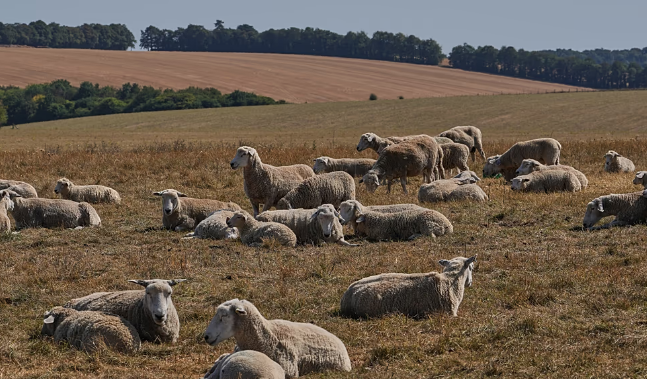
DNA recovered from medieval manuscripts has given scientists new clues about the long history of sheep pox, a highly contagious disease that has threatened livestock for thousands of years.
An international team led by researchers at University College Dublin discovered traces of sheep pox virus in parchment used for some of Europe’s historic manuscripts. The findings suggest that animal diseases may have left genetic records in old documents, providing scientists with another way to study how pathogens developed over time.
During the Middle Ages, parchment was commonly made from the treated skin of sheep, goats and cattle. Researchers extracted DNA from the animal skins used to produce centuries-old manuscripts and identified genetic material linked to the sheep pox virus.
The study involved geneticists, historians, virologists, protein chemists and conservation specialists. Louis L’Hôte, the study’s lead author, said the research showed that parchment could preserve DNA from animal pathogens and provide valuable evidence about infectious diseases in the past.
Among the manuscripts examined was the approximately 1,000-year-old York Gospels, considered one of the finest surviving illuminated manuscripts from the late Anglo-Saxon period. Researchers also examined the Corpus Glossary at Corpus Christi College in Cambridge, an early English dictionary, along with other medieval texts from Britain and continental Europe.
In some manuscripts, several pages contained sheep pox virus DNA. Researchers said this could indicate that animals infected with the disease were used to produce the parchment.
The team compared the genetic material recovered from the manuscripts with older DNA samples obtained from Bronze Age sheep teeth. Their analysis indicated that sheep pox has affected livestock for more than 3,700 years.
Sheep pox spreads quickly among animals and can infect a large proportion of a flock. The disease causes fever and skin lesions and can result in death. Outbreaks can also cause major financial losses through reduced milk production, damage to wool and hides, and restrictions on livestock trade.
There is no evidence that sheep pox infects humans.
The research, published in Science Advances, also provided insight into how the virus changed over time. Scientists found that the sheep pox virus genome remained relatively stable during the past several thousand years.
L’Hôte said the finding contrasts with the evolutionary history of some other pathogens, including smallpox. The stability of the sheep pox genome may indicate that important genetic changes occurred much earlier in the virus’s history and helped it adapt to sheep.
Researchers said the work could encourage scientists to examine other archives and libraries for genetic traces of historic animal diseases. Ancient DNA preserved in manuscripts could offer a new source of information about outbreaks that affected livestock and societies long before modern disease surveillance existed.



Europe Faces Prolonged High Fuel Prices as Diesel Supplies Tighten

Medieval Manuscripts Reveal Thousands-Year History of Deadly Sheep Virus

Berlin Administration Hit by Massive Data Leak After Ransom Demand

IFA 2026 Showcases AI-Powered Homes Designed to Make Daily Life Easier

North African Dust Set to Worsen Air Quality Across Portugal

New Zealand Approves MDMA Treatment for Severe PTSD Under Strict Medical Controls

White House Launches Arcade Games Promoting Trump Policies, Drawing Criticism

US Imposes Tariffs of Up to 100% on Drones as Washington Targets Chinese Supply Chains

Gen Z Workplace Readiness Gap Grows as Managers Question Young Workers’ Skills

TDK to Debut Smart Javelin With Real-Time Performance Tracking in Budapest

Meta Acquires Tilda Swinton VR Doc ‘Impulse: Playing With Reality’

China’s Historic Olympic Victory Sparks National Pride Amid Controversy

Saudi Arabia’s Model for Sustainable Aviation Practices

Recent Developments in Small Business Taxes

Effective Drain Cleaning: A Key to a Healthy Plumbing System

Who was Ebrahim Raisi and his status in Iranian Politics?

Keely Hodgkinson Wins Britain’s First Athletics Gold at Paris Olympics in 800m

Carrectly: Revolutionizing Car Care in Chicago

Nobel Laureate Muhammad Yunus Proposed as Head of Bangladesh’s Interim Government Following Hasina’s Resignation

Chinese Hackers Infiltrate Major U.S. Telecom Firms in Possible National Security Breach

Sony WF-10XM4: Headphones Are Our Absolute Favorite

10 Places You Can’t Miss If It’s Your First Time in European

New Census Data Will Shake Up Alabama Politics

16 Top of Our Favorite Outdoor Clothing Brands

Fashionable Summer Accessories to Dress Up Your Travel Look

How Sleeping Less than 7 Hours a Night Can Lead to Weight Gain
-
 Entertainment2 years ago
Meta Acquires Tilda Swinton VR Doc ‘Impulse: Playing With Reality’
-
 Sports2 years ago
China’s Historic Olympic Victory Sparks National Pride Amid Controversy
-
 Business2 years ago
Saudi Arabia’s Model for Sustainable Aviation Practices
-
 Business2 years ago
Recent Developments in Small Business Taxes
-
 Home Improvement2 years ago
Effective Drain Cleaning: A Key to a Healthy Plumbing System
-
 Politics2 years ago
Who was Ebrahim Raisi and his status in Iranian Politics?
-
 Sports2 years ago
Keely Hodgkinson Wins Britain’s First Athletics Gold at Paris Olympics in 800m
-
 Business2 years ago
Carrectly: Revolutionizing Car Care in Chicago