
Travel
Top Destinations for Day and Weekend Trips from Barcelona by Train

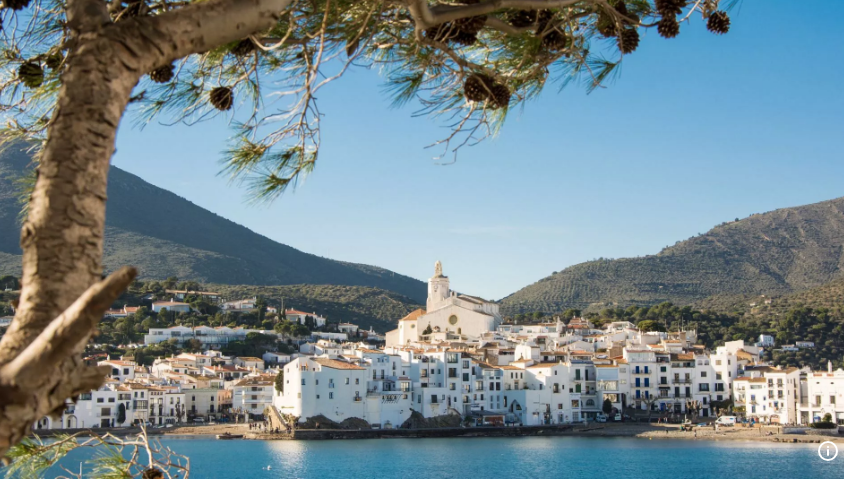
While Barcelona remains one of Spain’s most visited cities, its growing popularity has led to concerns about mass tourism, with protests against overcrowding becoming more frequent. Fortunately, there are plenty of scenic and culturally rich destinations just a short train ride away, offering a chance to escape the crowds while enjoying Spain’s diverse landscapes and heritage.
Here are some of the best day and weekend trips from Barcelona, all accessible via public transport.
Explore Dalí’s Surrealist World in Figueres
Art lovers can take a fast train to Figueres in under an hour to explore the works of surrealist master Salvador Dalí. The Dalí Theatre Museum, home to more than 1,500 of his pieces, is a must-visit for those interested in his unique artistic vision.
For a deeper insight into Dalí’s life, visitors can explore Casa Natal Salvador Dalí, his birthplace, which opened to the public in 2023. Those with extra time can venture to Cadaqués, a picturesque coastal town where Dalí’s summer home in Portlligat is located. The surrounding Cap de Creus Natural Park offers hiking trails through landscapes that inspired his artwork.
Savor Wine and Cava in the Penedès Region
Wine enthusiasts can hop on a 90-minute train ride southwest to the Penedès wine region, known for its stunning vineyards and world-renowned cava production.
The town of Sant Sadurní d’Anoia, Spain’s cava capital, offers tours and tastings at historic wineries like Freixenet and Codorníu. For a more immersive experience, visitors can rent an e-bike from Bikemotions, located at Lavern-Subirats station, and cycle through rolling vineyards, stopping at wineries along the way.
Discover Modernista Architecture in Reus
For architecture enthusiasts looking beyond Barcelona’s well-known Modernista buildings, Reus offers a quieter and more affordable alternative. Located two hours by train from Barcelona, the town is the birthplace of Antoni Gaudí, though his architectural influence is not present there.
Instead, Reus boasts stunning works by Lluís Domènech i Montaner, including Casa Navàs with its intricate stained glass and ornate designs, and L’Institut Pere Mata, a hidden gem of Modernist architecture.
Stroll Through the Historic Streets of Girona
Just 38 minutes by high-speed train, Girona is a perfect blend of medieval charm and modern vibrancy. The city’s Barri Vell (old town) features narrow streets, stone staircases, and a stunning Jewish Quarter, offering a glimpse into Spain’s medieval past.
Famous for its Game of Thrones filming locations, Girona remains a peaceful retreat even on weekends. Visitors can enjoy the colorful riverside houses along the Onyar River, explore the imposing Girona Cathedral, and walk along the city’s ancient walls for panoramic views.
Escape to the Pyrenees in Vall de Núria
For those seeking a weekend retreat in nature, Vall de Núria in the Pyrenees is an ideal getaway. A two-hour, 40-minute train ride to Ribes de Freser, followed by a historic rack railway journey, takes visitors over 1,000 meters into a breathtaking valley surrounded by towering peaks.
In winter, the area offers skiing and snowshoeing, while summer brings hiking trails through lush mountain landscapes. Accommodations are available at the sole hotel in Vall de Núria, with additional options in Ribes de Freser.
Hike Through Collserola Natural Park
For a quick escape into nature without leaving the city, Collserola Natural Park is a great option. Located just above Barcelona, it offers numerous hiking trails suitable for all levels.
Easily accessible via public transport, Collserola provides a tranquil retreat from the city, making it perfect for a half-day or full-day hike.
A Sustainable Way to Explore Catalonia
With efficient train connections to these destinations, travelers can enjoy Catalonia’s cultural and natural treasures while minimizing their environmental footprint. Whether seeking art, architecture, wine, or outdoor adventure, these trips offer the perfect escape from Barcelona’s bustling streets.





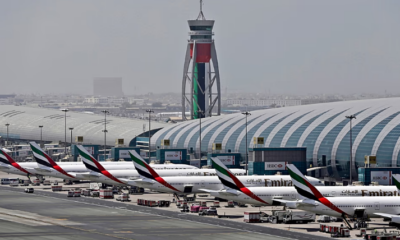

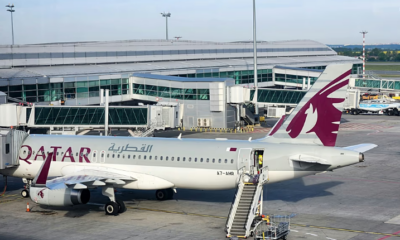



Scandinavian airline SAS has announced plans to cancel at least 1,000 flights in April as soaring fuel prices linked to the Middle East conflict continue to strain the aviation sector. The carrier said further cancellations are likely after the Easter period, when travel demand typically declines.
Chief executive Anko van der Werff said the rapid rise in jet fuel costs has created significant pressure on operations. Speaking to Swedish business daily Dagens Industri, he noted that fuel prices had doubled within ten days, describing the increase as a major shock for airlines already managing tight margins.
The airline said it had already begun scaling back services in March, with several hundred flights cancelled while attempting to minimise disruption to passengers. Most of these cancellations affected domestic routes in Norway, with only limited impact on services in Sweden and Denmark.
SAS operates roughly 800 flights per day, and the company stressed that the planned reductions represent a relatively small share of its total operations. Even so, executives said the measures are necessary to manage rising costs and maintain financial stability in an increasingly uncertain environment.
The surge in fuel prices follows a sharp increase in global oil markets. Brent crude oil has climbed to around $100 per barrel after tensions escalated following military action involving Iran. The situation has disrupted key supply routes, including the Strait of Hormuz, through which a significant share of global oil supplies normally passes.
SAS said it had already introduced fare increases to offset the rising cost of jet fuel, joining other international carriers taking similar steps. Airlines including Air France-KLM, Cathay Pacific, Air India and Qantas have also raised ticket prices in response to higher operating costs.
In addition to pricing adjustments, many airlines have reduced or suspended services to parts of the Middle East due to security concerns, while rerouting flights to avoid affected airspace. These changes have increased travel times and operational expenses, adding further pressure on ticket prices.
Industry analysts say passengers may continue to face higher fares in the coming months, even if tensions ease. Increased demand for alternative routes that bypass the Middle East is also contributing to rising costs.
SAS said it is taking steps to strengthen its resilience, including short-term schedule adjustments, as it navigates the ongoing volatility in global energy markets and the broader impact of geopolitical tensions on the aviation industry.
Many of the world’s most famous cities grew gradually over centuries, with layers of history shaping their streets and architecture. Ancient structures often stand alongside modern skyscrapers, creating striking contrasts. Yet these historic layouts can sometimes struggle to meet the needs of modern urban life.
For that reason, several countries have chosen to build cities from scratch, carefully designing them to serve as political and administrative centres. These purpose-built capitals allow planners to create organized layouts with space for housing, transport, public services and government institutions.
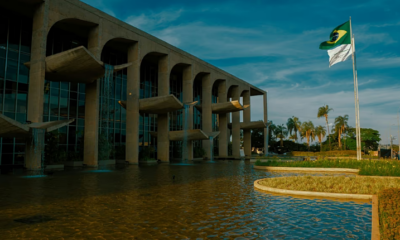
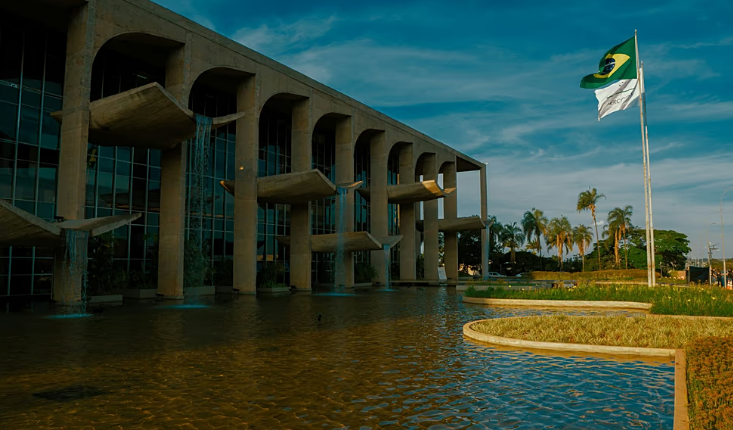
One of the most famous examples is Brasília. The city officially became the capital of Brazil in 1960 after the government decided to move the seat of power away from coastal Rio de Janeiro. Built in the country’s interior, Brasília was designed with a distinctive modernist layout and has become an architectural landmark. Notable sites include the Metropolitan Cathedral and the National Congress complex. In 1987 the city received recognition as a UNESCO World Heritage Site for its role in modern urban planning.
Another planned capital is Canberra. Located between the rival cities of Sydney and Melbourne, Canberra was chosen in the early 20th century as a compromise between the two. Construction began in 1912 following a design competition. Today the city has a population of about half a million and is known for its national museums, art galleries and cultural institutions.
In the Pacific, Wellington developed as the political centre of New Zealand after the capital moved from Auckland in the 19th century. While the city was not built entirely from scratch, its modern layout was planned using grid patterns designed in 1840 by surveyor William Mein Smith. Wellington is widely regarded as the country’s cultural hub and hosts major institutions such as the New Zealand Symphony Orchestra and the Royal New Zealand Ballet.
South Asia also features a purpose-built capital in Islamabad. The city was constructed during the 1960s and officially became the capital of Pakistan in 1967, replacing Karachi. Its location near Rawalpindi was chosen partly because of its proximity to military headquarters. Islamabad today has more than one million residents and includes landmarks such as Faisal Mosque and the Pakistan Monument.
Another modern capital is Naypyidaw, where construction began in 2002 before it replaced Yangon as the administrative centre in 2005. Despite its vast roads and large government complexes, the city has a relatively small population, giving it a reputation for unusually quiet streets.
In Central America, Belmopan became the capital after a hurricane devastated Belize City in 1961. The new inland capital was officially established in 1970 and now serves as the country’s administrative centre.
The newest planned capital is Ciudad de la Paz. Located in mainland Equatorial Guinea, the city was declared the country’s capital in January this year. Designed to house about 200,000 residents, it remains sparsely populated and is often described as unusually quiet compared with older capital cities.
Together, these cities illustrate how governments have attempted to reshape urban development by creating capitals designed specifically for modern governance and future growth.

Genetic Differences May Shape Effectiveness of Popular Weight-Loss Drugs, Study Finds

Seven-Day Meditation Retreat Linked to Measurable Changes in Brain and Body, Study Finds

Fuel Prices Surge Across Europe as Middle East Crisis Pushes Oil Above $100

Oil Prices Surge as Strait of Hormuz Closure Shakes Markets

Britain and Norway Step Up Naval Patrols to Protect Undersea Infrastructure from Russia

Meta Launches Muse Spark, Its First Major AI Model in Nine Months

Fresh Attacks Reported Across Gulf Despite US-Iran Ceasefire Announcement

Sweden Accuses Iran of Using Criminal Gangs to Target Dissidents as Teenagers Face Trial

US-Iran Ceasefire Eases Tensions as Europe Reacts; US Politics Spill Into Hungary Vote

ENI and Egypt Announce Major Gas Discovery Amid Rising Energy Costs

Meta Acquires Tilda Swinton VR Doc ‘Impulse: Playing With Reality’

Saudi Arabia’s Model for Sustainable Aviation Practices

Recent Developments in Small Business Taxes

Effective Drain Cleaning: A Key to a Healthy Plumbing System

Who was Ebrahim Raisi and his status in Iranian Politics?

China’s Historic Olympic Victory Sparks National Pride Amid Controversy

Carrectly: Revolutionizing Car Care in Chicago

Keely Hodgkinson Wins Britain’s First Athletics Gold at Paris Olympics in 800m

Saudi Arabia: Foreign Direct Investment Rises by 5.6% in Q1

Chinese Hackers Infiltrate Major U.S. Telecom Firms in Possible National Security Breach

Sony WF-10XM4: Headphones Are Our Absolute Favorite

10 Places You Can’t Miss If It’s Your First Time in European

New Census Data Will Shake Up Alabama Politics

16 Top of Our Favorite Outdoor Clothing Brands

Fashionable Summer Accessories to Dress Up Your Travel Look

How Sleeping Less than 7 Hours a Night Can Lead to Weight Gain
-
 Entertainment2 years ago
Meta Acquires Tilda Swinton VR Doc ‘Impulse: Playing With Reality’
-
 Business2 years ago
Saudi Arabia’s Model for Sustainable Aviation Practices
-
 Business2 years ago
Recent Developments in Small Business Taxes
-
 Home Improvement1 year ago
Effective Drain Cleaning: A Key to a Healthy Plumbing System
-
 Politics2 years ago
Who was Ebrahim Raisi and his status in Iranian Politics?
-
 Sports2 years ago
China’s Historic Olympic Victory Sparks National Pride Amid Controversy
-
 Business2 years ago
Carrectly: Revolutionizing Car Care in Chicago
-
 Sports2 years ago
Keely Hodgkinson Wins Britain’s First Athletics Gold at Paris Olympics in 800m