
Travel
Discover the Magic of East Africa – A Journey Worth Taking

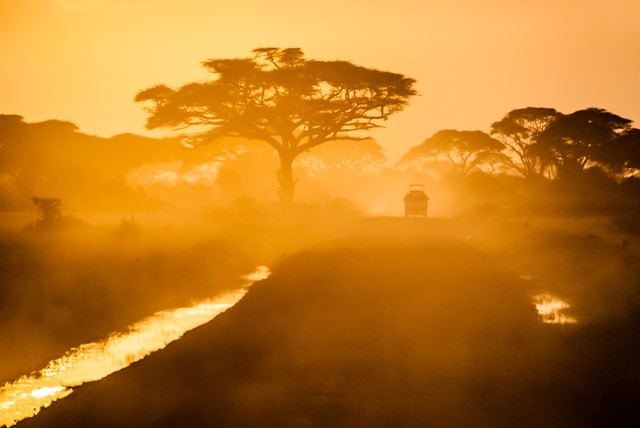
Traveling to East Africa offers a unique blend of breathtaking landscapes, rich cultures, and extraordinary wildlife. This region, encompassing countries such as Kenya, Tanzania, Uganda, and Rwanda, presents a tapestry of experiences that cater to every type of traveler. Whether you’re an adventure seeker, a wildlife enthusiast, or a cultural explorer, East Africa has something special to offer.
Unmatched Wildlife Experiences
One of the most compelling reasons to visit East Africa is its unparalleled wildlife. The region is home to some of the world’s most famous national parks and game reserves, such as the Serengeti, Maasai Mara, and Amboseli. Here, you can witness the Great Migration, one of nature’s most spectacular events, where millions of wildebeest, zebras, and antelopes move across the plains in search of fresh grazing. Safaris in East Africa provide the opportunity to see the Big Five – lions, elephants, buffalo, leopards, and rhinos – in their natural habitat, an experience that is both thrilling and humbling.
Stunning Natural Landscapes
East Africa boasts a diverse range of landscapes that are as stunning as they are varied. From the snow-capped peaks of Mount Kilimanjaro, the highest mountain in Africa, to the lush rainforests of Uganda and Rwanda, the region’s natural beauty is awe-inspiring. The Great Rift Valley, with its dramatic escarpments and numerous lakes, offers breathtaking vistas and unique geological formations. Pristine beaches along the Indian Ocean coastline, such as those in Zanzibar and Mombasa, provide perfect spots for relaxation and water sports.
Rich Cultural Heritage
The cultural heritage of East Africa is incredibly rich and diverse. Each country and community has its own unique traditions, languages, and customs. Visiting local villages allows travelers to experience traditional dances, music, and crafts, offering a deeper understanding of the region’s history and way of life. The Maasai people of Kenya and Tanzania, with their distinctive red attire and intricate beadwork, are one of the most recognized cultural groups in the world. Participating in a cultural tour or staying in a community-based lodge can provide meaningful interactions and insights into the daily lives of East Africans.
Adventure and Outdoor Activities
For those seeking adventure, East Africa is a playground of outdoor activities. Hiking enthusiasts can tackle Mount Kilimanjaro or explore the numerous trails in the Usambara and Rwenzori Mountains. Water sports such as snorkeling, diving, and kite surfing are popular along the East African coast. Lake Victoria and Lake Tanganyika offer opportunities for boating, fishing, and bird watching. Additionally, the region’s national parks and reserves are perfect for hiking, camping, and experiencing the wild up close.
Conservation Efforts and Ecotourism
East Africa is at the forefront of wildlife conservation and ecotourism. Many national parks and reserves are involved in conservation projects aimed at protecting endangered species and preserving natural habitats. By visiting these areas, travelers can contribute to these efforts, supporting local communities and helping to ensure that future generations can enjoy the region’s natural wonders. Eco-lodges and sustainable tourism practices are increasingly common, providing environmentally conscious travelers with options that minimize their impact on the environment.
Unique Travel Experiences
East Africa offers travel experiences that are truly unique. Tracking mountain gorillas in the misty mountains of Uganda and Rwanda is a once-in-a-lifetime encounter. Hot air balloon safaris over the Serengeti or Maasai Mara provide a bird’s-eye view of the stunning landscapes and wildlife below. Cultural festivals, such as the Zanzibar International Film Festival or the Lake Turkana Festival, offer vibrant celebrations of local arts and traditions. Each journey in East Africa is filled with memorable moments and discoveries. When looking for africa tours, it’s a good idea to make sure you get a good, reliable travel agency or tour company to make sure your trip is logistically hassle-free and safe.
Conclusion
Traveling to East Africa is a journey into the heart of some of the world’s most magnificent natural and cultural treasures. The region’s extraordinary wildlife, stunning landscapes, rich cultural heritage, and commitment to conservation make it a destination like no other. Whether you are seeking adventure, relaxation, or a deep cultural experience, East Africa promises an unforgettable travel experience. Embrace the magic of East Africa and discover why it’s worth every moment spent exploring this incredible part of the world.



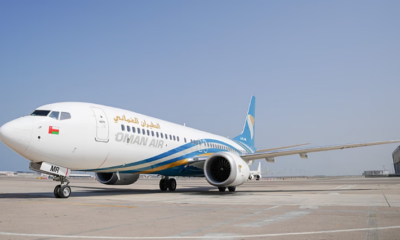

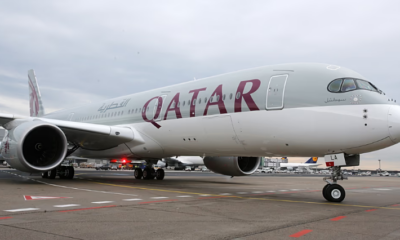

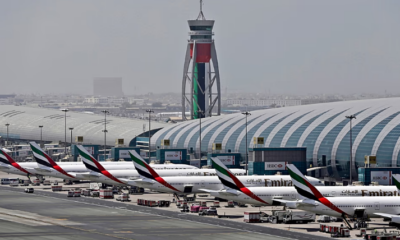

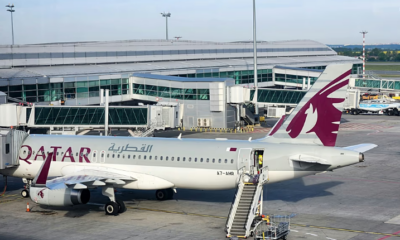


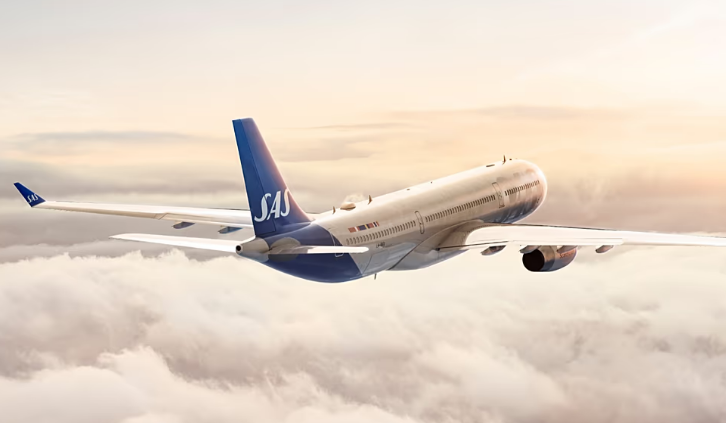
Scandinavian airline SAS has announced plans to cancel at least 1,000 flights in April as soaring fuel prices linked to the Middle East conflict continue to strain the aviation sector. The carrier said further cancellations are likely after the Easter period, when travel demand typically declines.
Chief executive Anko van der Werff said the rapid rise in jet fuel costs has created significant pressure on operations. Speaking to Swedish business daily Dagens Industri, he noted that fuel prices had doubled within ten days, describing the increase as a major shock for airlines already managing tight margins.
The airline said it had already begun scaling back services in March, with several hundred flights cancelled while attempting to minimise disruption to passengers. Most of these cancellations affected domestic routes in Norway, with only limited impact on services in Sweden and Denmark.
SAS operates roughly 800 flights per day, and the company stressed that the planned reductions represent a relatively small share of its total operations. Even so, executives said the measures are necessary to manage rising costs and maintain financial stability in an increasingly uncertain environment.
The surge in fuel prices follows a sharp increase in global oil markets. Brent crude oil has climbed to around $100 per barrel after tensions escalated following military action involving Iran. The situation has disrupted key supply routes, including the Strait of Hormuz, through which a significant share of global oil supplies normally passes.
SAS said it had already introduced fare increases to offset the rising cost of jet fuel, joining other international carriers taking similar steps. Airlines including Air France-KLM, Cathay Pacific, Air India and Qantas have also raised ticket prices in response to higher operating costs.
In addition to pricing adjustments, many airlines have reduced or suspended services to parts of the Middle East due to security concerns, while rerouting flights to avoid affected airspace. These changes have increased travel times and operational expenses, adding further pressure on ticket prices.
Industry analysts say passengers may continue to face higher fares in the coming months, even if tensions ease. Increased demand for alternative routes that bypass the Middle East is also contributing to rising costs.
SAS said it is taking steps to strengthen its resilience, including short-term schedule adjustments, as it navigates the ongoing volatility in global energy markets and the broader impact of geopolitical tensions on the aviation industry.

Many of the world’s most famous cities grew gradually over centuries, with layers of history shaping their streets and architecture. Ancient structures often stand alongside modern skyscrapers, creating striking contrasts. Yet these historic layouts can sometimes struggle to meet the needs of modern urban life.
For that reason, several countries have chosen to build cities from scratch, carefully designing them to serve as political and administrative centres. These purpose-built capitals allow planners to create organized layouts with space for housing, transport, public services and government institutions.
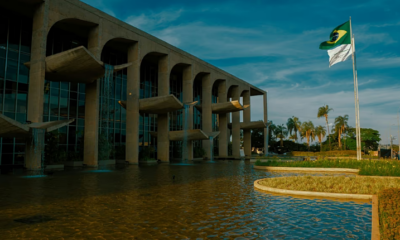
One of the most famous examples is Brasília. The city officially became the capital of Brazil in 1960 after the government decided to move the seat of power away from coastal Rio de Janeiro. Built in the country’s interior, Brasília was designed with a distinctive modernist layout and has become an architectural landmark. Notable sites include the Metropolitan Cathedral and the National Congress complex. In 1987 the city received recognition as a UNESCO World Heritage Site for its role in modern urban planning.
Another planned capital is Canberra. Located between the rival cities of Sydney and Melbourne, Canberra was chosen in the early 20th century as a compromise between the two. Construction began in 1912 following a design competition. Today the city has a population of about half a million and is known for its national museums, art galleries and cultural institutions.
In the Pacific, Wellington developed as the political centre of New Zealand after the capital moved from Auckland in the 19th century. While the city was not built entirely from scratch, its modern layout was planned using grid patterns designed in 1840 by surveyor William Mein Smith. Wellington is widely regarded as the country’s cultural hub and hosts major institutions such as the New Zealand Symphony Orchestra and the Royal New Zealand Ballet.
South Asia also features a purpose-built capital in Islamabad. The city was constructed during the 1960s and officially became the capital of Pakistan in 1967, replacing Karachi. Its location near Rawalpindi was chosen partly because of its proximity to military headquarters. Islamabad today has more than one million residents and includes landmarks such as Faisal Mosque and the Pakistan Monument.
Another modern capital is Naypyidaw, where construction began in 2002 before it replaced Yangon as the administrative centre in 2005. Despite its vast roads and large government complexes, the city has a relatively small population, giving it a reputation for unusually quiet streets.
In Central America, Belmopan became the capital after a hurricane devastated Belize City in 1961. The new inland capital was officially established in 1970 and now serves as the country’s administrative centre.
The newest planned capital is Ciudad de la Paz. Located in mainland Equatorial Guinea, the city was declared the country’s capital in January this year. Designed to house about 200,000 residents, it remains sparsely populated and is often described as unusually quiet compared with older capital cities.
Together, these cities illustrate how governments have attempted to reshape urban development by creating capitals designed specifically for modern governance and future growth.

Genetic Differences May Shape Effectiveness of Popular Weight-Loss Drugs, Study Finds

Seven-Day Meditation Retreat Linked to Measurable Changes in Brain and Body, Study Finds

Fuel Prices Surge Across Europe as Middle East Crisis Pushes Oil Above $100

Oil Prices Surge as Strait of Hormuz Closure Shakes Markets

Britain and Norway Step Up Naval Patrols to Protect Undersea Infrastructure from Russia

Meta Launches Muse Spark, Its First Major AI Model in Nine Months

Fresh Attacks Reported Across Gulf Despite US-Iran Ceasefire Announcement

Sweden Accuses Iran of Using Criminal Gangs to Target Dissidents as Teenagers Face Trial

US-Iran Ceasefire Eases Tensions as Europe Reacts; US Politics Spill Into Hungary Vote

ENI and Egypt Announce Major Gas Discovery Amid Rising Energy Costs

Meta Acquires Tilda Swinton VR Doc ‘Impulse: Playing With Reality’

Saudi Arabia’s Model for Sustainable Aviation Practices

Recent Developments in Small Business Taxes

Effective Drain Cleaning: A Key to a Healthy Plumbing System

Who was Ebrahim Raisi and his status in Iranian Politics?

China’s Historic Olympic Victory Sparks National Pride Amid Controversy

Carrectly: Revolutionizing Car Care in Chicago

Keely Hodgkinson Wins Britain’s First Athletics Gold at Paris Olympics in 800m

Saudi Arabia: Foreign Direct Investment Rises by 5.6% in Q1

Chinese Hackers Infiltrate Major U.S. Telecom Firms in Possible National Security Breach

Sony WF-10XM4: Headphones Are Our Absolute Favorite

10 Places You Can’t Miss If It’s Your First Time in European

New Census Data Will Shake Up Alabama Politics

16 Top of Our Favorite Outdoor Clothing Brands

Fashionable Summer Accessories to Dress Up Your Travel Look

How Sleeping Less than 7 Hours a Night Can Lead to Weight Gain
-
 Entertainment2 years ago
Meta Acquires Tilda Swinton VR Doc ‘Impulse: Playing With Reality’
-
 Business2 years ago
Saudi Arabia’s Model for Sustainable Aviation Practices
-
 Business2 years ago
Recent Developments in Small Business Taxes
-
 Home Improvement1 year ago
Effective Drain Cleaning: A Key to a Healthy Plumbing System
-
 Politics2 years ago
Who was Ebrahim Raisi and his status in Iranian Politics?
-
 Sports2 years ago
China’s Historic Olympic Victory Sparks National Pride Amid Controversy
-
 Business2 years ago
Carrectly: Revolutionizing Car Care in Chicago
-
 Sports2 years ago
Keely Hodgkinson Wins Britain’s First Athletics Gold at Paris Olympics in 800m