
News
Trump-Era Sanctions Cripple ICC’s Operations Amid War Crimes Probes and Misconduct Allegations

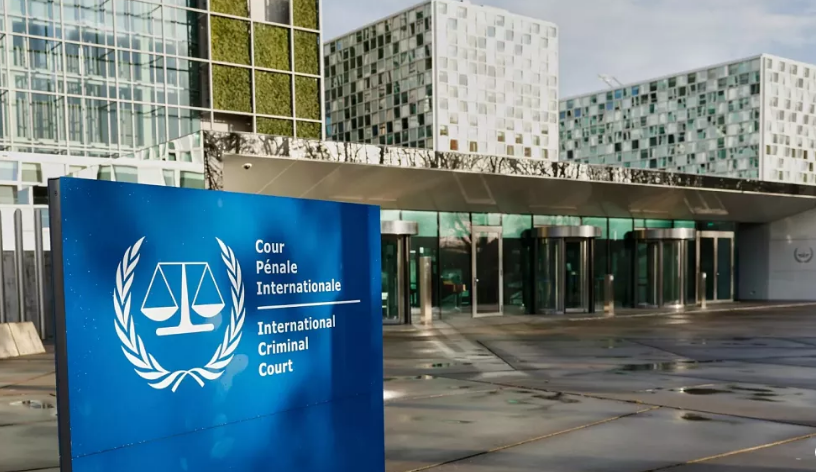
Sanctions imposed by former U.S. President Donald Trump on the International Criminal Court (ICC) and its senior officials have severely disrupted the tribunal’s ability to function, staff members say, complicating its mission to investigate and prosecute war crimes around the world.
The sweeping measures, issued via executive order in February, were introduced in response to the ICC’s controversial arrest warrants against Israeli Prime Minister Benjamin Netanyahu and former Defence Minister Yoav Gallant, announced in late 2024. The sanctions specifically targeted ICC Chief Prosecutor Karim Khan, barring him from entering the United States and freezing his personal assets.
ICC officials now report that the sanctions have gone beyond symbolic gestures, severely limiting their operational capabilities. Staff say basic tasks have become “near impossible,” with work across various investigations — including ongoing probes in Sudan and Ukraine — now effectively stalled.
The court’s chief prosecutor, Karim Khan, has reportedly lost access to essential services, including his official Microsoft email account. Additionally, several of his personal bank accounts in the United Kingdom have been blocked. The U.S. order threatens fines and prison time for individuals or institutions providing Khan with any financial, material, or technological support. American nationals working for the court have also been warned they may face arrest if they return to the U.S.
The investigation into war crimes in Sudan, including charges of genocide against former President Omar al-Bashir, has also been paused. The prosecutor overseeing the case, Eric Iverson, filed a lawsuit in the U.S. seeking legal protection from the sanctions. His attorney, Allison Miller, said the restrictions have made it impossible for him to perform “basic lawyer functions.”
Three lawsuits have been filed in U.S. courts by ICC-affiliated staff and consultants, arguing the sanctions infringe upon their constitutional rights, including freedom of expression.
The ICC’s challenges have been compounded by a separate scandal involving allegations of sexual misconduct against Khan himself. A Wall Street Journal report revealed accusations from a Malaysian staffer who alleged coercion and sexual assault across several ICC missions. Khan’s legal team has denied all claims, calling them “categorically untrue.”
Further scrutiny has followed, with allegations that Khan retaliated against staff members who supported the accuser. An internal UN oversight investigation into the claims is reportedly underway, with findings expected in the coming months.
As the ICC faces mounting external and internal pressures, its future credibility and capacity to pursue international justice may hang in the balance.

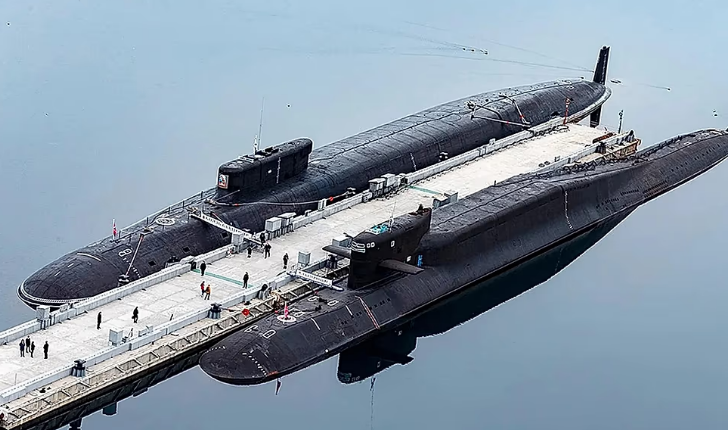
Britain and Norway have launched new joint naval patrols aimed at protecting undersea cables from Russia, with a combined fleet of at least 13 warships safeguarding critical infrastructure in the North Atlantic, officials said. The announcement follows discussions in December between UK Prime Minister Keir Starmer and Norwegian Prime Minister Jonas Gahr Støre on defense cooperation.
British Defence Secretary John Healey said on Thursday that the operation was designed to deter Russian submarines suspected of “malign activity” near undersea infrastructure north of the UK. A frigate, aircraft, and hundreds of personnel monitored a Russian attack submarine and two spy vessels during an operation lasting more than a month. Healey said the Russian ships eventually left the area.
His message to Moscow was clear: “We see your activity over our cables and our pipelines, and you should know that any attempt to damage them will not be tolerated and will have serious consequences.” Healey emphasized that while global attention is focused on conflicts in the Middle East, Russia remains the main threat to the UK and its allies.
British officials have highlighted the overlap between Russia’s support for Iran and its ongoing war in Ukraine. Tehran has provided Moscow with Shahed drones, which are now also manufactured in Russia under the designation Geran. Healey said, “Putin would want us to be distracted by the Middle East. We will not take our eyes off Putin.”
The UK has also prepared to seize ships suspected of being part of Russia’s “shadow fleet,” a flotilla of old oil tankers of unclear ownership designed to bypass international sanctions imposed over Moscow’s 2022 invasion of Ukraine. Previously, the UK only assisted France and the US in monitoring such vessels. Healey said, “We are ready to take action” against these ships.
Norwegian Defence Minister Tore O. Sandvik, who signed the joint naval agreement with Healey, said the patrols allow both countries to “defend themselves together.” The deployment builds on a £10 billion (€11 billion) deal for Norway to purchase at least five British-made frigates, which, together with eight British ships, will operate along NATO’s northern flank.
Russian naval activity near UK waters has reportedly risen by 30 percent over the past two years. NATO officials have also warned that attacks on undersea cables are among the “most active threats” to Western infrastructure. Acting Assistant Secretary General for Innovation, Hybrid, and Cyber, James Appathurai, said recent incidents in the Baltic Sea and elsewhere reflect Russia’s long-term undersea program, which includes research ships, submarines, unmanned vehicles, divers, and explosives targeting communications and energy pipelines.
The new UK-Norway patrols signal a heightened focus on securing vital maritime infrastructure amid rising geopolitical tensions and increasing Russian naval operations in European waters.

Genetic Differences May Shape Effectiveness of Popular Weight-Loss Drugs, Study Finds

Seven-Day Meditation Retreat Linked to Measurable Changes in Brain and Body, Study Finds

Fuel Prices Surge Across Europe as Middle East Crisis Pushes Oil Above $100

Oil Prices Surge as Strait of Hormuz Closure Shakes Markets

Britain and Norway Step Up Naval Patrols to Protect Undersea Infrastructure from Russia

Meta Launches Muse Spark, Its First Major AI Model in Nine Months

Fresh Attacks Reported Across Gulf Despite US-Iran Ceasefire Announcement

Sweden Accuses Iran of Using Criminal Gangs to Target Dissidents as Teenagers Face Trial

US-Iran Ceasefire Eases Tensions as Europe Reacts; US Politics Spill Into Hungary Vote

ENI and Egypt Announce Major Gas Discovery Amid Rising Energy Costs

Meta Acquires Tilda Swinton VR Doc ‘Impulse: Playing With Reality’

Saudi Arabia’s Model for Sustainable Aviation Practices

Recent Developments in Small Business Taxes

Effective Drain Cleaning: A Key to a Healthy Plumbing System

Who was Ebrahim Raisi and his status in Iranian Politics?

China’s Historic Olympic Victory Sparks National Pride Amid Controversy

Carrectly: Revolutionizing Car Care in Chicago

Keely Hodgkinson Wins Britain’s First Athletics Gold at Paris Olympics in 800m

Saudi Arabia: Foreign Direct Investment Rises by 5.6% in Q1

Chinese Hackers Infiltrate Major U.S. Telecom Firms in Possible National Security Breach

Sony WF-10XM4: Headphones Are Our Absolute Favorite

10 Places You Can’t Miss If It’s Your First Time in European

New Census Data Will Shake Up Alabama Politics

16 Top of Our Favorite Outdoor Clothing Brands

Fashionable Summer Accessories to Dress Up Your Travel Look

How Sleeping Less than 7 Hours a Night Can Lead to Weight Gain
-
 Entertainment2 years ago
Meta Acquires Tilda Swinton VR Doc ‘Impulse: Playing With Reality’
-
 Business2 years ago
Saudi Arabia’s Model for Sustainable Aviation Practices
-
 Business2 years ago
Recent Developments in Small Business Taxes
-
 Home Improvement1 year ago
Effective Drain Cleaning: A Key to a Healthy Plumbing System
-
 Politics2 years ago
Who was Ebrahim Raisi and his status in Iranian Politics?
-
 Sports2 years ago
China’s Historic Olympic Victory Sparks National Pride Amid Controversy
-
 Business2 years ago
Carrectly: Revolutionizing Car Care in Chicago
-
 Sports2 years ago
Keely Hodgkinson Wins Britain’s First Athletics Gold at Paris Olympics in 800m