
News
Climate Concerns Rise Over Sponsorships at 2026 Winter Olympics

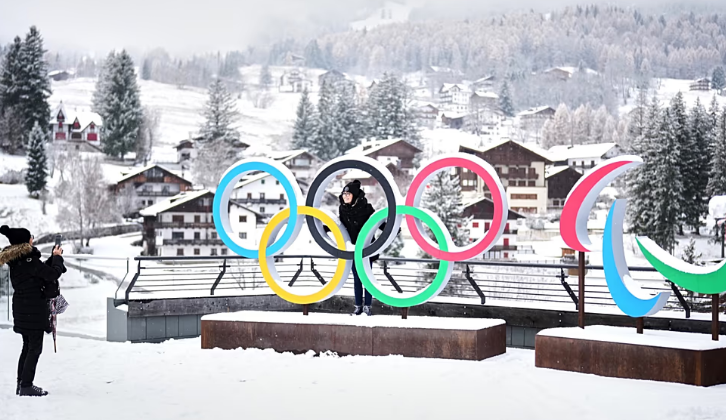
The 2026 Winter Olympics in northern Italy are facing mounting criticism over the environmental impact of their sponsorship deals, with scientists and athletes warning that the Games’ carbon footprint could threaten the future of winter sports.
A report by Scientists for Global Responsibility and the New Weather Institute, titled Olympics Torched, estimates that the Games themselves will produce around 930,000 tonnes of CO2 emissions. However, just three sponsorship agreements with major corporations could add 1.3 million tonnes more, more than doubling the total impact. The sponsors identified are oil and gas company Eni, car manufacturer Stellantis, and Italy’s national airline, ITA Airways, with Eni responsible for over half of the added emissions.
The report warns that the combined emissions could result in the loss of 5.5 square kilometres of snow cover in the Dolomites, equivalent to more than 3,000 Olympic-sized ice hockey rinks. Organisers have already announced plans to produce 2.4 million cubic metres of artificial snow for the Games, requiring 948,000 cubic metres of water, as warming temperatures continue to reduce natural snow and glaciers in the region.
“Even without the growing mountain of scientific evidence on the impact of global heating on winter sports, it is plain enough to anyone visiting actual mountains that snow cover is being lost and glaciers are melting,” said Stuart Parkinson, director of Scientists for Global Responsibility. He added that winter sports contribute directly to climate change through emissions and indirectly by promoting major polluters through sponsorship.
The report calls for urgent action, urging the Winter Olympics to end partnerships with high-carbon corporations, avoid new venue construction, and reduce spectator travel by air. Swedish cross-country skier Björn Sandström said the Games’ greatest influence is the signal they send to the world. “When that signal is driven by fossil-fuel sponsorship, it directly contradicts climate science and threatens the future of winter sport,” he said.
Greenlandic biathlete Ukalew Slettermark echoed the concern, arguing that giving oil companies a platform at the Games is unjustifiable. “It’s a complete contradiction when the fossil fuel industry, the biggest contributor to climate change, is allowed to sponsor winter sports, which they are simultaneously threatening,” she said.
The report also highlights broader environmental challenges in the Alps. Italy has lost 265 ski resorts in the past five years due to rising temperatures, and recent studies show mountain regions are warming faster than lowland areas, putting winter sports at risk.
The Milan-Cortina Olympics, spread across the Dolomites, have become a focal point for debates about climate responsibility in global sporting events. Critics say sponsorship deals with polluting corporations undermine efforts to promote sustainability and could damage the credibility of winter sports in a warming world.
Euronews Green has reached out to the International Olympic Committee for comment.
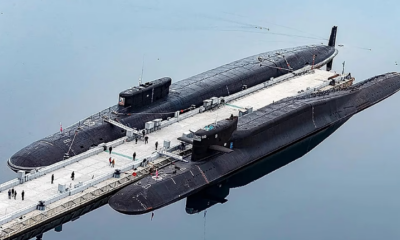

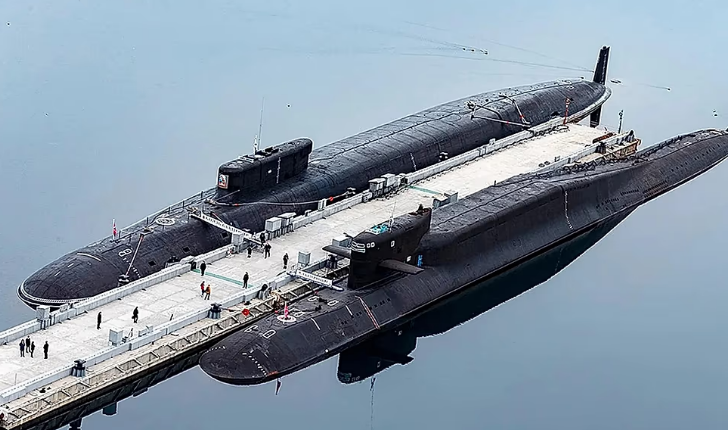
Britain and Norway have launched new joint naval patrols aimed at protecting undersea cables from Russia, with a combined fleet of at least 13 warships safeguarding critical infrastructure in the North Atlantic, officials said. The announcement follows discussions in December between UK Prime Minister Keir Starmer and Norwegian Prime Minister Jonas Gahr Støre on defense cooperation.
British Defence Secretary John Healey said on Thursday that the operation was designed to deter Russian submarines suspected of “malign activity” near undersea infrastructure north of the UK. A frigate, aircraft, and hundreds of personnel monitored a Russian attack submarine and two spy vessels during an operation lasting more than a month. Healey said the Russian ships eventually left the area.
His message to Moscow was clear: “We see your activity over our cables and our pipelines, and you should know that any attempt to damage them will not be tolerated and will have serious consequences.” Healey emphasized that while global attention is focused on conflicts in the Middle East, Russia remains the main threat to the UK and its allies.
British officials have highlighted the overlap between Russia’s support for Iran and its ongoing war in Ukraine. Tehran has provided Moscow with Shahed drones, which are now also manufactured in Russia under the designation Geran. Healey said, “Putin would want us to be distracted by the Middle East. We will not take our eyes off Putin.”
The UK has also prepared to seize ships suspected of being part of Russia’s “shadow fleet,” a flotilla of old oil tankers of unclear ownership designed to bypass international sanctions imposed over Moscow’s 2022 invasion of Ukraine. Previously, the UK only assisted France and the US in monitoring such vessels. Healey said, “We are ready to take action” against these ships.
Norwegian Defence Minister Tore O. Sandvik, who signed the joint naval agreement with Healey, said the patrols allow both countries to “defend themselves together.” The deployment builds on a £10 billion (€11 billion) deal for Norway to purchase at least five British-made frigates, which, together with eight British ships, will operate along NATO’s northern flank.
Russian naval activity near UK waters has reportedly risen by 30 percent over the past two years. NATO officials have also warned that attacks on undersea cables are among the “most active threats” to Western infrastructure. Acting Assistant Secretary General for Innovation, Hybrid, and Cyber, James Appathurai, said recent incidents in the Baltic Sea and elsewhere reflect Russia’s long-term undersea program, which includes research ships, submarines, unmanned vehicles, divers, and explosives targeting communications and energy pipelines.
The new UK-Norway patrols signal a heightened focus on securing vital maritime infrastructure amid rising geopolitical tensions and increasing Russian naval operations in European waters.

Genetic Differences May Shape Effectiveness of Popular Weight-Loss Drugs, Study Finds

Seven-Day Meditation Retreat Linked to Measurable Changes in Brain and Body, Study Finds

Fuel Prices Surge Across Europe as Middle East Crisis Pushes Oil Above $100

Oil Prices Surge as Strait of Hormuz Closure Shakes Markets

Britain and Norway Step Up Naval Patrols to Protect Undersea Infrastructure from Russia

Meta Launches Muse Spark, Its First Major AI Model in Nine Months

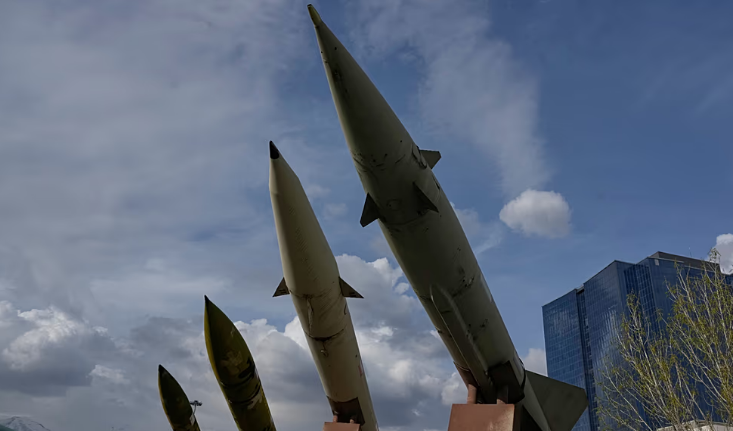
Fresh Attacks Reported Across Gulf Despite US-Iran Ceasefire Announcement

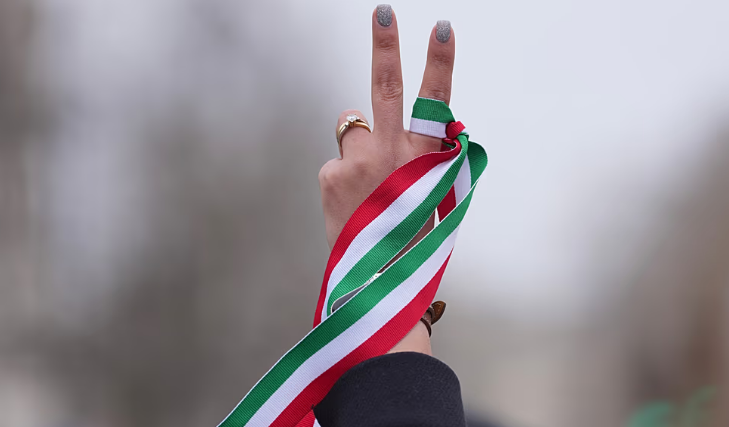
Sweden Accuses Iran of Using Criminal Gangs to Target Dissidents as Teenagers Face Trial

US-Iran Ceasefire Eases Tensions as Europe Reacts; US Politics Spill Into Hungary Vote

ENI and Egypt Announce Major Gas Discovery Amid Rising Energy Costs

Meta Acquires Tilda Swinton VR Doc ‘Impulse: Playing With Reality’

Saudi Arabia’s Model for Sustainable Aviation Practices

Recent Developments in Small Business Taxes

Effective Drain Cleaning: A Key to a Healthy Plumbing System

Who was Ebrahim Raisi and his status in Iranian Politics?

China’s Historic Olympic Victory Sparks National Pride Amid Controversy

Carrectly: Revolutionizing Car Care in Chicago

Keely Hodgkinson Wins Britain’s First Athletics Gold at Paris Olympics in 800m

Saudi Arabia: Foreign Direct Investment Rises by 5.6% in Q1

Chinese Hackers Infiltrate Major U.S. Telecom Firms in Possible National Security Breach

Sony WF-10XM4: Headphones Are Our Absolute Favorite

10 Places You Can’t Miss If It’s Your First Time in European

New Census Data Will Shake Up Alabama Politics

16 Top of Our Favorite Outdoor Clothing Brands

Fashionable Summer Accessories to Dress Up Your Travel Look

How Sleeping Less than 7 Hours a Night Can Lead to Weight Gain
-
 Entertainment2 years ago
Meta Acquires Tilda Swinton VR Doc ‘Impulse: Playing With Reality’
-
 Business2 years ago
Saudi Arabia’s Model for Sustainable Aviation Practices
-
 Business2 years ago
Recent Developments in Small Business Taxes
-
 Home Improvement1 year ago
Effective Drain Cleaning: A Key to a Healthy Plumbing System
-
 Politics2 years ago
Who was Ebrahim Raisi and his status in Iranian Politics?
-
 Sports2 years ago
China’s Historic Olympic Victory Sparks National Pride Amid Controversy
-
 Business2 years ago
Carrectly: Revolutionizing Car Care in Chicago
-
 Sports2 years ago
Keely Hodgkinson Wins Britain’s First Athletics Gold at Paris Olympics in 800m