
Health
Fear, Hearing Loss and Mobility Problems Among Overlooked Risks of Falls in Older Adults

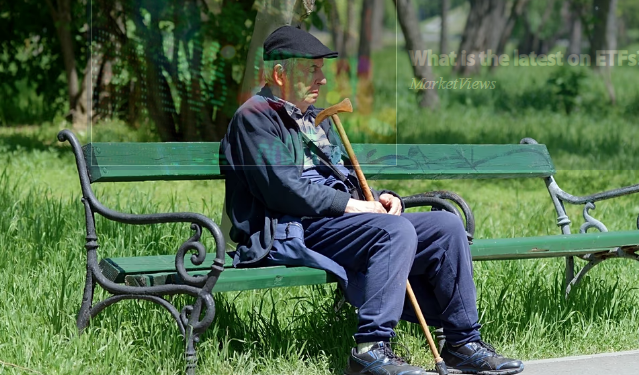
Falls remain a major health risk for older adults, but many people are unaware that factors such as anxiety, hearing loss and an urgent need to use the bathroom can increase the likelihood of an accident, according to a new survey by The Ohio State University Wexner Medical Center.
The survey of 1,007 adults in the United States found that 63 per cent did not recognise fear or anxiety about falling as a risk factor. Another 60 per cent were unaware of the connection with hearing loss, while 74 per cent did not know that needing to reach a bathroom quickly could increase the chance of a fall.
Michelle Easley, a nurse practitioner at the medical centre’s Fall Prevention Clinic, said a previous fall was the strongest warning sign of another accident. She added that fear could make the problem worse by discouraging people from staying active, weakening their muscles and reducing mobility.
Ben Melancon, a former athlete now in his 70s, experienced this cycle after falling down stairs more than a dozen times. His final accident left him with an injury near his left eye that required nine stitches.
He said he had become extremely afraid of using the stairs. However, after attending a fall prevention programme, he regained his confidence and has not fallen since completing treatment.
The problem extends across Europe, where falls contribute to hospital admissions, disability and premature deaths among older people.
A factsheet from the European Association for Injury Prevention and Safety Promotion, known as EuroSafe, estimated that approximately 35,848 people aged 65 and over died from falls annually across the European Union, based on figures from 2010 to 2012.
Falls accounted for 58 per cent of injury-related emergency department visits among older people. Almost half of these attendances involved fractures, while around one in five involved head injuries.
The likelihood of hospital admission also increased with age. The factsheet estimated that 32 per cent of fall-related injuries among people aged 65 to 74 required hospital treatment. The proportion rose to 39 per cent among those aged 75 to 84 and 45 per cent among people aged 85 and older.
Falls are often caused by several factors acting together. These include poor balance, reduced muscle strength, impaired vision or hearing, chronic health conditions and medicines that can cause dizziness. Inadequate footwear and unsafe surroundings can also contribute.
The home is a particularly important setting for prevention, with EuroSafe estimating that 64 per cent of fall-related injuries occur there. Living rooms and bedrooms account for more than half of injuries inside homes, followed by bathrooms and stairs.
Specialists recommend strength and balance exercises, individual risk assessments, medication reviews and improvements to household safety. Removing loose rugs, improving lighting and installing suitable bathroom and stair supports can reduce hazards without restricting independence.
Melancon attended the Ohio State clinic several times a week for four months, working with a physical therapist and continuing exercises at home. He also switched to supportive athletic shoes.
He said he was no longer afraid of using stairs and encouraged other older people to seek help rather than allow fear to limit their daily activities.








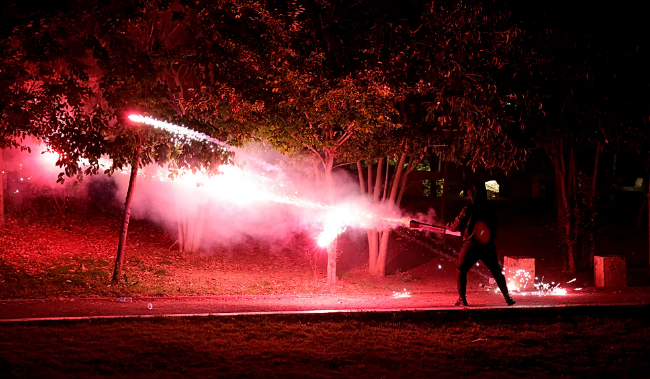
Fireworks remain a popular feature of public celebrations, but health experts are calling for tighter regulations and greater public awareness as thousands of people suffer injuries each year.
In an opinion article published in the medical journal The BMJ, researchers from the University of California, Los Angeles (UCLA), warned that the dangers of fireworks are often underestimated and represent a significant public health concern.
Common injuries include severe burns, blast damage caused by shockwaves, traumatic brain injuries, amputated fingers and permanent loss of sight. Children, young men, rural communities and people from lower-income backgrounds are among those at greater risk. Bystanders can also be injured without handling fireworks themselves.
The authors are urging governments and health organisations in the United States and elsewhere to strengthen safety rules and invest in public education.
They recommend encouraging people to attend professionally organised displays rather than setting off fireworks at home. Medical and public health organisations could also challenge social media content that promotes private fireworks use.
The researchers propose school-based awareness campaigns for primary and secondary pupils, using real-life accounts and images of people injured by fireworks. They also suggest placing graphic injury warnings on packaging, similar to health warnings on cigarette packets.
Thousands seek medical treatment across Europe
Available figures highlight the scale of the problem, although many European countries do not maintain national records of firework-related injuries.
The Netherlands systematically collects data on incidents. During the 2025-2026 New Year celebrations, an estimated 1,239 people received emergency medical treatment at hospital emergency departments or out-of-hours general care services. This was 7% higher than the previous year.
Italy’s Ministry of the Interior reported 283 injuries during New Year’s Eve celebrations, including 54 people who required hospital treatment.
Healthcare professionals say more countries need systematic reporting systems to establish the full extent of the injuries and identify where prevention measures are most needed.
Fireworks imports continue to grow
The health concerns come as the European fireworks market expands. Eurostat data published in December 2025 showed that the EU imported 120,000 tonnes of fireworks from outside the bloc in 2024, worth €406.7 million. Import volumes increased by 9.5% and their value by 21.5% compared with 2023.
A separate European Commission working document put the value of EU pyrotechnic imports at a record €452 million in 2024. The Netherlands accounted for 37% of extra-EU imports, followed by Germany at 35.6% and Poland at 7.4%.
Different rules across member states
EU legislation sets common safety requirements and divides consumer fireworks into four categories according to their hazard and intended use. Member states can impose stricter national restrictions on their sale, possession and use.
Minimum ages vary by category. Very low-hazard products, including some sparklers and party poppers, can generally be used from age 12, while certain low-hazard outdoor fireworks have higher age limits. Medium-hazard products intended for large open spaces carry a minimum age of 18 and require specialist knowledge.
Countries including the Netherlands, Germany, France and Italy have adopted additional restrictions, reflecting different national approaches to fireworks safety.
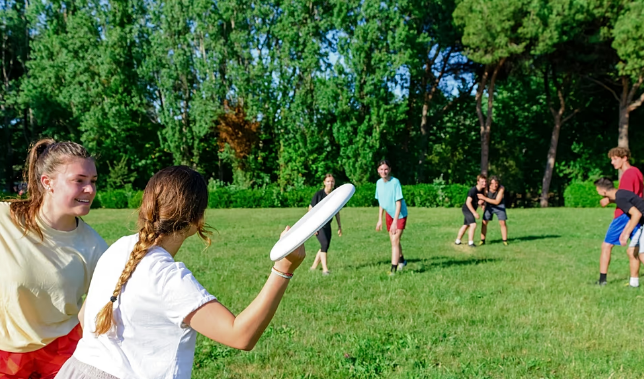
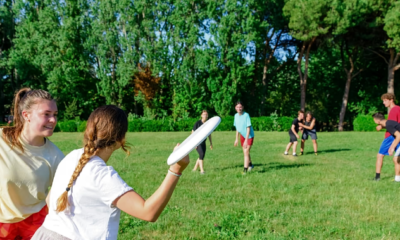
Around 240 million adolescents worldwide did not take part in physical activity on any day of the week in 2025, with girls falling further behind boys, according to a major global study published in The Lancet Global Health.
The research found that teenagers averaged 2.7 active days per week, a figure that remained unchanged between 2010 and 2025. Only 14 per cent, or about one in seven adolescents, reported being active every day.
The study analysed 389 surveys covering 3.2 million young people aged 11 to 17 across 140 countries. The data represented approximately 59 per cent of the global adolescent population.
Researchers defined an active day as one on which a teenager completed at least 60 minutes of moderate-to-vigorous physical activity. This follows the recommendation of the World Health Organization (WHO), which counts activity at school, during travel and in leisure time.
The findings raise concerns about progress towards the WHO’s target of reducing the proportion of adolescents who fail to achieve 60 minutes of daily activity by 15 per cent between 2010 and 2030. The researchers found that no country or region was currently on track to meet the goal.
A clear gender gap emerged from the data. Boys averaged three active days per week in 2025, compared with 2.4 days for girls. The difference widened as girls grew older, suggesting that existing opportunities and programmes were not reaching them equally.
Geographical differences were also substantial. Adolescents in Central and Eastern Europe and Central Asia, East Asia and the Pacific, and high-income Western countries averaged around four active days each week. In these regions, between 6.9 and 7.7 per cent of teenagers reported no physical activity at all.
In contrast, young people in Latin America and the Caribbean, the Middle East and North Africa, Oceania, South and Southeast Asia, and sub-Saharan Africa averaged approximately two active days per week. The share reporting complete inactivity ranged from 22.7 to 33.1 per cent.
Finland, Canada and Serbia recorded the highest activity levels, with adolescents averaging between 4.5 and 4.8 active days weekly. Cambodia, Jordan and Madagascar were among the least active, averaging between 1.7 and 1.9 days.
The study’s authors linked these differences partly to structural conditions. Wealthier countries generally have more resources to support physical activity policies, provide public spaces and develop safe routes for walking and cycling.
The researchers said adolescence is an important period for establishing habits that influence health throughout adulthood. Regular exercise supports physical and mental wellbeing, but existing programmes are failing to reach large numbers of young people.
They called for stronger policies tailored to local conditions, with schools and neighbourhoods made more supportive of everyday activity. They also urged governments to address barriers affecting girls, including restrictive gender expectations, safety concerns and limited access to suitable sports and recreational activities.
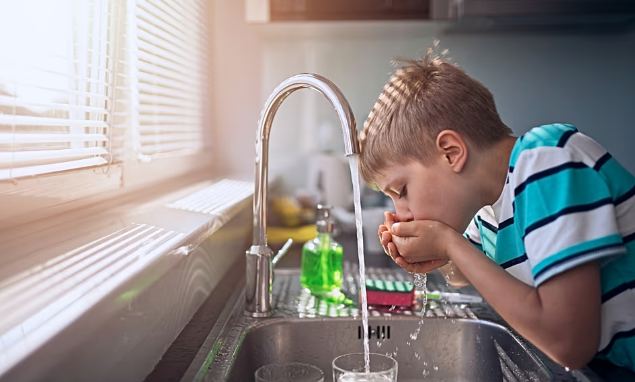
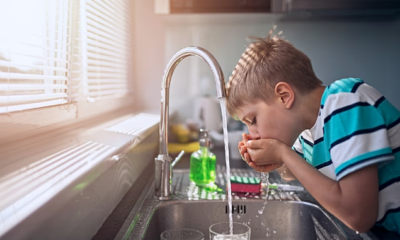
A coalition of 85 international health and environmental organisations has urged the World Health Organization (WHO) to revise its drinking water standards for nitrate, warning that exposure to levels below the existing limit may be associated with colorectal cancer and premature births.
In an open letter sent on Tuesday, the groups called on the United Nations health agency to include nitrate in its forthcoHealth Groups Urge WHO to Tighten Drinking Water Nitrate Limits Over Cancer Risks
ming review of drinking water guidelines. Signatories include Greenpeace International, the World Organization of Family Doctors (WONCA) and the European Environmental Bureau.
The organisations argue that the WHO’s current nitrate limit is based on standards established decades ago and does not adequately reflect more recent scientific evidence about the potential effects of long-term exposure.
Nitrates and nitrites are naturally occurring compounds found in soil, water and food. However, human activities, including the use of agricultural fertilisers, manure runoff and poorly maintained septic systems, can increase nitrate concentrations in water supplies.
The current WHO guideline sets the maximum acceptable nitrate concentration at 50 milligrams per litre (mg/L), equivalent to 11.3 mg/L when measured as nitrate-nitrogen. The standard dates back to 1958 and was originally designed to prevent methaemoglobinaemia, commonly known as blue-baby syndrome. The condition reduces the blood’s ability to carry oxygen and can be fatal in infants.
The organisations say the existing threshold does not account for epidemiological research linking prolonged exposure to lower nitrate concentrations with other health risks, particularly bowel cancer and adverse pregnancy outcomes.
“Studies now link nitrate in drinking water, at levels well below the current WHO limit, to bowel cancer and premature birth,” said Pratyush Kumar, chair of WONCA, in a joint statement.
Amanda Larsson, Greenpeace’s global project lead for agriculture, said access to safe drinking water should be treated as a basic guarantee rather than a privilege.
The coalition also cited a report commissioned by the Danish government last year, which concluded that the existing international standard was insufficient to protect public health. The expert panel recommended reducing the nitrate limit to 6.0 mg/L.
Denmark has committed to adopting the lower threshold, although it has not announced a timetable for implementation. The organisations said this creates a growing difference between international guidance and national drinking water policies.
Most governments use WHO recommendations as the basis for their own drinking water standards, making changes to the agency’s guidelines important for wider regulatory reform, the letter said.
The appeal was issued on World One Health Day, which highlights the links between human, animal and environmental health.
The signatories also called on governments to reduce pollution from intensive livestock farming and support producers in adopting more environmentally sustainable agricultural practices.
They said stronger protections against nitrate contamination were needed to safeguard drinking water supplies and reduce potential health risks, particularly for children and pregnant women.

Global Markets Rally as AI Stocks Recover and Oil Prices Fall on Iran Peace Hopes

Infineon Forecasts 20% Sales Growth as AI Data Centre Demand Boosts Chip Business

Fear, Hearing Loss and Mobility Problems Among Overlooked Risks of Falls in Older Adults

UK Considers Adding eBay and Vinted to Social Media Ban for Under-16s

Physicist’s Research Suggests Travelling Back in Time May Be Impossible

Egypt Announces Mediterranean Gas Discovery Estimated at 200 Billion Cubic Feet

Spain Rescues 854 Migrants off El Hierro as Canary Islands Face Pressure on Reception Centres

US Offers $20 Million Reward for Information on Iran’s Nuclear Programme

Pakistani Astronaut Set to Make History as First Foreign Visitor to China’s Space Station

Global Stock Sell-Off Deepens as AI Data Centre Concerns Hit Chipmakers

Meta Acquires Tilda Swinton VR Doc ‘Impulse: Playing With Reality’

China’s Historic Olympic Victory Sparks National Pride Amid Controversy

Saudi Arabia’s Model for Sustainable Aviation Practices

Recent Developments in Small Business Taxes

Effective Drain Cleaning: A Key to a Healthy Plumbing System

Who was Ebrahim Raisi and his status in Iranian Politics?

Keely Hodgkinson Wins Britain’s First Athletics Gold at Paris Olympics in 800m

Carrectly: Revolutionizing Car Care in Chicago

Nobel Laureate Muhammad Yunus Proposed as Head of Bangladesh’s Interim Government Following Hasina’s Resignation

Chinese Hackers Infiltrate Major U.S. Telecom Firms in Possible National Security Breach

Sony WF-10XM4: Headphones Are Our Absolute Favorite

10 Places You Can’t Miss If It’s Your First Time in European

New Census Data Will Shake Up Alabama Politics

16 Top of Our Favorite Outdoor Clothing Brands

Fashionable Summer Accessories to Dress Up Your Travel Look

How Sleeping Less than 7 Hours a Night Can Lead to Weight Gain
-
 Entertainment2 years ago
Meta Acquires Tilda Swinton VR Doc ‘Impulse: Playing With Reality’
-
 Sports2 years ago
China’s Historic Olympic Victory Sparks National Pride Amid Controversy
-
 Business2 years ago
Saudi Arabia’s Model for Sustainable Aviation Practices
-
 Business2 years ago
Recent Developments in Small Business Taxes
-
 Home Improvement2 years ago
Effective Drain Cleaning: A Key to a Healthy Plumbing System
-
 Politics2 years ago
Who was Ebrahim Raisi and his status in Iranian Politics?
-
 Sports2 years ago
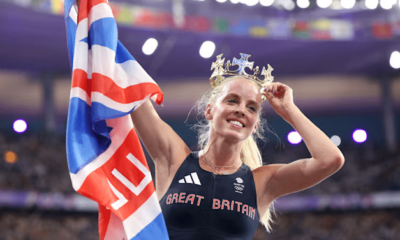
Keely Hodgkinson Wins Britain’s First Athletics Gold at Paris Olympics in 800m
-
 Business2 years ago
Carrectly: Revolutionizing Car Care in Chicago
You must be logged in to post a comment Login