
Business
UK Bond Yields Surge to Multi-Decade Highs as Pound Hits 14-Month Low

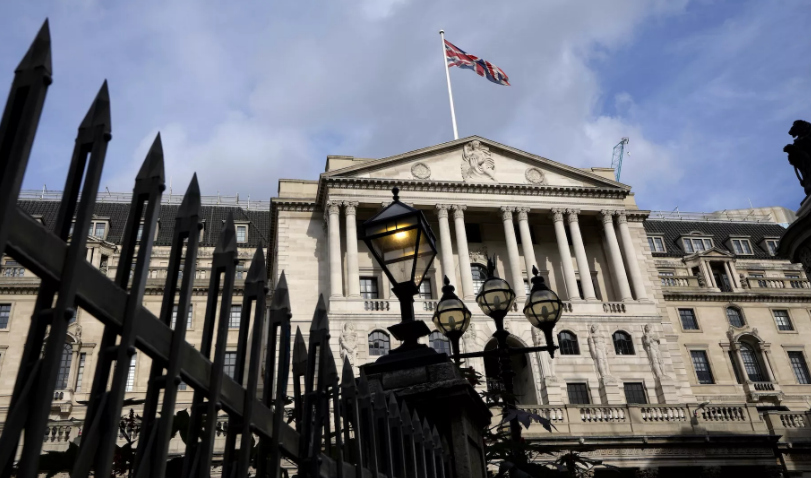
UK government bond yields soared to levels not seen in decades on Thursday, with the 10-year gilt yield reaching 4.90%—its highest since July 2008—and the 30-year yield climbing to 5.40%, a peak last recorded in August 1998. Simultaneously, the British pound slumped to a 14-month low against the US dollar, dipping below $1.23 amid mounting economic concerns.
The sharp rise in yields and currency depreciation has prompted comparisons to the market turmoil during Liz Truss’s brief premiership in 2022. However, analysts remain divided over whether this represents a similar crisis or temporary turbulence driven by inflationary and fiscal challenges.
“Capital flows are moving out of the UK, pushing bond yields higher and the pound lower,” said Alejandro Cuadrado, an analyst at BBVA. He warned that if fiscal concerns persist, the situation could become a “mini Truss moment.”
Drivers Behind the Sell-Off
The gilt market is under pressure from both domestic and global factors. Persistent inflation, increased government spending, and a broader global bond sell-off have contributed to rising yields. Long-term gilts, such as the 30-year, have been particularly affected, reflecting investor worries about inflationary risks and the sustainability of public finances.
The British pound has also faced significant pressure. “The gilt market has proven to be the Achilles’ heel for sterling,” said Chris Turner, an analyst at ING. He added that widening gilt spreads have led investors to reduce their positions in the currency.
Globally, US Treasury yields have surged, with the 30-year yield reaching 4.95%, near its highest levels since 2007. Markets are reacting to inflationary fears stoked by the incoming administration of Donald Trump, whose policy agenda includes sweeping tariffs and tax cuts that could drive deficits higher.
Is This a Repeat of the ‘Truss Moment’?
While the rise in gilt yields has sparked memories of the market panic during Truss’s tenure, analysts note key differences. Unlike the sudden spiral triggered by unfunded tax cuts in 2022, the current rise in yields has been more gradual.
“Demand from foreign buyers remains strong, reducing the risk of a repeat of 2022’s liquidity crunch among pension funds,” said Turner.
Nonetheless, sticky inflation and government spending continue to weigh on investor sentiment. Fitch Ratings recently flagged uncertainty in the UK housing market, adding to the cautious outlook.
Looking Ahead
Analysts see limited room for further increases in gilt yields, although inflation and higher US rates could maintain some upward pressure. The Bank of England faces a difficult balancing act, with markets pricing in rate cuts while inflation remains elevated.
For the pound, further declines are possible, though a fall below $1.20 appears less likely, Turner noted. As economic uncertainty persists, the trajectory of UK markets remains under close scrutiny.















Genetic Differences May Shape Effectiveness of Popular Weight-Loss Drugs, Study Finds

Seven-Day Meditation Retreat Linked to Measurable Changes in Brain and Body, Study Finds

Fuel Prices Surge Across Europe as Middle East Crisis Pushes Oil Above $100

Oil Prices Surge as Strait of Hormuz Closure Shakes Markets

Britain and Norway Step Up Naval Patrols to Protect Undersea Infrastructure from Russia

Meta Launches Muse Spark, Its First Major AI Model in Nine Months

Fresh Attacks Reported Across Gulf Despite US-Iran Ceasefire Announcement

Sweden Accuses Iran of Using Criminal Gangs to Target Dissidents as Teenagers Face Trial

US-Iran Ceasefire Eases Tensions as Europe Reacts; US Politics Spill Into Hungary Vote

ENI and Egypt Announce Major Gas Discovery Amid Rising Energy Costs

Meta Acquires Tilda Swinton VR Doc ‘Impulse: Playing With Reality’

Saudi Arabia’s Model for Sustainable Aviation Practices

Recent Developments in Small Business Taxes

Effective Drain Cleaning: A Key to a Healthy Plumbing System

Who was Ebrahim Raisi and his status in Iranian Politics?

China’s Historic Olympic Victory Sparks National Pride Amid Controversy

Carrectly: Revolutionizing Car Care in Chicago

Keely Hodgkinson Wins Britain’s First Athletics Gold at Paris Olympics in 800m

Saudi Arabia: Foreign Direct Investment Rises by 5.6% in Q1

Chinese Hackers Infiltrate Major U.S. Telecom Firms in Possible National Security Breach

Sony WF-10XM4: Headphones Are Our Absolute Favorite

10 Places You Can’t Miss If It’s Your First Time in European

New Census Data Will Shake Up Alabama Politics

16 Top of Our Favorite Outdoor Clothing Brands

Fashionable Summer Accessories to Dress Up Your Travel Look

How Sleeping Less than 7 Hours a Night Can Lead to Weight Gain
-
 Entertainment2 years ago
Meta Acquires Tilda Swinton VR Doc ‘Impulse: Playing With Reality’
-
 Business2 years ago
Saudi Arabia’s Model for Sustainable Aviation Practices
-
 Business2 years ago
Recent Developments in Small Business Taxes
-
 Home Improvement1 year ago
Effective Drain Cleaning: A Key to a Healthy Plumbing System
-
 Politics2 years ago
Who was Ebrahim Raisi and his status in Iranian Politics?
-
 Sports2 years ago
China’s Historic Olympic Victory Sparks National Pride Amid Controversy
-
 Business2 years ago
Carrectly: Revolutionizing Car Care in Chicago
-
 Sports2 years ago
Keely Hodgkinson Wins Britain’s First Athletics Gold at Paris Olympics in 800m