
Business
Southern Europe Leads in EV Subsidies as EU Pushes Toward 2030 Emissions Goals

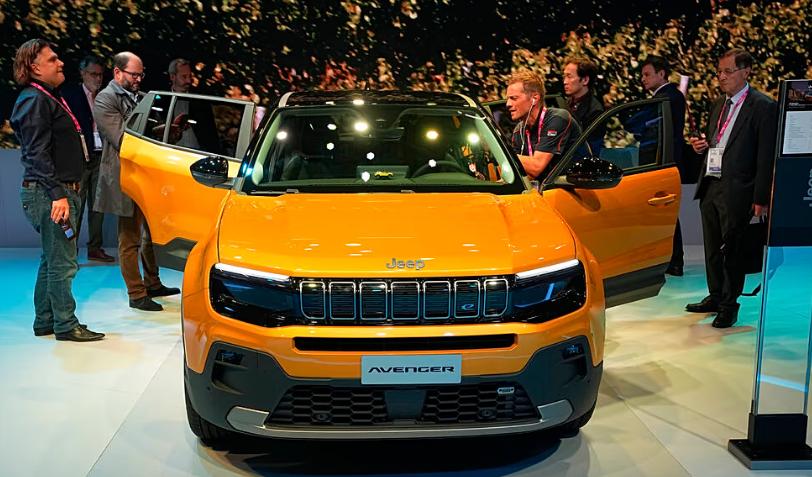
European Union member states are offering increasingly varied incentives to encourage drivers to switch to electric vehicles (EVs), with the most generous subsidies in 2025 coming from Italy, Poland, and Greece. The measures reflect the bloc’s efforts to cut carbon emissions from transport, a key pillar of the EU’s target to reduce CO2 output from new passenger cars by 55 percent by 2030.
According to research by Euronews Business, Italy’s new incentive scheme, due to launch in mid-October, tops the list. It offers up to €11,000 for individual buyers, covering as much as 30 percent of a car’s purchase price. However, eligibility is linked to income levels, and the scheme excludes vehicles priced above €42,700 including VAT. Despite the new initiative, battery electric vehicles (BEVs) remain a niche market in Italy, with just 5.2 percent of new car sales between January and July this year, well below the EU average of 15 percent.
Poland and Greece Close Behind
Poland and Greece are offering subsidies of around €9,000 each, supplemented by additional benefits. In Greece, buyers can receive an extra €2,000 for scrapping an older, polluting vehicle and €1,000 if they are under 29 years old. BEVs in the country are also exempt from registration and circulation taxes. Still, electric cars accounted for only 5.3 percent of the Greek market in the first seven months of 2025.
Poland’s market share was slightly higher at 5.4 percent, supported by zero registration tax for EVs. Slovenia, meanwhile, is offering up to €7,200 for BEVs priced below €35,000, while Spain provides between €4,500 and €7,000 in purchase subsidies, supplemented by income tax reductions and significant road tax breaks in major cities.
Nordic Model Relies on Tax Breaks
By contrast, countries with the highest EV adoption rates—such as Norway and Denmark—rely less on upfront subsidies and more on tax exemptions. Norway, where BEVs account for 94 percent of new sales, exempts them from VAT, import duties, and registration fees, in addition to reducing tolls, ferry costs, and annual road tax. Denmark imposes only 40 percent of its normal registration tax on zero-emission vehicles, with further deductions based on emissions.
Shifting Incentive Landscape
Not all countries are expanding subsidies. Austria recently scrapped incentives for individual EV buyers, while Sweden is preparing a new scheme aimed at low-income households in rural areas. From January 2026, the program would offer SEK 54,000 (€4,938) spread over three years.
France, which has trimmed its EV subsidy budget, still provides significant support. Beginning later this year, buyers of European-made EVs priced under €47,500 will receive an additional €1,000 on top of existing benefits. Finland is also weighing a scrappage scheme that could give drivers up to €2,500 toward a low-emission vehicle if they replace a car more than 10 years old.
While Southern European nations are currently offering the largest direct incentives, experts caution that subsidies alone may not be enough. Expanding charging infrastructure, they argue, will be critical if the EU is to reach its 2030 climate goals.










Genetic Differences May Shape Effectiveness of Popular Weight-Loss Drugs, Study Finds

Seven-Day Meditation Retreat Linked to Measurable Changes in Brain and Body, Study Finds

Fuel Prices Surge Across Europe as Middle East Crisis Pushes Oil Above $100

Oil Prices Surge as Strait of Hormuz Closure Shakes Markets

Britain and Norway Step Up Naval Patrols to Protect Undersea Infrastructure from Russia

Meta Launches Muse Spark, Its First Major AI Model in Nine Months

Fresh Attacks Reported Across Gulf Despite US-Iran Ceasefire Announcement

Sweden Accuses Iran of Using Criminal Gangs to Target Dissidents as Teenagers Face Trial

US-Iran Ceasefire Eases Tensions as Europe Reacts; US Politics Spill Into Hungary Vote

ENI and Egypt Announce Major Gas Discovery Amid Rising Energy Costs

Meta Acquires Tilda Swinton VR Doc ‘Impulse: Playing With Reality’

Saudi Arabia’s Model for Sustainable Aviation Practices

Recent Developments in Small Business Taxes

Effective Drain Cleaning: A Key to a Healthy Plumbing System

Who was Ebrahim Raisi and his status in Iranian Politics?

China’s Historic Olympic Victory Sparks National Pride Amid Controversy

Carrectly: Revolutionizing Car Care in Chicago

Keely Hodgkinson Wins Britain’s First Athletics Gold at Paris Olympics in 800m

Saudi Arabia: Foreign Direct Investment Rises by 5.6% in Q1

Chinese Hackers Infiltrate Major U.S. Telecom Firms in Possible National Security Breach

Sony WF-10XM4: Headphones Are Our Absolute Favorite

10 Places You Can’t Miss If It’s Your First Time in European

New Census Data Will Shake Up Alabama Politics

16 Top of Our Favorite Outdoor Clothing Brands

Fashionable Summer Accessories to Dress Up Your Travel Look

How Sleeping Less than 7 Hours a Night Can Lead to Weight Gain
-
 Entertainment2 years ago
Meta Acquires Tilda Swinton VR Doc ‘Impulse: Playing With Reality’
-
 Business2 years ago
Saudi Arabia’s Model for Sustainable Aviation Practices
-
 Business2 years ago
Recent Developments in Small Business Taxes
-
 Home Improvement1 year ago
Effective Drain Cleaning: A Key to a Healthy Plumbing System
-
 Politics2 years ago
Who was Ebrahim Raisi and his status in Iranian Politics?
-
 Sports2 years ago
China’s Historic Olympic Victory Sparks National Pride Amid Controversy
-
 Business2 years ago
Carrectly: Revolutionizing Car Care in Chicago
-
 Sports2 years ago
Keely Hodgkinson Wins Britain’s First Athletics Gold at Paris Olympics in 800m