
Business
Nestlé to Cut 16,000 Jobs Globally in Major Restructuring Drive

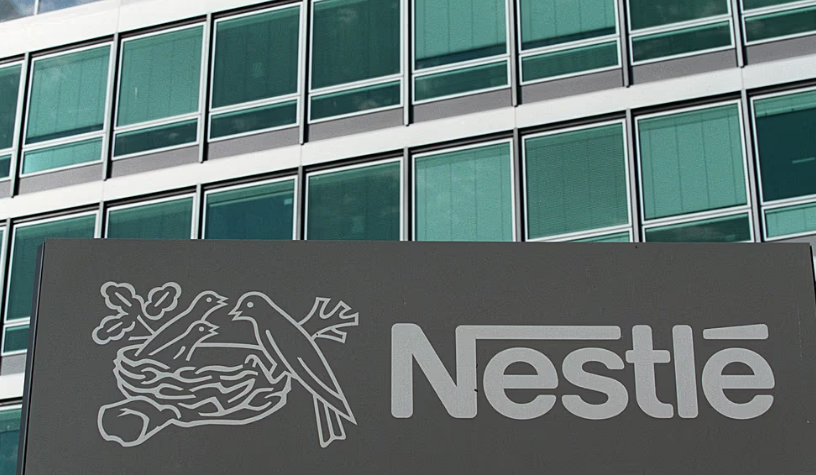
Swiss food and beverage giant Nestlé announced plans to eliminate 16,000 jobs worldwide as part of a sweeping two-year restructuring programme aimed at boosting profitability and refocusing on high-return product lines under new Chief Executive Philipp Navratil.
The cuts include 12,000 white-collar positions in management and office functions, along with 4,000 roles across manufacturing, logistics, and supply chain divisions. The company said the move is intended to simplify operations, reduce costs, and channel resources toward its strongest-performing categories — including coffee, confectionery, and premium goods.
Nestlé is also conducting strategic reviews of its water, premium beverage, and vitamins and supplements businesses, as it seeks to concentrate on brands with the highest growth potential.
“The company needs to change faster to stay competitive,” Navratil said, adding that his priority is to foster a “performance mindset” across the organisation.
The decision comes amid growing financial pressures. Nestlé’s share price has fallen by roughly 35 percent since 2022, while sales growth in 2024 was just 2.2 percent — its weakest in years — before inching up to 3.3 percent during the first nine months of 2025. Reported net sales reached CHF 65.9 billion (€70.9 billion) in the same period, a 1.9 percent year-on-year decline, largely due to currency fluctuations.
The company said the restructuring is expected to save approximately 1 billion Swiss francs annually, contributing to an expanded cost-savings target of 3 billion francs by the end of 2027.
“Management have grand ambitions to bring Nestlé back to where it has historically been, but for now the company is a work in progress,” said Chris Beckett, a consumer staples analyst at Quilter Cheviot.
Nestlé’s leadership shake-up has added to the turbulence. Former CEO Laurent Freixe was dismissed in September for breaching the company’s code of conduct, while long-time chairman Paul Bulcke stepped down earlier than planned. Former Inditex CEO Pablo Isla has since taken over as chairman.
Despite the internal turmoil, Nestlé’s latest results have exceeded expectations. The company reported a 1.5 percent increase in real internal growth for the third quarter of 2025 — well above analyst forecasts of 0.3 percent. Strong performance in flagship brands such as Nescafé, KitKat, and Maggi helped lift results, alongside higher product pricing.
Investors responded positively to the restructuring announcement, with Nestlé shares rising more than 8 percent by midday on Thursday. The company reaffirmed its full-year guidance, forecasting stronger organic sales growth than in 2024 and maintaining an operating margin of at least 16 percent.
“A few more quarters like this one may just help complete that turnaround story and put Nestlé back on a path of high-quality growth,” Beckett said.










Genetic Differences May Shape Effectiveness of Popular Weight-Loss Drugs, Study Finds

Seven-Day Meditation Retreat Linked to Measurable Changes in Brain and Body, Study Finds

Fuel Prices Surge Across Europe as Middle East Crisis Pushes Oil Above $100

Oil Prices Surge as Strait of Hormuz Closure Shakes Markets

Britain and Norway Step Up Naval Patrols to Protect Undersea Infrastructure from Russia

Meta Launches Muse Spark, Its First Major AI Model in Nine Months

Fresh Attacks Reported Across Gulf Despite US-Iran Ceasefire Announcement

Sweden Accuses Iran of Using Criminal Gangs to Target Dissidents as Teenagers Face Trial

US-Iran Ceasefire Eases Tensions as Europe Reacts; US Politics Spill Into Hungary Vote

ENI and Egypt Announce Major Gas Discovery Amid Rising Energy Costs

Meta Acquires Tilda Swinton VR Doc ‘Impulse: Playing With Reality’

Saudi Arabia’s Model for Sustainable Aviation Practices

Recent Developments in Small Business Taxes

Effective Drain Cleaning: A Key to a Healthy Plumbing System

Who was Ebrahim Raisi and his status in Iranian Politics?

China’s Historic Olympic Victory Sparks National Pride Amid Controversy

Carrectly: Revolutionizing Car Care in Chicago

Keely Hodgkinson Wins Britain’s First Athletics Gold at Paris Olympics in 800m

Saudi Arabia: Foreign Direct Investment Rises by 5.6% in Q1

Chinese Hackers Infiltrate Major U.S. Telecom Firms in Possible National Security Breach

Sony WF-10XM4: Headphones Are Our Absolute Favorite

10 Places You Can’t Miss If It’s Your First Time in European

New Census Data Will Shake Up Alabama Politics

16 Top of Our Favorite Outdoor Clothing Brands

Fashionable Summer Accessories to Dress Up Your Travel Look

How Sleeping Less than 7 Hours a Night Can Lead to Weight Gain
-
 Entertainment2 years ago
Meta Acquires Tilda Swinton VR Doc ‘Impulse: Playing With Reality’
-
 Business2 years ago
Saudi Arabia’s Model for Sustainable Aviation Practices
-
 Business2 years ago
Recent Developments in Small Business Taxes
-
 Home Improvement1 year ago
Effective Drain Cleaning: A Key to a Healthy Plumbing System
-
 Politics2 years ago
Who was Ebrahim Raisi and his status in Iranian Politics?
-
 Sports2 years ago
China’s Historic Olympic Victory Sparks National Pride Amid Controversy
-
 Business2 years ago
Carrectly: Revolutionizing Car Care in Chicago
-
 Sports2 years ago
Keely Hodgkinson Wins Britain’s First Athletics Gold at Paris Olympics in 800m