
Business
Eurozone Services Rebound in December, but Manufacturing Slump Persists

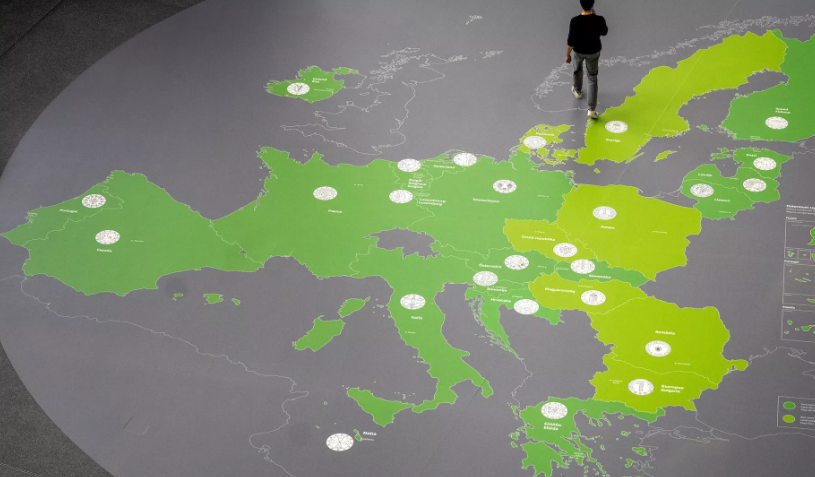
The eurozone’s economy ended 2024 on a mixed note, as a rebound in the services sector partially offset a prolonged manufacturing slump, according to flash data from S&P Global. December’s Composite PMI rose to 49.5 from November’s 48.3, surpassing expectations of 48.2 but remaining below the 50-mark, indicating contraction.
Services Sector Lifts Overall Activity
The services sector showed renewed vigor, with its PMI climbing to 51.4 in December from 49.5 the previous month, signaling a return to growth after a brief contraction. This recovery helped buoy overall economic activity despite manufacturing woes. The manufacturing PMI recorded its 21st consecutive monthly decline, reflecting ongoing struggles in the sector.
“While manufacturing is still deep in recession, the rebound in services output is a welcome boost for the overall economy,” said Dr. Cyrus de la Rubia, Chief Economist at Hamburg Commercial Bank.
However, signs of weakness persisted. New orders and job cuts in the services sector accelerated at the fastest pace in four years, raising concerns about labor market resilience as the eurozone enters 2025.
Inflation Pressures Resurface
Inflationary pressures re-emerged in December, with input costs and output prices rising for the third consecutive month. Wage increases were a significant driver, leading businesses to pass costs onto consumers.
“The PMI price indicators offer little reassurance,” de la Rubia noted. “Input costs are climbing, and businesses are responding with higher selling prices.”
The European Central Bank’s cautious monetary stance, including a recent 25-basis-point rate cut, appears justified as inflation concerns persist.
Germany and France Remain in Contraction
Germany and France, the eurozone’s two largest economies, continued to weigh on overall performance. Both nations recorded contracting business activity, albeit at a slower pace than previous months.
In Germany, the services sector showed tentative signs of stabilization, supported by rising real wages. Analysts are cautiously optimistic about a potential recovery, particularly with upcoming snap elections in February, which could provide greater political clarity.
France, however, faced ongoing challenges. Manufacturing remained a weak spot, with low domestic and international orders dragging on performance. The country’s services sector also struggled to sustain momentum after a summer boost from the Paris Olympics. Businesses cited political uncertainty as a significant barrier to growth.
Market Reaction
Financial markets reacted cautiously to the PMI data. The euro remained steady at $1.0510, while bond yields in the eurozone held firm. However, equities showed strain, with the Euro STOXX 50 and Euro STOXX 600 down 0.3% and 0.2%, respectively.
France’s CAC 40 underperformed, falling 0.6%, following Moody’s downgrade of France’s credit rating from Aa2 to Aa3, citing fiscal instability.
Outlook
While the services rebound offers a glimmer of hope, challenges remain for the eurozone. Political uncertainty in Germany and France, coupled with ongoing manufacturing struggles and inflation, could hinder recovery efforts heading into 2025.
Economists warn that while services momentum is encouraging, a sustained recovery will require addressing deeper structural and political challenges.













Genetic Differences May Shape Effectiveness of Popular Weight-Loss Drugs, Study Finds

Seven-Day Meditation Retreat Linked to Measurable Changes in Brain and Body, Study Finds

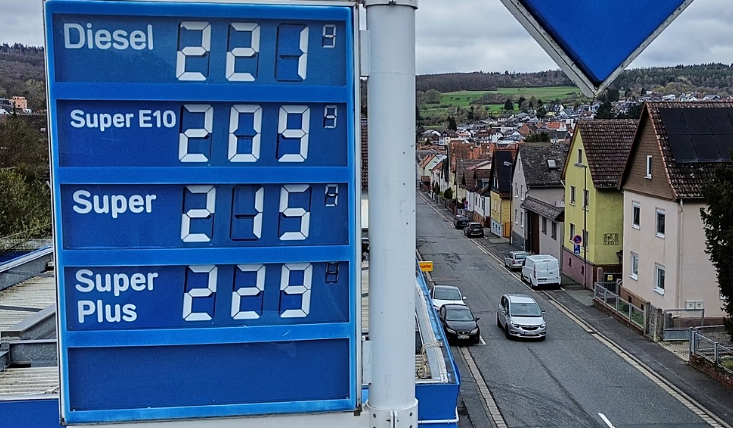
Fuel Prices Surge Across Europe as Middle East Crisis Pushes Oil Above $100

Oil Prices Surge as Strait of Hormuz Closure Shakes Markets

Britain and Norway Step Up Naval Patrols to Protect Undersea Infrastructure from Russia

Meta Launches Muse Spark, Its First Major AI Model in Nine Months

Fresh Attacks Reported Across Gulf Despite US-Iran Ceasefire Announcement

Sweden Accuses Iran of Using Criminal Gangs to Target Dissidents as Teenagers Face Trial

US-Iran Ceasefire Eases Tensions as Europe Reacts; US Politics Spill Into Hungary Vote

ENI and Egypt Announce Major Gas Discovery Amid Rising Energy Costs

Meta Acquires Tilda Swinton VR Doc ‘Impulse: Playing With Reality’

Saudi Arabia’s Model for Sustainable Aviation Practices

Recent Developments in Small Business Taxes

Effective Drain Cleaning: A Key to a Healthy Plumbing System

Who was Ebrahim Raisi and his status in Iranian Politics?

China’s Historic Olympic Victory Sparks National Pride Amid Controversy

Carrectly: Revolutionizing Car Care in Chicago

Keely Hodgkinson Wins Britain’s First Athletics Gold at Paris Olympics in 800m

Saudi Arabia: Foreign Direct Investment Rises by 5.6% in Q1

Chinese Hackers Infiltrate Major U.S. Telecom Firms in Possible National Security Breach

Sony WF-10XM4: Headphones Are Our Absolute Favorite

10 Places You Can’t Miss If It’s Your First Time in European

New Census Data Will Shake Up Alabama Politics

16 Top of Our Favorite Outdoor Clothing Brands

Fashionable Summer Accessories to Dress Up Your Travel Look

How Sleeping Less than 7 Hours a Night Can Lead to Weight Gain
-
 Entertainment2 years ago
Meta Acquires Tilda Swinton VR Doc ‘Impulse: Playing With Reality’
-
 Business2 years ago
Saudi Arabia’s Model for Sustainable Aviation Practices
-
 Business2 years ago
Recent Developments in Small Business Taxes
-
 Home Improvement1 year ago
Effective Drain Cleaning: A Key to a Healthy Plumbing System
-
 Politics2 years ago
Who was Ebrahim Raisi and his status in Iranian Politics?
-
 Sports2 years ago
China’s Historic Olympic Victory Sparks National Pride Amid Controversy
-
 Business2 years ago
Carrectly: Revolutionizing Car Care in Chicago
-
 Sports2 years ago
Keely Hodgkinson Wins Britain’s First Athletics Gold at Paris Olympics in 800m