
Business
Eurozone Business Activity Declines Sharply in November Amid Service Sector Slump

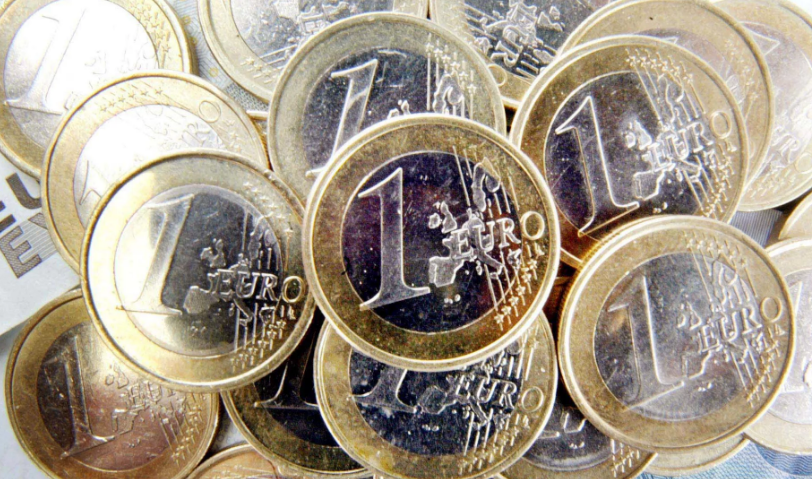
Business activity across the eurozone contracted sharply in November, with the services sector joining manufacturing in a downturn that signals the region’s steepest economic decline since January.
The Flash Eurozone Composite Purchasing Managers’ Index (PMI), a key indicator of economic health, dropped to 48.1 from October’s neutral 50.0. This unexpected contraction underscores mounting economic challenges, defying market forecasts of an unchanged reading.
Services Join Manufacturing in Contraction
The services sector, long a pillar of eurozone resilience, fell into contraction for the first time in 10 months. Its PMI dropped to 49.2 from 51.6 in October, while manufacturing continued its prolonged slump, with its PMI falling to 45.2. This marked 20 consecutive months of declining production.
“The eurozone’s manufacturing sector is sinking deeper into recession, and now the services sector is starting to falter,” said Dr. Cyrus de la Rubia, Chief Economist at Hamburg Commercial Bank. He attributed the struggles to ongoing political uncertainty in the bloc’s largest economies.
Declining new orders, which fell for the sixth straight month, further pressured businesses. Export demand also weakened significantly, leading some firms to cut employment slightly.
Inflation Resurfaces, Complicating ECB’s Path
Despite the slowdown in activity, inflationary pressures intensified. Input cost inflation hit a three-month high, driven by rising service-sector costs, even as manufacturing costs declined.
Output prices accelerated compared to October, creating a challenging environment for the European Central Bank (ECB).
“The eurozone is in a stagflationary environment—activity is declining, yet prices are rising,” de la Rubia explained. He noted that surging service sector prices could complicate the ECB’s monetary policy decisions, with some policymakers potentially advocating for rate cuts in December.
Germany and France Show Deeper Weakness
The eurozone’s largest economies, Germany and France, reported sharper-than-expected contractions in November.
France’s services PMI dropped to 45.7 from 49.2, marking its worst performance since January. Domestic political uncertainty continued to weigh heavily on its economy.
Germany’s services PMI fell to 49.4 from 51.6, its first contraction in nine months. Rising costs, especially wages, compounded challenges for companies.
Market Reaction: Euro, Equities, and Banks Fall
The unexpected economic contraction sent ripples through financial markets. The euro tumbled over 1% against the dollar to $1.04, its lowest since November 2022, as investors anticipated accelerated ECB rate cuts.
Eurozone bond yields also declined, with Germany’s 10-year Bund yield falling eight basis points to 2.25%. Equities followed suit, with the Euro STOXX 50 index dropping 0.7%.
Banks bore the brunt of the selloff, with shares of major lenders such as Deutsche Bank, Societe Generale, and Unicredit falling by 2.5% to 4%. Conversely, defensive sectors like utilities gained, reflecting a shift in investor preference amid economic uncertainty.












Genetic Differences May Shape Effectiveness of Popular Weight-Loss Drugs, Study Finds

Seven-Day Meditation Retreat Linked to Measurable Changes in Brain and Body, Study Finds

Fuel Prices Surge Across Europe as Middle East Crisis Pushes Oil Above $100

Oil Prices Surge as Strait of Hormuz Closure Shakes Markets

Britain and Norway Step Up Naval Patrols to Protect Undersea Infrastructure from Russia

Meta Launches Muse Spark, Its First Major AI Model in Nine Months

Fresh Attacks Reported Across Gulf Despite US-Iran Ceasefire Announcement

Sweden Accuses Iran of Using Criminal Gangs to Target Dissidents as Teenagers Face Trial

US-Iran Ceasefire Eases Tensions as Europe Reacts; US Politics Spill Into Hungary Vote

ENI and Egypt Announce Major Gas Discovery Amid Rising Energy Costs

Meta Acquires Tilda Swinton VR Doc ‘Impulse: Playing With Reality’

Saudi Arabia’s Model for Sustainable Aviation Practices

Recent Developments in Small Business Taxes

Effective Drain Cleaning: A Key to a Healthy Plumbing System

Who was Ebrahim Raisi and his status in Iranian Politics?

China’s Historic Olympic Victory Sparks National Pride Amid Controversy

Carrectly: Revolutionizing Car Care in Chicago

Keely Hodgkinson Wins Britain’s First Athletics Gold at Paris Olympics in 800m

Saudi Arabia: Foreign Direct Investment Rises by 5.6% in Q1

Chinese Hackers Infiltrate Major U.S. Telecom Firms in Possible National Security Breach

Sony WF-10XM4: Headphones Are Our Absolute Favorite

10 Places You Can’t Miss If It’s Your First Time in European

New Census Data Will Shake Up Alabama Politics

16 Top of Our Favorite Outdoor Clothing Brands

Fashionable Summer Accessories to Dress Up Your Travel Look

How Sleeping Less than 7 Hours a Night Can Lead to Weight Gain
-
 Entertainment2 years ago
Meta Acquires Tilda Swinton VR Doc ‘Impulse: Playing With Reality’
-
 Business2 years ago
Saudi Arabia’s Model for Sustainable Aviation Practices
-
 Business2 years ago
Recent Developments in Small Business Taxes
-
 Home Improvement1 year ago
Effective Drain Cleaning: A Key to a Healthy Plumbing System
-
 Politics2 years ago
Who was Ebrahim Raisi and his status in Iranian Politics?
-
 Sports2 years ago
China’s Historic Olympic Victory Sparks National Pride Amid Controversy
-
 Business2 years ago
Carrectly: Revolutionizing Car Care in Chicago
-
 Sports2 years ago
Keely Hodgkinson Wins Britain’s First Athletics Gold at Paris Olympics in 800m