Connect with us

Business

EBRD Warns of Slowing Growth in Europe Amid Chinese Competition and US Tariffs

Published

on

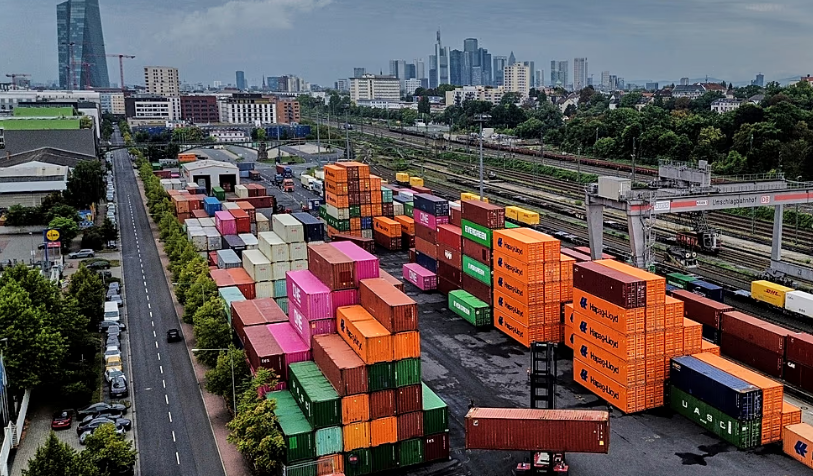
Economic growth across countries where the European Bank for Reconstruction and Development (EBRD) operates is facing headwinds from mounting trade tensions, Chinese competition, and weakening global demand, according to the bank’s latest Regional Economic Prospects report.

Growth in the 43 economies where the EBRD invests rose from 2.8 percent in 2024 to 3.3 percent in the first half of 2025. However, the bank warned of a marked slowdown in the second half of the year, with Central Europe, the Baltics, South-Eastern Europe, Central Asia, and the Southern and Eastern Mediterranean all expected to feel the pressure. The EBRD forecasts average output growth of 3.1 percent in 2025, easing slightly before rebounding to 3.3 percent in 2026.

The outlook is uneven across regions. Several Central European and Baltic economies are among the hardest hit. Slovenia’s growth forecast was sharply cut by 1.2 percentage points, with output now expected to expand by just 0.7 percent this year. The country suffered a steep drop in exports to the United States, equivalent to 1 percent of GDP. Hungary’s forecast was trimmed by 1 percent to 0.5 percent growth, as frozen European Union funds, rising financing costs, and spillovers from Germany’s industrial slowdown weighed heavily. Latvia and Estonia also faced downward revisions of 0.9 and 0.8 percent respectively.

By contrast, Poland’s outlook was upgraded, with growth now projected at 2.5 percent in 2025, supported by infrastructure spending, energy transition projects, and defence investments. Lithuania also saw an improvement in its 2026 forecast. “Countries that are diversified and have invested in public infrastructure, like Poland, are proving more resilient,” said EBRD Chief Economist Beata Javorcik.

See also  Oil Prices Drop as Trump Signals Possible Easing of Sanctions Amid Middle East Tensions

In Eastern Europe and the Caucasus, Ukraine’s growth forecast was reduced by 0.8 percent to 2.5 percent, reflecting the impact of ongoing Russian aggression and weak harvests. In South-Eastern Europe, including Bulgaria, Greece, and Romania, forecasts were cut by 0.3 percent for 2025 and 0.5 percent for 2026, with Romania highlighted as particularly vulnerable unless it can maximize EU funding.

Trade challenges loom large over Europe’s medium-term prospects. Nearly all EU exports to the US are subject to a 15 percent tariff as of August 2025, a measure expected to erode competitiveness despite a temporary boost from frontloaded shipments earlier this year. At the same time, competition from China is intensifying. “China now accounts for a quarter of global exports, more than Germany and the US combined, and is becoming a direct competitor for advanced European countries,” Javorcik noted.

Despite these risks, opportunities remain. Higher US tariffs on Chinese goods could allow Eastern European producers to capture market share, while Chinese foreign investment could bring technology transfers to European industries. Defence and infrastructure spending may also stimulate growth if channeled effectively.

“Spending on energy security, IT infrastructure, and developing next-generation defence systems could benefit the private sector and sustain long-term growth,” Javorcik added.
Business

Fuel Prices Surge Across Europe as Middle East Crisis Pushes Oil Above $100

Published

on

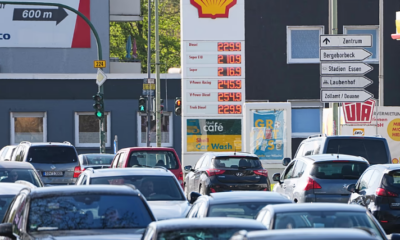
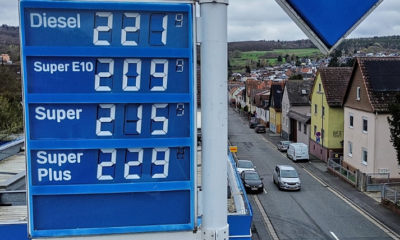
Fuel prices across Europe have risen sharply in recent weeks following the escalation of tensions in the Middle East, with both petrol and diesel costs climbing significantly since late February.

The increase comes as Brent crude oil prices moved above $100 per barrel after a joint strike by the United States and Israel on Iran, triggering concerns about global energy supply. The rise in crude prices has quickly filtered down to consumers across European countries.

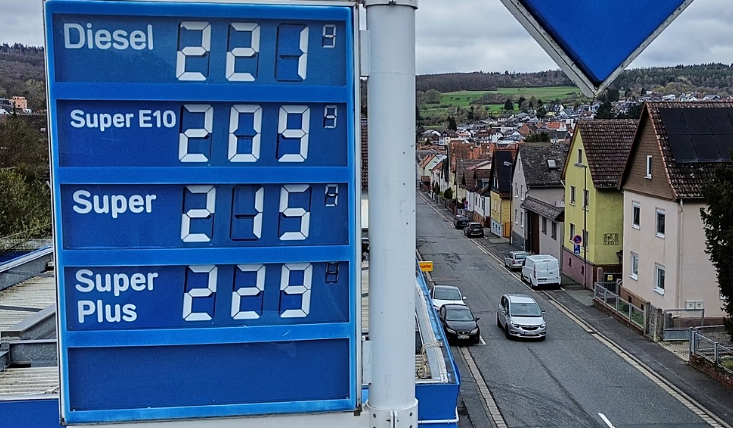
According to the European Commission, the average price of Euro-super 95 petrol in the European Union stood at €1.871 per litre at the end of March, while diesel reached €2.076 per litre. Compared to late February, petrol prices are about 15 percent higher, while diesel has surged by around 30 percent.

There are wide differences in fuel prices across EU member states. The Netherlands recorded the highest diesel prices at €2.46 per litre, followed by Denmark and Germany. Other countries with above-average diesel costs include Finland, Belgium, France and Ireland.

At the other end of the scale, Malta reported the lowest diesel price at €1.21 per litre, significantly below the EU average. Hungary, Slovenia and Bulgaria also ranked among the least expensive markets for diesel. In several countries including Spain, Slovakia and Croatia, diesel prices remained below €2 per litre.

Petrol prices show a similar pattern. The Netherlands again recorded the highest price at €2.33 per litre, with Denmark and Germany also among the most expensive. Greece and France reported petrol prices above €2 per litre as well.

See also  Intel Faces Security Review Calls in China Amid National Security Allegations

Malta had the lowest petrol price at €1.34 per litre, followed by Bulgaria. Other relatively cheaper markets included Slovenia, Hungary and Spain, where prices remained below €1.60 per litre.

The data also highlights the role of taxation in fuel pricing. Taxes account for a significant portion of costs across Europe, making up more than half of petrol prices and nearly 45 percent of diesel prices on average. The share varies by country, with Slovenia recording one of the highest tax proportions on petrol, while Bulgaria had one of the lowest.

Despite the shift toward cleaner energy, traditional fuels continue to dominate the European vehicle market. According to Eurostat, petrol-powered cars accounted for 66.6 percent of new registrations in 2024, followed by diesel vehicles at 16.9 percent and fully electric cars at 13.5 percent.

The latest rise in fuel costs underscores the continued sensitivity of European energy markets to geopolitical developments, with consumers facing increased expenses as global tensions persist.

Continue Reading

Business

Oil Prices Surge as Strait of Hormuz Closure Shakes Markets

Published

on

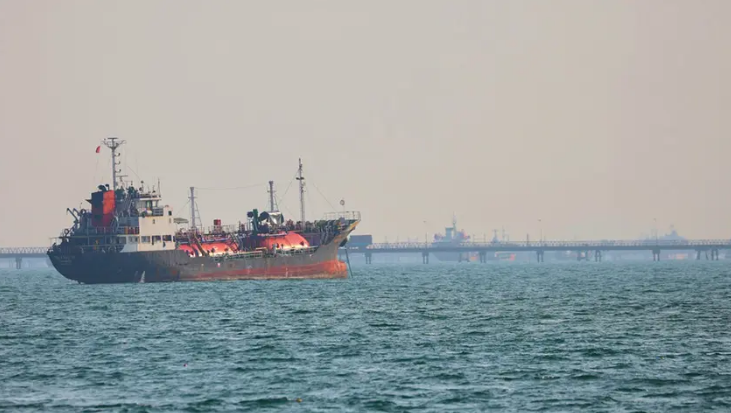
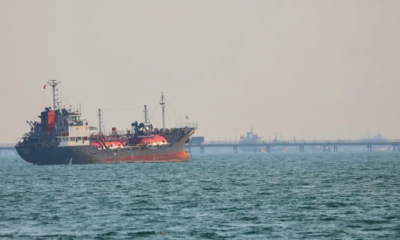
The brief sigh of relief across global markets lasted barely a day. Brent crude climbed sharply back towards $100 a barrel on Thursday after Iran moved to close the Strait of Hormuz, sending a clear signal that the fragile Middle East ceasefire was already fracturing.

The global benchmark was trading at $98.61 a barrel in early afternoon dealings, up about 4 percent, after plunging as much as 16 percent the previous day to below $91. That earlier drop had been driven by optimism that a two-week pause in hostilities between the United States and Iran could ease tensions and stabilize energy flows.

Iran’s move to shut the strategic waterway followed Israeli airstrikes on Hezbollah targets in Lebanon, which Tehran described as a violation of the ceasefire. The Strait of Hormuz is a vital route for global energy supplies, carrying roughly a fifth of the world’s oil and gas. Its closure has raised immediate concerns among governments and businesses about supply disruptions and rising costs.

Sultan Al Jaber, chief executive of Abu Dhabi’s state oil company Adnoc, said Iran appeared to be using control of the strait as a political tool rather than ensuring free navigation. Analysts say such actions could deepen uncertainty for industries that rely heavily on stable energy supplies.

Nigel Green, chief executive of financial advisory firm deVere, warned that the situation leaves a significant share of global oil flows exposed to geopolitical risk. For small and medium-sized businesses already dealing with high energy costs, the renewed volatility adds further pressure.

Stock markets reacted negatively to the developments. The FTSE 100 fell 0.2 percent after posting strong gains the previous day, while Germany’s DAX dropped 1.4 percent and France’s CAC 40 declined 0.7 percent. In Asia, major indexes in Japan, South Korea, and China all closed lower.

See also  Oil Prices Drop as Trump Signals Possible Easing of Sanctions Amid Middle East Tensions

Wall Street, which had rallied strongly on Wednesday with the S&P 500 rising 2.5 percent and the Dow Jones Industrial Average gaining nearly 3 percent, was expected to open lower as investor confidence weakened.

US President Donald Trump said American forces would remain in the Gulf until a lasting agreement is secured and respected, warning of serious consequences if the situation deteriorates further.

Meanwhile, Israel intensified its military operations in Lebanon, carrying out its heaviest strikes since the conflict with the Iran-backed Hezbollah group escalated last month. Reports indicate that more than 250 people have been killed in the latest wave of attacks.

The renewed instability highlights the continued vulnerability of global energy markets to geopolitical tensions. With oil prices approaching $100 a barrel once again, businesses are facing renewed uncertainty, particularly in sectors such as manufacturing and logistics that are highly sensitive to fuel costs.

Continue Reading

Business

Spain Employment Hits Record as Social Security Enrolment Tops 22 Million

Published

on

Spain’s labour market reached a historic milestone in March, with Social Security enrolment surpassing 22 million contributors for the first time, driven by seasonal hiring linked to Easter and continued growth in the services sector.

New data released on Monday showed that the number of contributors, adjusted for seasonal variations, rose to 22,010,532 after 80,274 jobs were added during the month. In average terms, employment increased by 211,510 people, marking the largest rise ever recorded for a March period.

Unadjusted figures also reflected a record level, with more than 21.8 million people registered with Social Security. The government highlighted that the number of contributors has grown by nearly 3.4 million since 2018, pointing to sustained expansion in the labour market.

Officials said the latest gains were supported by increased activity during Easter Week, which traditionally boosts employment in tourism, hospitality and other service-related industries. Growth has also been noted in higher-skilled sectors, including information technology, science and professional services.

The data showed that female employment continues to rise, nearing 10.4 million, while permanent contracts have increased as a share of overall employment. Authorities linked these trends to labour reforms introduced in recent years aimed at improving job stability and workforce participation.

Prime Minister Pedro Sánchez acknowledged the milestone in a brief social media message before later praising workers in a video statement. He said the achievement reflected the efforts of millions of people contributing to the country’s economic progress.

The labour market report also indicated a modest improvement in unemployment. The number of jobless people fell by 0.9 percent in March to 2.42 million, the lowest level recorded for the month since 2008. Over the past year, unemployment has declined by more than 160,000.

See also  Eurozone Inflation Holds at ECB Target, Rate Cuts Unlikely in Near Term

Second Vice-President and Employment Minister Yolanda Díaz said that both female and youth unemployment have reached historic lows. She attributed the positive results to structural changes in the labour market and policies designed to support job creation and stability.

Economists note that while seasonal factors played a role in the March figures, the broader trend points to continued resilience in Spain’s economy. Strong demand in services and ongoing improvements in employment conditions have helped sustain growth despite external uncertainties.

The latest figures underline the strength of Spain’s recovery in recent years, with employment reaching new highs and unemployment continuing its gradual decline.

Continue Reading

Trending