
Business
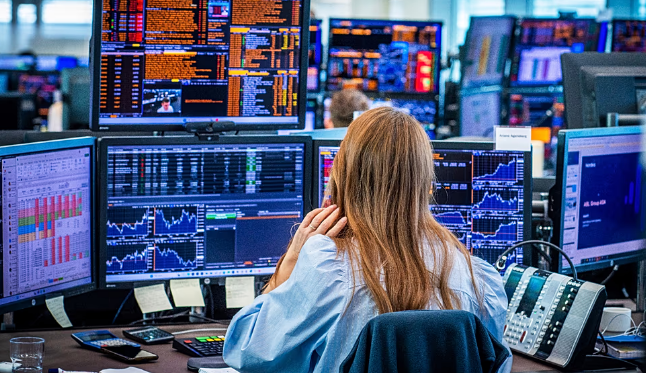
Oil Prices Rise as Trump Warns Iran, Global Markets Retreat



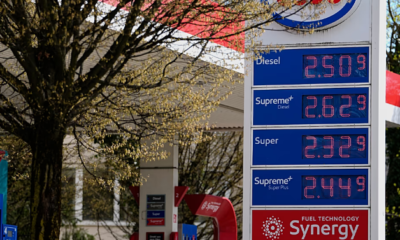


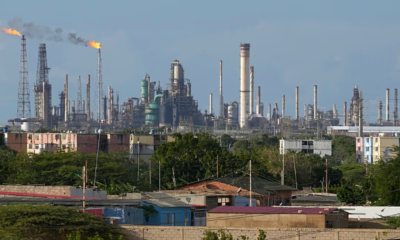


European motorists could face persistently high petrol and diesel prices as tight refining capacity, low fuel inventories and disrupted international trade keep pressure on the market.
Oil prices have moved sharply in recent months as hopes for peace between Iran and the United States have shifted. Brent crude, the international benchmark, has traded between roughly $73 and $126 a barrel since the end of February and stood at about $95 on Friday.
However, crude prices are only part of the story. European fuel costs are also being driven by the availability of refined products, particularly diesel.
Petrol and diesel still dominate Europe’s passenger car fleet despite the growing popularity of electric vehicles. Data from the European Automobile Manufacturers’ Association shows that petrol cars account for 49.2% of vehicles on EU roads, while diesel represents 38.4%. Together, they make up 87.6% of the fleet.
Fuel prices remain close to record levels despite temporary tax cuts and other government support measures introduced in some European countries following the energy crisis.
During the week beginning August 31, petrol averaged €1.95 per litre across the EU, according to the European Commission’s Weekly Oil Bulletin. That was around 4% below the June 2022 peak of €2.03. Diesel averaged €2.04, roughly 3% below its record of €2.11 reached in April 2026.
Analysts say the main problem is increasingly the shortage of refined fuel rather than crude oil itself.
“Crude may be available, but the capacity to convert it into the right products, particularly diesel, has become much tighter,” said Sumit Ritolia, lead analyst for refining supply and modelling at Kpler.
Europe has become heavily dependent on imported diesel and jet fuel since Russia’s invasion of Ukraine disrupted established supply routes. Supplies from the United States, India and the Middle East have filled part of the gap, but conflicts and attacks on refineries have placed additional strain on global markets.
European inventories are also low. Petrol stocks in the Amsterdam-Rotterdam-Antwerp trading hub fell to 752,000 tonnes in late August, their lowest level since September 2021, according to Insights Global.
Refineries in Europe and the United States are operating at high rates, leaving limited spare capacity if another disruption occurs. Autumn maintenance could add to the pressure, while hurricanes could threaten refinery operations along the US Gulf Coast.
Petrol prices may ease as summer driving demand declines and production switches to cheaper winter fuel. Diesel is more vulnerable because winter demand and tighter fuel specifications could keep margins high into the colder months.
Higher exports from India and China could offer some relief, but analysts say sustained additional supplies will be needed.
A reopening of the Strait of Hormuz and a recovery in Middle Eastern fuel exports could quickly lower crude prices. Yet diesel prices may take longer to fall as inventories need to be rebuilt and refined-product supplies restored.
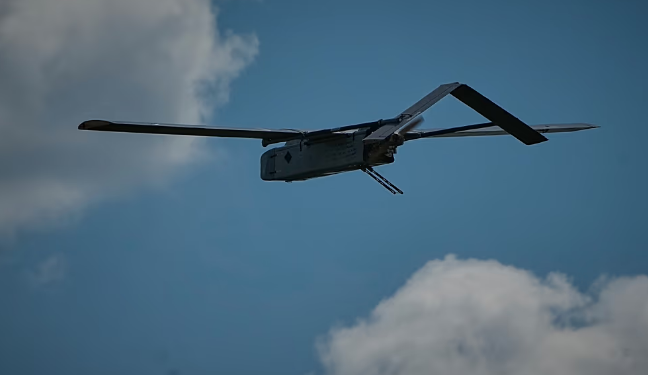
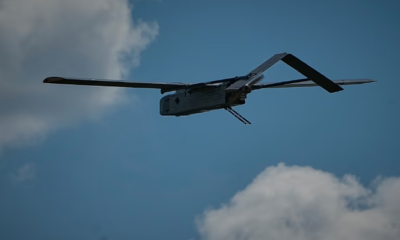
New US tariffs of up to 100% on drones and selected drone components took effect on Thursday as Washington seeks to reduce the country’s dependence on Chinese suppliers in an industry dominated by China.
The duties were introduced under an order signed by US President Donald Trump in August. The White House said the measures were aimed at addressing “the national security threat posed by imports of drones and their components” while strengthening domestic supply chains.
Drones have become increasingly important for military operations, surveillance and critical infrastructure. Their widespread use during the war in Ukraine has highlighted their role in modern warfare and demonstrated how important access to reliable drone technology can be on the battlefield.
US officials have raised concerns about the country’s dependence on Chinese-made drones and components, particularly products manufactured by DJI, the world’s largest commercial drone maker. They argue that reliance on foreign technology could create risks involving disruption, espionage and access to equipment during a conflict.
Under the new tariff structure, drones with a takeoff weight of more than 25 kilograms will face a 100% duty. The same rate applies to drones equipped with thermal imaging capabilities and certain docking stations.
Smaller drones will face a 25% tariff.
Some drone components classified as less sensitive will also be subject to additional duties, although those measures will not take effect until February 9 next year.
The new tariffs are part of a broader effort by the Trump administration to encourage domestic production and reduce exposure to overseas supply chains in sectors considered strategically important.
China has strongly opposed the measures. Beijing called on Washington to withdraw the tariffs shortly after they were announced.
A Chinese commerce ministry spokesman said the duties would “disrupt the global drone supply chain and further undermine a fair and competitive market environment.” He said China firmly opposed the move.
DJI has a particularly strong position in the global drone industry. The company, which was founded in 2006, has accounted for more than two-thirds of the worldwide drone market in recent years, according to several industry studies.
The company has also faced increasing scrutiny from US authorities. Since 2022, DJI has been included on a US government list of Chinese companies considered linked to China’s military, restricting its access to certain US technologies.
DJI has challenged its inclusion on the list and has rejected the allegations surrounding its classification.
The new tariffs could increase costs for US consumers, businesses and organisations that rely on imported drone equipment. At the same time, Washington hopes the measures will encourage manufacturers to establish or expand production inside the United States.
The policy marks another step in the growing technology and trade tensions between Washington and Beijing, with drones emerging as a strategically important industry because of their expanding role in defence, security and commercial operations.
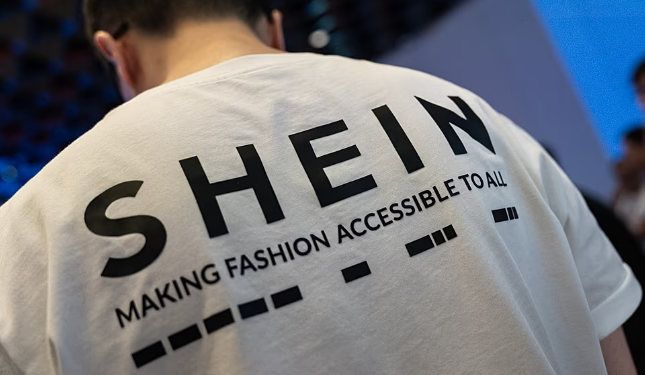
Shein shares fell sharply on their Hong Kong trading debut on Tuesday, dropping as much as 10% before recovering some of the losses, as the fast-fashion company faces rising tariffs and shipping costs that have put pressure on its profits.
The listing marks the end of a lengthy effort by Shein to enter public markets. The company had previously considered listings in New York and London but faced regulatory scrutiny over its Chinese supply chain and business practices. It eventually turned to Hong Kong for its initial public offering.
Shein priced its shares at HK$48.56 each and raised about $1.7 billion (€1.46 billion), making the offering one of Hong Kong’s largest share sales of the year. The company opened its IPO for investors on August 24 before setting the final share price on August 31. Trading began on Tuesday after the exchange completed its approval process.
Shares initially dropped below HK$44 before narrowing their losses.
“Shein’s Hong Kong listing marks a new starting point,” Chief Financial Officer Leigh Gui said during the company’s listing ceremony.
The company has built its global business around producing inexpensive clothing quickly and shipping orders from China to customers in Western markets. That model is now facing higher costs as the US and European Union reduce or end tariff exemptions for low-value parcels from China.
Shein’s profits have been hit by the changing trade environment. The company reported a $99 million (€85 million) loss in the first quarter of the year, compared with a profit of $395 million (€340 million) a year earlier.
Higher shipping expenses have added to the pressure, making it harder for the company to maintain its low-price strategy. Tariff costs have also forced Shein to increase prices, potentially weakening one of its biggest attractions to consumers.
Shein was founded in China in 2012 and later moved its corporate headquarters to Singapore in 2021. Despite that move, its manufacturing network remains closely connected to Guangdong province, where the company developed its small-batch production system.
Founder Sky Xu has described Guangdong as the company’s roots and the starting point of its growth.
The company has also faced regulatory challenges in Europe. In February, the EU opened an investigation into Shein over concerns involving allegedly illegal products, including accusations related to child sexual abuse material.
Shein’s Hong Kong debut values the company at roughly $27 billion (€23.2 billion), far below its peak private-market valuation.
The listing nevertheless gives Hong Kong’s stock market a major boost. The exchange has attracted more than $40 billion (€34.4 billion) through IPOs so far this year, as companies continue to seek access to international investors through the city’s financial markets.

Anak Krakatoa Eruption Disrupts Flights at Indonesia’s Main Airport

Gyirong Port Reduced to Ruins as China-Nepal Flood Disaster Leaves Hundreds Missing

Europe Faces Prolonged High Fuel Prices as Diesel Supplies Tighten

Medieval Manuscripts Reveal Thousands-Year History of Deadly Sheep Virus

Berlin Administration Hit by Massive Data Leak After Ransom Demand

IFA 2026 Showcases AI-Powered Homes Designed to Make Daily Life Easier

North African Dust Set to Worsen Air Quality Across Portugal

New Zealand Approves MDMA Treatment for Severe PTSD Under Strict Medical Controls

White House Launches Arcade Games Promoting Trump Policies, Drawing Criticism

US Imposes Tariffs of Up to 100% on Drones as Washington Targets Chinese Supply Chains

Meta Acquires Tilda Swinton VR Doc ‘Impulse: Playing With Reality’

China’s Historic Olympic Victory Sparks National Pride Amid Controversy

Saudi Arabia’s Model for Sustainable Aviation Practices

Recent Developments in Small Business Taxes

Effective Drain Cleaning: A Key to a Healthy Plumbing System

Who was Ebrahim Raisi and his status in Iranian Politics?

Keely Hodgkinson Wins Britain’s First Athletics Gold at Paris Olympics in 800m

Carrectly: Revolutionizing Car Care in Chicago

Nobel Laureate Muhammad Yunus Proposed as Head of Bangladesh’s Interim Government Following Hasina’s Resignation

Chinese Hackers Infiltrate Major U.S. Telecom Firms in Possible National Security Breach

Sony WF-10XM4: Headphones Are Our Absolute Favorite

10 Places You Can’t Miss If It’s Your First Time in European

New Census Data Will Shake Up Alabama Politics

16 Top of Our Favorite Outdoor Clothing Brands

Fashionable Summer Accessories to Dress Up Your Travel Look

How Sleeping Less than 7 Hours a Night Can Lead to Weight Gain
-
 Entertainment2 years ago
Meta Acquires Tilda Swinton VR Doc ‘Impulse: Playing With Reality’
-
 Sports2 years ago
China’s Historic Olympic Victory Sparks National Pride Amid Controversy
-
 Business2 years ago
Saudi Arabia’s Model for Sustainable Aviation Practices
-
 Business2 years ago
Recent Developments in Small Business Taxes
-
 Home Improvement2 years ago
Effective Drain Cleaning: A Key to a Healthy Plumbing System
-
 Politics2 years ago
Who was Ebrahim Raisi and his status in Iranian Politics?
-
 Sports2 years ago
Keely Hodgkinson Wins Britain’s First Athletics Gold at Paris Olympics in 800m
-
 Business2 years ago
Carrectly: Revolutionizing Car Care in Chicago