
Travel
AI Travel Planning Gains Popularity but Comes with Drawbacks


With artificial intelligence (AI) becoming an increasingly popular tool for simplifying travel planning, many travelers are turning to platforms like ChatGPT, Vacay, and GuideGeek to create customized itineraries in seconds. While AI can significantly reduce the time spent researching and booking trips, users are also discovering its limitations, particularly in outdated recommendations and lack of real-time insights.
According to Omio’s 2024 NowNext travel report, 44% of travelers in Europe and the U.S. have expressed interest in using AI for planning trips this year—an increase from 27% in 2023. AI’s appeal lies in its ability to quickly generate itineraries based on user preferences, providing recommendations for activities, accommodations, and budgeting. A survey by American Express also found that Gen Z and millennial travelers particularly appreciate AI’s assistance in managing expenses, finding activities, and even translating languages while abroad.
To test the effectiveness of AI trip planning, a traveler used ChatGPT, Vacay, and GuideGeek to arrange a three-day budget trip to Tallinn, Estonia. The AI tools generated similar itineraries, including classic attractions like Tallinn’s Old Town, Alexander Nevsky Cathedral, Kadriorg Park, and the Balti Jaam market. The traveler found ChatGPT’s suggestions the most comprehensive and was impressed by how well the AI captured the essence of the city, including visits to Estonia’s oldest cafe, Maiasmokk, and the modern Cafe Reval.
Limitations of AI in Travel Planning
Despite the convenience, the AI-generated trip presented some challenges, particularly regarding restaurant recommendations. Dietary restrictions complicated the process, as the initial suggestions leaned heavily towards traditional Estonian foods like pancakes and elk meat. Refining the search to include more diverse dining options resulted in fewer overall activity recommendations, suggesting that AI struggles with balancing multiple factors simultaneously.
Another major issue was outdated information. Some recommended restaurants, such as Restaurant Vanaema and Juures, were permanently closed, leaving the traveler scrambling for alternative dining options. Other spots, like Cafe Nop, were misrepresented, offering limited menu choices that did not align with the AI descriptions.
This problem extends beyond individual travelers. Travel advisor and writer Coco Tran highlighted that AI tools can lack real-time insights, citing an instance where clients nearly booked a sakura-themed trip to Kyoto without realizing that cherry blossom seasons have shifted due to climate change. She also noted that AI cannot replace the nuanced knowledge gained through years of experience, such as which traditional Japanese inns genuinely welcome foreign guests.
Is AI Worth Using for Travel Planning?
While AI-powered travel planners can be a helpful starting point, experts advise travelers to cross-check AI-generated itineraries with their own research. Double-checking restaurant availability, verifying activity details, and customizing plans based on personal preferences can help avoid inconveniences.
AI may not yet be capable of replacing human expertise, but when used wisely, it can still be a valuable tool for streamlining the travel planning process.
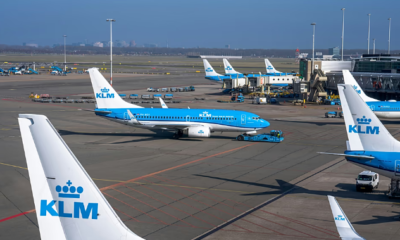





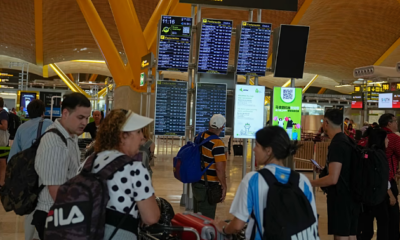






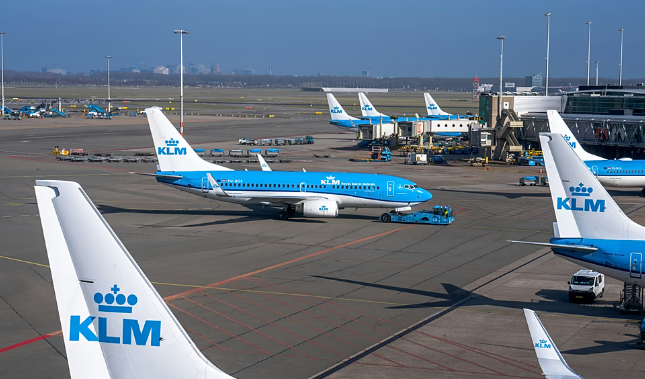
European skies recorded their busiest summer on record in 2026, with airlines operating more flights during the peak July and August holiday period despite disruption linked to the Middle East war.
Data from Eurocontrol, Europe’s aviation safety and air traffic management organisation, showed that the continent handled an average of 35,959 flights per day during the two-month period. That was 2.4% higher than the same period in 2025.
The busiest day came on Friday, July 10, when 37,640 flights were recorded across Europe, marking a new daily traffic record.
Despite the increase in air traffic and disruption caused by the conflict, punctuality also improved. Eurocontrol said 72.6% of flights arrived on time, an increase of 1.2 percentage points compared with 2025.
France continued to account for the largest share of delays linked to air traffic control management problems, representing 32% of all such delays across Europe.
Eurocontrol said the US-Iran war had influenced travel patterns during the 2026 tourist season. The conflict also encouraged some Europeans to choose holiday destinations within the continent, as travellers looked for locations perceived to be closer and safer amid wider regional uncertainty.
Southern and southeastern European countries benefited from the change in travel patterns. Eurocontrol reported lower traffic in Bulgaria, Hungary and Türkiye, while Albania, Croatia, Cyprus, Greece, Montenegro, North Macedonia, Serbia and Slovenia recorded significant increases.
The report also pointed to continued growth in southwestern Europe, highlighting a shift in demand toward destinations that remained accessible despite geopolitical tensions.
Greece experienced particularly strong demand, with record passenger numbers at its airports placing considerable pressure on the country’s air traffic control system during the busiest part of the summer season.
Fourteen countries recorded their highest-ever daily traffic for arrivals and departures during the summer. They included Albania, Armenia, Georgia, Greece, Ireland, Italy, Moldova, North Macedonia, Montenegro, Portugal, Serbia, Slovakia, Spain and Türkiye.
Airlines also experienced exceptionally high levels of activity. Several carriers and airline groups reported record traffic during the period, including Aegean, Air Serbia, easyJet, Jet2.com, Pegasus, Royal Air Maroc, Ryanair, Sky Express, SunExpress, Turkish Airlines and Wizz Air.
The figures indicate that Europe’s aviation sector remained resilient despite geopolitical disruption and changing tourist preferences. While the conflict affected traffic patterns in parts of eastern and southeastern Europe, demand for flights to other European destinations helped push overall summer traffic to unprecedented levels.

Wizz Air has been ranked the least expensive airline in Europe, while British Airways was identified as the costliest major national carrier, according to research comparing passenger revenue generated across 23 European airlines.
The analysis by flight and baggage compensation company AirAdvisor used revenue per available seat kilometre, or RASK, to compare how much airlines earn from passengers for each kilometre flown per available seat.
RASK provides an indication of how much travellers pay relative to distance and available capacity. The measure also reflects additional passenger charges, including fees for baggage and seat selection, rather than relying only on advertised ticket prices.
AirAdvisor said smaller airlines often have higher costs because they operate fewer routes, smaller fleets and services to remote or lower-demand destinations. With fewer seats available and less competition on some routes, fares can be higher.
However, the company said the pattern does not apply universally and travellers should compare prices for individual routes before booking.
The research also found that airline costs generally fell between 2024 and 2025. Among the 14 carriers for which AirAdvisor had year-on-year RASK figures, only five recorded increases, while nine saw their RASK decline.
Norway’s Widerøe topped the overall cost ranking with a RASK of €0.32. The regional airline operates many routes connecting smaller Norwegian airports with larger centres and also serves destinations including Aberdeen, Hamburg and London Southend.
Among major airlines, British Airways ranked as Europe’s most expensive national carrier, with a 2025 RASK of €0.0888. Its figure increased by €0.0038 from the previous year.
Air France and Austrian Airlines shared the next position among the most expensive major carriers, both recording a RASK of €0.0850.
At the other end of the ranking, Hungary-based Wizz Air had the lowest RASK at €0.0433, making it the least expensive airline in AirAdvisor’s comparison.
The company estimated that choosing Wizz Air instead of Air France could save travellers up to €50 on an average European flight distance, although actual savings depend on the route and additional fees.
easyJet ranked second among the least expensive airlines, with its RASK falling from €0.0770 in 2024 to €0.0521 in 2025.
Ryanair took third place, with RASK declining from €0.0843 to €0.0556 over the same period.
Among the 11 major national airlines included in the study, Finnair was ranked the least expensive.
The findings suggest that airline pricing can vary significantly even among national carriers, while the cost differences between airlines become more noticeable when viewed across typical travel distances.
AirAdvisor advised passengers to use such comparisons as a guide rather than a guarantee of the final fare, as route-specific pricing, luggage charges, seat fees and other extras can significantly affect the total cost of a journey.


Congenital Infections Linked to Higher Risks of Autism and Intellectual Disability

Spain’s Housing Market Faces Growing Pressure as Big Landlords Expand

Oxfam Calls for Reform of France’s Dutreil Pact to Raise Billions

Volkswagen Removed From Euro Stoxx 50 After Profit Warning

French Diesel Prices Hit Record as Middle East War Drives EU Fuel Costs Higher

Volvo Cars Names Škoda Chief Klaus Zellmer as Next CEO


US Embassies Warn Americans of Rapidly Escalating Middle East Conflict

Baby Essentials Cost Thousands of Euros Across Europe, Study Finds

Global Survey Finds Growing Concern Over AI-Driven Job Losses

Meta Acquires Tilda Swinton VR Doc ‘Impulse: Playing With Reality’

China’s Historic Olympic Victory Sparks National Pride Amid Controversy

Saudi Arabia’s Model for Sustainable Aviation Practices

Recent Developments in Small Business Taxes

Effective Drain Cleaning: A Key to a Healthy Plumbing System

Who was Ebrahim Raisi and his status in Iranian Politics?

Keely Hodgkinson Wins Britain’s First Athletics Gold at Paris Olympics in 800m

Carrectly: Revolutionizing Car Care in Chicago

Nobel Laureate Muhammad Yunus Proposed as Head of Bangladesh’s Interim Government Following Hasina’s Resignation

Chinese Hackers Infiltrate Major U.S. Telecom Firms in Possible National Security Breach

Sony WF-10XM4: Headphones Are Our Absolute Favorite

10 Places You Can’t Miss If It’s Your First Time in European

New Census Data Will Shake Up Alabama Politics

16 Top of Our Favorite Outdoor Clothing Brands

Fashionable Summer Accessories to Dress Up Your Travel Look

How Sleeping Less than 7 Hours a Night Can Lead to Weight Gain
-
 Entertainment2 years ago
Meta Acquires Tilda Swinton VR Doc ‘Impulse: Playing With Reality’
-
 Sports2 years ago
China’s Historic Olympic Victory Sparks National Pride Amid Controversy
-
 Business2 years ago
Saudi Arabia’s Model for Sustainable Aviation Practices
-
 Business2 years ago
Recent Developments in Small Business Taxes
-
 Home Improvement2 years ago
Effective Drain Cleaning: A Key to a Healthy Plumbing System
-
 Politics2 years ago
Who was Ebrahim Raisi and his status in Iranian Politics?
-
 Sports2 years ago
Keely Hodgkinson Wins Britain’s First Athletics Gold at Paris Olympics in 800m
-
 Business2 years ago
Carrectly: Revolutionizing Car Care in Chicago