
News
Loy Krathong Festival to Illuminate Thailand with Tradition and History This November

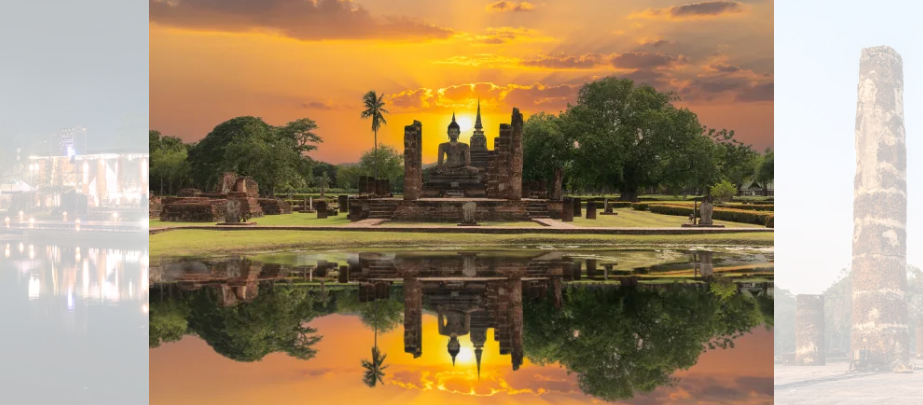
As Thailand prepares to celebrate Loy Krathong on November 15, the annual festival will once again see thousands of people gathering by rivers, lakes, and ponds to release decorative floats, or “krathongs,” as an offering to the water goddess. Observed on the full moon of the 12th month in the Thai lunar calendar, this enchanting tradition is one of Thailand’s most beloved cultural events, attracting locals and tourists alike to experience the beauty of light and water.
Though Loy Krathong events take place across Thailand, the most significant celebration is held in Sukhothai, a UNESCO World Heritage Site and former capital of the Kingdom of Siam. Sukhothai’s week-long Festival of Lights features grand parades, fireworks, and light shows that transform the city’s ancient monuments, creating a dramatic display against the backdrop of historic temples and serene ponds. This immersive experience allows visitors to explore the city’s heritage with an unforgettable ambiance of celebration.
Sukhothai’s historical significance lies in its role as the first capital of Siam, dating back to the 13th and 14th centuries, before Ayutthaya became the new capital in 1438. The Sukhothai Historical Park, which houses well-preserved Buddhist monasteries and examples of early Thai architecture, draws visitors from around the world. Wat Mahathat, the centerpiece of the park, and Wat Si Chum, with its iconic seated Buddha, are among the must-see landmarks.
“The first impression for many tourists visiting Sukhothai is how peaceful it is, how the local lifestyle coexists harmoniously with the historical sites,” says Sirawee Lamsudjai, a cultural officer at Sukhothai’s Ramkhamhaeng National Museum. “The city has retained its charm and offers a unique glimpse into Thai culture and history.”
Sukhothai is also recognized for its innovations, particularly in water management. The ancient city’s hydraulic engineering system included a network of reservoirs, ponds, and canals that supplied water for agriculture, daily life, and religious rituals. UNESCO praises this early engineering as a testament to the advanced knowledge of water management in ancient Siam.
While Sukhothai is often considered the birthplace of Loy Krathong, historians debate its origins. Tongthong Chandransu, a historian specializing in Thai cultural history, notes that although candle and firework festivals were documented, early records do not mention krathongs specifically. Instead, it is believed that the ritual evolved over time, with the floats symbolizing gratitude to Phra Mae Khongkha, the Goddess of Water, for the essential role water plays in Thai life.
Today, concerns about environmental sustainability have led to the development of biodegradable krathongs made from bread or natural materials, as traditional banana plant floats accumulate waste in waterways. Some participants opt for virtual krathongs or use pools to celebrate without affecting local ecosystems.
With its rich history, cultural depth, and stunning display of lights, Loy Krathong remains a cherished Thai tradition, offering a unique look into the country’s heritage. Sukhothai, located six hours by car or an 80-minute flight from Bangkok, is a particularly atmospheric setting for the festival. For those interested in history, the Ramkhamhaeng National Museum near the historical park exhibits artifacts unearthed during excavations, adding context to the city’s storied past.
As the full moon rises over Thailand’s waters, Loy Krathong will continue to enchant visitors, symbolizing the beauty of tradition in harmony with nature.









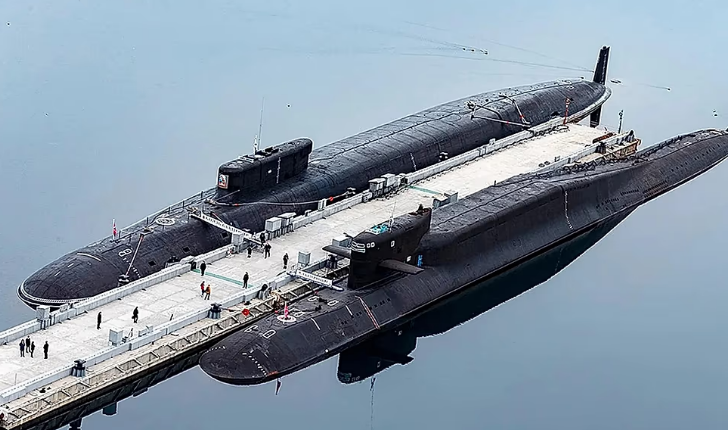
Britain and Norway have launched new joint naval patrols aimed at protecting undersea cables from Russia, with a combined fleet of at least 13 warships safeguarding critical infrastructure in the North Atlantic, officials said. The announcement follows discussions in December between UK Prime Minister Keir Starmer and Norwegian Prime Minister Jonas Gahr Støre on defense cooperation.
British Defence Secretary John Healey said on Thursday that the operation was designed to deter Russian submarines suspected of “malign activity” near undersea infrastructure north of the UK. A frigate, aircraft, and hundreds of personnel monitored a Russian attack submarine and two spy vessels during an operation lasting more than a month. Healey said the Russian ships eventually left the area.
His message to Moscow was clear: “We see your activity over our cables and our pipelines, and you should know that any attempt to damage them will not be tolerated and will have serious consequences.” Healey emphasized that while global attention is focused on conflicts in the Middle East, Russia remains the main threat to the UK and its allies.
British officials have highlighted the overlap between Russia’s support for Iran and its ongoing war in Ukraine. Tehran has provided Moscow with Shahed drones, which are now also manufactured in Russia under the designation Geran. Healey said, “Putin would want us to be distracted by the Middle East. We will not take our eyes off Putin.”
The UK has also prepared to seize ships suspected of being part of Russia’s “shadow fleet,” a flotilla of old oil tankers of unclear ownership designed to bypass international sanctions imposed over Moscow’s 2022 invasion of Ukraine. Previously, the UK only assisted France and the US in monitoring such vessels. Healey said, “We are ready to take action” against these ships.
Norwegian Defence Minister Tore O. Sandvik, who signed the joint naval agreement with Healey, said the patrols allow both countries to “defend themselves together.” The deployment builds on a £10 billion (€11 billion) deal for Norway to purchase at least five British-made frigates, which, together with eight British ships, will operate along NATO’s northern flank.
Russian naval activity near UK waters has reportedly risen by 30 percent over the past two years. NATO officials have also warned that attacks on undersea cables are among the “most active threats” to Western infrastructure. Acting Assistant Secretary General for Innovation, Hybrid, and Cyber, James Appathurai, said recent incidents in the Baltic Sea and elsewhere reflect Russia’s long-term undersea program, which includes research ships, submarines, unmanned vehicles, divers, and explosives targeting communications and energy pipelines.
The new UK-Norway patrols signal a heightened focus on securing vital maritime infrastructure amid rising geopolitical tensions and increasing Russian naval operations in European waters.

Title: From Private Jets to Spaceflights: Ultra-Luxury Travel Redefines Exclusive Exploration

US States Outpace EU Economies in Wealth Per Capita While Europe Remains Competitive in Total GDP

Record Turnout Reported as Hungary’s Parliamentary Election Draws Millions to the Polls

Hungary Votes in High-Stakes Election as Orbán Faces Strongest Challenge in Years

Genetic Differences May Shape Effectiveness of Popular Weight-Loss Drugs, Study Finds

Seven-Day Meditation Retreat Linked to Measurable Changes in Brain and Body, Study Finds

Fuel Prices Surge Across Europe as Middle East Crisis Pushes Oil Above $100

Oil Prices Surge as Strait of Hormuz Closure Shakes Markets

Britain and Norway Step Up Naval Patrols to Protect Undersea Infrastructure from Russia

Meta Launches Muse Spark, Its First Major AI Model in Nine Months

Meta Acquires Tilda Swinton VR Doc ‘Impulse: Playing With Reality’

Saudi Arabia’s Model for Sustainable Aviation Practices

Recent Developments in Small Business Taxes

Effective Drain Cleaning: A Key to a Healthy Plumbing System

Who was Ebrahim Raisi and his status in Iranian Politics?

China’s Historic Olympic Victory Sparks National Pride Amid Controversy

Carrectly: Revolutionizing Car Care in Chicago

Keely Hodgkinson Wins Britain’s First Athletics Gold at Paris Olympics in 800m

Saudi Arabia: Foreign Direct Investment Rises by 5.6% in Q1

Chinese Hackers Infiltrate Major U.S. Telecom Firms in Possible National Security Breach

Sony WF-10XM4: Headphones Are Our Absolute Favorite

10 Places You Can’t Miss If It’s Your First Time in European

New Census Data Will Shake Up Alabama Politics

16 Top of Our Favorite Outdoor Clothing Brands

Fashionable Summer Accessories to Dress Up Your Travel Look

How Sleeping Less than 7 Hours a Night Can Lead to Weight Gain
-
 Entertainment2 years ago
Meta Acquires Tilda Swinton VR Doc ‘Impulse: Playing With Reality’
-
 Business2 years ago
Saudi Arabia’s Model for Sustainable Aviation Practices
-
 Business2 years ago
Recent Developments in Small Business Taxes
-
 Home Improvement1 year ago
Effective Drain Cleaning: A Key to a Healthy Plumbing System
-
 Politics2 years ago
Who was Ebrahim Raisi and his status in Iranian Politics?
-
 Sports2 years ago
China’s Historic Olympic Victory Sparks National Pride Amid Controversy
-
 Business2 years ago
Carrectly: Revolutionizing Car Care in Chicago
-
 Sports2 years ago
Keely Hodgkinson Wins Britain’s First Athletics Gold at Paris Olympics in 800m