
Business
Wealth Taxes Survive in Only Three European Countries Amid Ongoing Debate

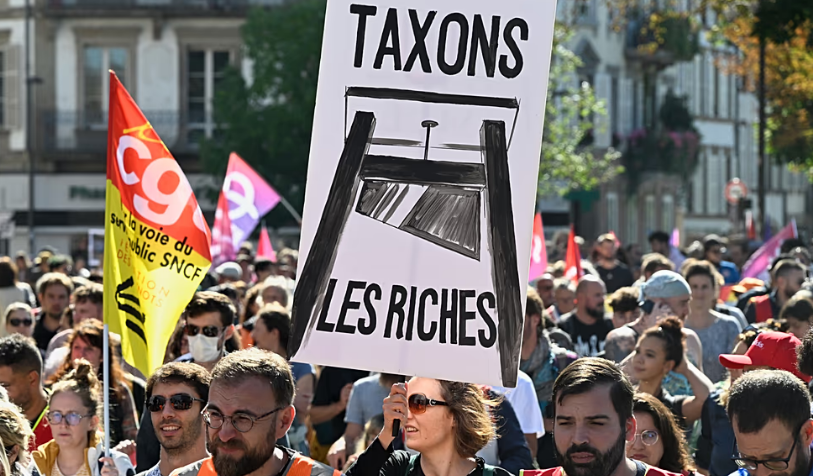
As Europe grapples with widening inequality, only three countries — Spain, Norway and Switzerland — continue to levy net wealth taxes on individuals in 2025, even as calls for taxing the richest resurface across the continent.
Wealth concentration remains stark. According to the European Central Bank, the wealthiest 5% of households in the eurozone hold 45% of net household wealth, while the top 10% control more than 57%. That imbalance has reignited debate over the role of wealth taxation in reducing inequality, though most countries have rolled back such measures in recent decades.
In Spain, residents face a progressive wealth tax on assets above €700,000, with rates between 0.16% and 3.5%. Non-residents are taxed only on assets within Spain. Since 2022, the government has also imposed a “solidarity wealth tax” on individuals with assets above €3 million, initially a temporary response to the cost-of-living crisis but now permanent.
Norway applies a 1% wealth tax on individuals with assets exceeding NOK 1.7 million (€145,425) and up to NOK 20 million, rising to 1.1% above that threshold. Municipalities collect the bulk of the revenue, with a smaller share going to the state.
Switzerland’s wealth tax, meanwhile, applies widely due to relatively low exemption thresholds. Rules vary by canton, but in Zurich, for instance, the levy begins at CHF 80,000 (€85,560) for single taxpayers, with rates climbing gradually to 0.3% for wealth above CHF 3.26 million (€3.49 million). This structure means a significant portion of the middle class is also affected.
Other countries, including France, Italy, Belgium and the Netherlands, tax only certain asset classes. France imposes a real estate wealth tax on properties valued at more than €1.3 million, with rates up to 1.5%.
The fiscal importance of these taxes remains limited. OECD figures show that in 2023, Switzerland collected €9.5 billion from wealth taxes — 4.3% of its total tax revenue and 1.16% of GDP. Spain raised €3.1 billion (0.6% of tax revenue), Norway €2.7 billion (1.5%), and France €2.3 billion (0.2%).
Over the past three decades, however, the trend has been in the opposite direction. Twelve OECD countries had net wealth taxes in 1990, compared with just four in 2017. Since then, Austria, Denmark, Germany, the Netherlands, Finland, Iceland, Luxembourg and Sweden have repealed theirs, citing high administrative costs, inefficiency, and the risk of capital flight.
“Although discussions about imposing wealth taxes are increasing, especially as governments seek to target the wealthy and generate revenue, the overall trend is to repeal them,” said Cristina Enache, an economist at the Tax Foundation. She noted that wealthy taxpayers are often highly mobile, and hikes can prompt them to relocate, taking not only wealth tax revenue but also income and consumption tax contributions with them.
Despite persistent public debate — most recently stirred by French billionaire Bernard Arnault’s criticism of a proposed 2% levy on ultra-wealthy citizens — Europe’s experience suggests that governments remain cautious about expanding wealth taxes, even as inequality deepens.











Genetic Differences May Shape Effectiveness of Popular Weight-Loss Drugs, Study Finds

Seven-Day Meditation Retreat Linked to Measurable Changes in Brain and Body, Study Finds

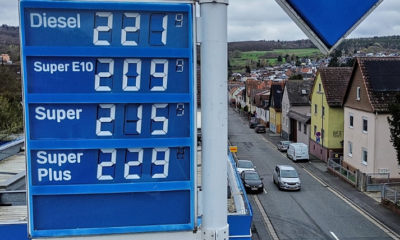
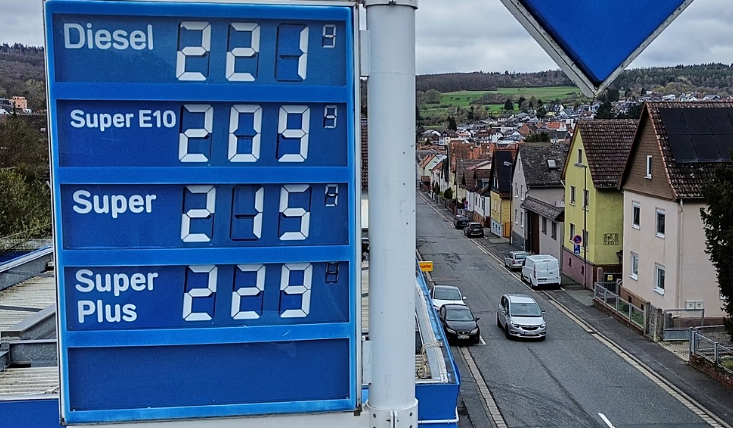
Fuel Prices Surge Across Europe as Middle East Crisis Pushes Oil Above $100

Oil Prices Surge as Strait of Hormuz Closure Shakes Markets

Britain and Norway Step Up Naval Patrols to Protect Undersea Infrastructure from Russia

Meta Launches Muse Spark, Its First Major AI Model in Nine Months

Fresh Attacks Reported Across Gulf Despite US-Iran Ceasefire Announcement

Sweden Accuses Iran of Using Criminal Gangs to Target Dissidents as Teenagers Face Trial

US-Iran Ceasefire Eases Tensions as Europe Reacts; US Politics Spill Into Hungary Vote

ENI and Egypt Announce Major Gas Discovery Amid Rising Energy Costs

Meta Acquires Tilda Swinton VR Doc ‘Impulse: Playing With Reality’

Saudi Arabia’s Model for Sustainable Aviation Practices

Recent Developments in Small Business Taxes

Effective Drain Cleaning: A Key to a Healthy Plumbing System

Who was Ebrahim Raisi and his status in Iranian Politics?

China’s Historic Olympic Victory Sparks National Pride Amid Controversy

Carrectly: Revolutionizing Car Care in Chicago

Keely Hodgkinson Wins Britain’s First Athletics Gold at Paris Olympics in 800m

Saudi Arabia: Foreign Direct Investment Rises by 5.6% in Q1

Chinese Hackers Infiltrate Major U.S. Telecom Firms in Possible National Security Breach

Sony WF-10XM4: Headphones Are Our Absolute Favorite

10 Places You Can’t Miss If It’s Your First Time in European

New Census Data Will Shake Up Alabama Politics

16 Top of Our Favorite Outdoor Clothing Brands

Fashionable Summer Accessories to Dress Up Your Travel Look

How Sleeping Less than 7 Hours a Night Can Lead to Weight Gain
-
 Entertainment2 years ago
Meta Acquires Tilda Swinton VR Doc ‘Impulse: Playing With Reality’
-
 Business2 years ago
Saudi Arabia’s Model for Sustainable Aviation Practices
-
 Business2 years ago
Recent Developments in Small Business Taxes
-
 Home Improvement1 year ago
Effective Drain Cleaning: A Key to a Healthy Plumbing System
-
 Politics2 years ago
Who was Ebrahim Raisi and his status in Iranian Politics?
-
 Sports2 years ago
China’s Historic Olympic Victory Sparks National Pride Amid Controversy
-
 Business2 years ago
Carrectly: Revolutionizing Car Care in Chicago
-
 Sports2 years ago
Keely Hodgkinson Wins Britain’s First Athletics Gold at Paris Olympics in 800m