
Business
German Aerospace Industry Backs Targeted EU Tariffs on U.S. Aircraft, Warns Against Disrupting Global Supply Chain

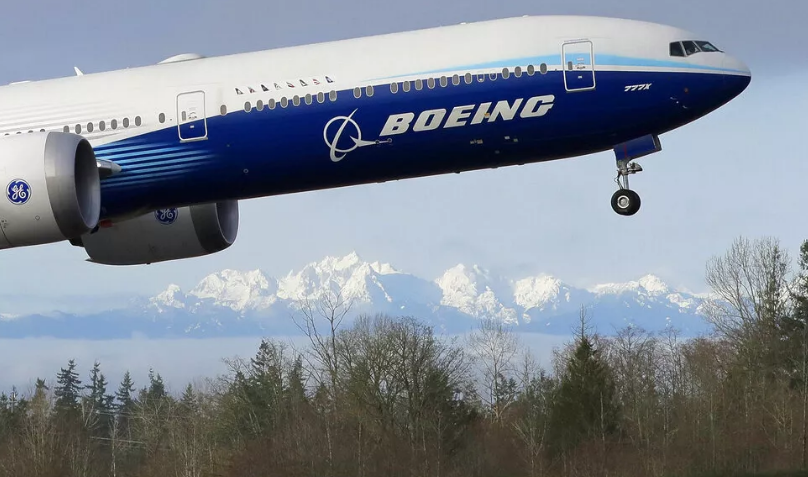
Germany’s aerospace sector has thrown its support behind France in urging the European Union to impose retaliatory tariffs exclusively on finished U.S. aircraft and helicopters—rather than on spare parts—if current transatlantic trade negotiations collapse.
The German Aerospace Industries Association (BDLI) told Euronews that any EU countermeasures should carefully avoid harming the intricate global supply chains that link American and European aerospace manufacturers.
“If the EU must respond, counter-tariffs should focus strictly on fully finished aerospace end products – such as complete aircraft and helicopters – and explicitly exclude spare parts or critical products,” BDLI said in a written statement. “This is essential to avoid unintended harm to European and global production networks.”
The comments align Germany with France’s long-held position, supported by both the French government and aerospace giant Airbus. Airbus CEO Guillaume Faury, who also chairs France’s aerospace trade body GIFAS, has previously warned that targeting spare parts could disrupt supply chains and hinder production on both sides of the Atlantic.
Aircraft and aerospace components are included in a draft European Commission list of $95 billion (€95 billion) worth of American goods that could face tariffs, should talks between Brussels and Washington fail. The list, which closed for industry consultation on June 10, is now pending approval from EU member states.
Industry insiders say the French government is backing its aerospace sector’s call for restraint on parts tariffs. In response, the United States has launched its own investigation, which could lead to new tariffs on EU aerospace products.
The escalating dispute risks reviving tensions in the decades-long Boeing-Airbus rivalry. Yet the aerospace sectors in both economies are deeply interdependent. For instance, the LEAP aircraft engine, used by both Airbus and Boeing, is jointly manufactured by France’s Safran and U.S.-based General Electric.
Ongoing EU-U.S. negotiations remain focused on avoiding this trade cliff. European Commission President Ursula von der Leyen and U.S. President Donald Trump discussed the matter during a meeting at the G7 summit in Canada on Monday. Both leaders reportedly instructed their teams to fast-track talks.
EU Trade Commissioner Maroš Šefčovič also met with U.S. Trade Representative Jamieson Greer during the G7 summit. Further discussions are scheduled to continue in Washington later this week, according to an EU spokesperson.
Currently, the U.S. imposes tariffs of 50% on EU steel and aluminium, 25% on cars, and 10% on other imports. President Trump has threatened to raise all EU import tariffs to 50% if no “fair” agreement is reached by July 9.














Genetic Differences May Shape Effectiveness of Popular Weight-Loss Drugs, Study Finds

Seven-Day Meditation Retreat Linked to Measurable Changes in Brain and Body, Study Finds

Fuel Prices Surge Across Europe as Middle East Crisis Pushes Oil Above $100

Oil Prices Surge as Strait of Hormuz Closure Shakes Markets

Britain and Norway Step Up Naval Patrols to Protect Undersea Infrastructure from Russia

Meta Launches Muse Spark, Its First Major AI Model in Nine Months

Fresh Attacks Reported Across Gulf Despite US-Iran Ceasefire Announcement

Sweden Accuses Iran of Using Criminal Gangs to Target Dissidents as Teenagers Face Trial

US-Iran Ceasefire Eases Tensions as Europe Reacts; US Politics Spill Into Hungary Vote

ENI and Egypt Announce Major Gas Discovery Amid Rising Energy Costs

Meta Acquires Tilda Swinton VR Doc ‘Impulse: Playing With Reality’

Saudi Arabia’s Model for Sustainable Aviation Practices

Recent Developments in Small Business Taxes

Effective Drain Cleaning: A Key to a Healthy Plumbing System

Who was Ebrahim Raisi and his status in Iranian Politics?

China’s Historic Olympic Victory Sparks National Pride Amid Controversy

Carrectly: Revolutionizing Car Care in Chicago

Keely Hodgkinson Wins Britain’s First Athletics Gold at Paris Olympics in 800m

Saudi Arabia: Foreign Direct Investment Rises by 5.6% in Q1

Chinese Hackers Infiltrate Major U.S. Telecom Firms in Possible National Security Breach

Sony WF-10XM4: Headphones Are Our Absolute Favorite

10 Places You Can’t Miss If It’s Your First Time in European

New Census Data Will Shake Up Alabama Politics

16 Top of Our Favorite Outdoor Clothing Brands

Fashionable Summer Accessories to Dress Up Your Travel Look

How Sleeping Less than 7 Hours a Night Can Lead to Weight Gain
-
 Entertainment2 years ago
Meta Acquires Tilda Swinton VR Doc ‘Impulse: Playing With Reality’
-
 Business2 years ago
Saudi Arabia’s Model for Sustainable Aviation Practices
-
 Business2 years ago
Recent Developments in Small Business Taxes
-
 Home Improvement1 year ago
Effective Drain Cleaning: A Key to a Healthy Plumbing System
-
 Politics2 years ago
Who was Ebrahim Raisi and his status in Iranian Politics?
-
 Sports2 years ago
China’s Historic Olympic Victory Sparks National Pride Amid Controversy
-
 Business2 years ago
Carrectly: Revolutionizing Car Care in Chicago
-
 Sports2 years ago
Keely Hodgkinson Wins Britain’s First Athletics Gold at Paris Olympics in 800m