
Business
EU Labour Market Slack Reveals ‘Hidden Unemployment’ Beyond Official Jobless Figures

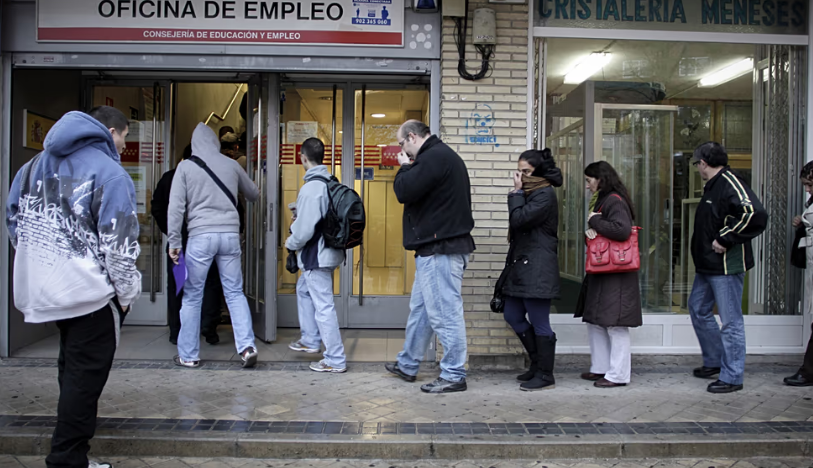
Europe’s unemployment rate does not capture the full scale of underutilised labour, with new Eurostat figures showing that millions more are effectively without work when broader measures are considered.
According to data for the second quarter of 2025, 13.3 million people aged 15 to 74 in the EU were officially unemployed. But when including groups excluded by the standard definition of unemployment—such as those available to work but not actively seeking, underemployed part-timers, and people looking for work but not immediately available—the figure rises to 26.8 million.
This broader measure, known as labour market slack, provides a more comprehensive picture of Europe’s workforce challenges. Eurostat reported that slack stood at 11.7 percent of the EU labour force in Q2 2025, compared with an official unemployment rate of 5.8 percent. The remainder included 2.6 percent who were available to work but not actively job-hunting, 2.4 percent underemployed in part-time roles, and 0.9 percent seeking work but not available to start immediately.
The disparities across Europe are stark. Labour market slack ranged from just 5.1 percent in Poland—the lowest level in the bloc—to 25.8 percent in Turkey, which Eurostat described as an outlier. Finland (19.5 percent), Sweden (18.8 percent), and Spain (18.6 percent) also ranked among the highest. By contrast, Slovenia (5.3 percent), Malta (5.4 percent), and Bulgaria (5.5 percent) joined Poland at the lower end of the scale.
Among the EU’s four largest economies, Germany recorded the lowest slack at 7.8 percent, comfortably beneath the EU average. France (15.4 percent), Italy (15 percent), and Spain (18.6 percent), however, were all in the top cluster.
Experts say these differences stem from several factors. Dorothea Schmidt-Klau, head of the employment, labour markets and youth branch at the International Labour Organization in Geneva, said persistently high unemployment in some countries had discouraged active job searching. “Decades of high unemployment have created a sense that searching is futile,” she noted.
Other drivers include weak support systems, such as limited childcare options, and cultural norms that restrict labour participation. In addition, skills mismatches and a shortage of high-quality jobs often leave workers discouraged even after investing in training.
The share of people available to work but not actively seeking varies sharply across Europe. In Czechia, this group represented just 0.3 percent of the labour force, compared with 12.3 percent in Turkey, where it even exceeded the unemployment rate of 8.6 percent.
Part-time underemployment is another significant contributor. The Netherlands (5.1 percent), Finland (4.8 percent), and Ireland (4.7 percent) recorded the highest shares, with Switzerland, Turkey, and Spain also above 4 percent.
In countries such as the Netherlands, Turkey, Ireland, and Switzerland, unemployment accounts for only around one-third of labour market slack—highlighting that traditional jobless figures significantly understate the scale of underutilised labour.











Genetic Differences May Shape Effectiveness of Popular Weight-Loss Drugs, Study Finds

Seven-Day Meditation Retreat Linked to Measurable Changes in Brain and Body, Study Finds

Fuel Prices Surge Across Europe as Middle East Crisis Pushes Oil Above $100

Oil Prices Surge as Strait of Hormuz Closure Shakes Markets

Britain and Norway Step Up Naval Patrols to Protect Undersea Infrastructure from Russia

Meta Launches Muse Spark, Its First Major AI Model in Nine Months

Fresh Attacks Reported Across Gulf Despite US-Iran Ceasefire Announcement

Sweden Accuses Iran of Using Criminal Gangs to Target Dissidents as Teenagers Face Trial

US-Iran Ceasefire Eases Tensions as Europe Reacts; US Politics Spill Into Hungary Vote

ENI and Egypt Announce Major Gas Discovery Amid Rising Energy Costs

Meta Acquires Tilda Swinton VR Doc ‘Impulse: Playing With Reality’

Saudi Arabia’s Model for Sustainable Aviation Practices

Recent Developments in Small Business Taxes

Effective Drain Cleaning: A Key to a Healthy Plumbing System

Who was Ebrahim Raisi and his status in Iranian Politics?

China’s Historic Olympic Victory Sparks National Pride Amid Controversy

Carrectly: Revolutionizing Car Care in Chicago

Keely Hodgkinson Wins Britain’s First Athletics Gold at Paris Olympics in 800m

Saudi Arabia: Foreign Direct Investment Rises by 5.6% in Q1

Chinese Hackers Infiltrate Major U.S. Telecom Firms in Possible National Security Breach

Sony WF-10XM4: Headphones Are Our Absolute Favorite

10 Places You Can’t Miss If It’s Your First Time in European

New Census Data Will Shake Up Alabama Politics

16 Top of Our Favorite Outdoor Clothing Brands

Fashionable Summer Accessories to Dress Up Your Travel Look

How Sleeping Less than 7 Hours a Night Can Lead to Weight Gain
-
 Entertainment2 years ago
Meta Acquires Tilda Swinton VR Doc ‘Impulse: Playing With Reality’
-
 Business2 years ago
Saudi Arabia’s Model for Sustainable Aviation Practices
-
 Business2 years ago
Recent Developments in Small Business Taxes
-
 Home Improvement1 year ago
Effective Drain Cleaning: A Key to a Healthy Plumbing System
-
 Politics2 years ago
Who was Ebrahim Raisi and his status in Iranian Politics?
-
 Sports2 years ago
China’s Historic Olympic Victory Sparks National Pride Amid Controversy
-
 Business2 years ago
Carrectly: Revolutionizing Car Care in Chicago
-
 Sports2 years ago
Keely Hodgkinson Wins Britain’s First Athletics Gold at Paris Olympics in 800m