
Business
Amazon Posts Strong Q1 Results, Beats Estimates Despite Trade Uncertainty

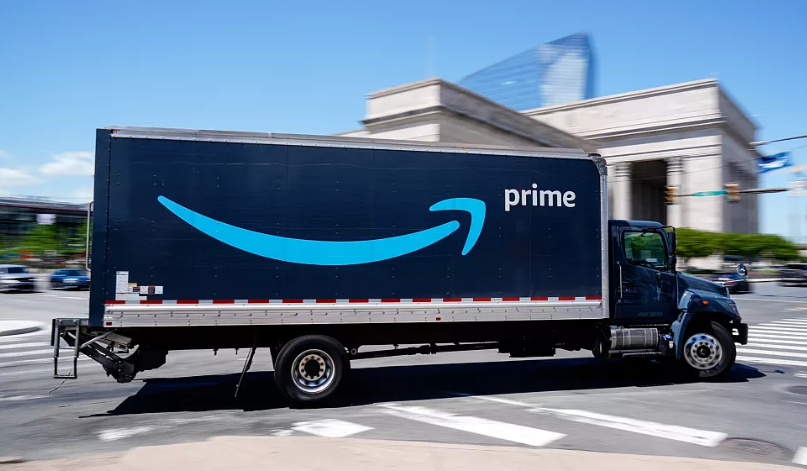
Amazon posted robust first-quarter earnings and revenue that exceeded Wall Street expectations, highlighting the tech giant’s continued dominance in e-commerce and cloud computing despite mounting global economic and trade headwinds.
The company reported a net income of $17.13 billion, or $1.59 per share, for the three months ending March 31, up significantly from $10.43 billion, or 98 cents per share, during the same period last year. Revenue rose 9% year-over-year to $155.7 billion, topping analysts’ forecasts of around $154 billion.
Amazon Web Services (AWS), the company’s highly profitable cloud arm, was a major driver of growth, with sales climbing 17% to $29.3 billion. AWS remains central to Amazon’s broader strategy, especially as the company ramps up investment in generative artificial intelligence and custom-built data center infrastructure.
CEO Andy Jassy emphasized the company’s resilience amid economic uncertainty, telling analysts that Amazon’s value proposition — low prices, wide product selection, and reliable delivery — makes it a preferred choice during turbulent times. “When there are uncertain environments, customers tend to choose the provider they trust most,” Jassy said. “We have emerged from these eras with more market share and are better positioned for the future.”
Jassy also addressed the impact of the Biden administration’s new tariffs on Chinese imports — including a 145% duty rate — noting that many third-party sellers on Amazon had accelerated shipments ahead of the changes. While this helped avoid immediate price hikes, Jassy warned that long-term effects are still uncertain. He pledged the company would do all it could to maintain affordability for customers.
Amazon could benefit from the policy shift as it raises costs for rival platforms like Shein and Temu, which have taken advantage of previous trade exemptions. However, Amazon’s own cross-border operations may face higher expenses, particularly through its newly launched storefront “Amazon Haul,” which ships low-cost goods directly from China.
Beyond e-commerce, Amazon is spending heavily to expand its AI capabilities and rural delivery infrastructure. The company announced a $4 billion investment through 2026 to speed up deliveries in remote U.S. regions. Capital expenditures in Q1 surged to $25.02 billion, up from $14.92 billion in the same quarter last year.
Looking ahead, Amazon expects second-quarter sales to range between $159 billion and $164 billion. It also projects operating income of $13 billion to $17.5 billion — slightly below Wall Street’s average forecast of $17.6 billion.
Despite the upbeat report, Amazon’s shares dipped more than 2% in after-hours trading on Thursday, reflecting investor caution amid evolving trade dynamics and earnings expectations.












Genetic Differences May Shape Effectiveness of Popular Weight-Loss Drugs, Study Finds

Seven-Day Meditation Retreat Linked to Measurable Changes in Brain and Body, Study Finds

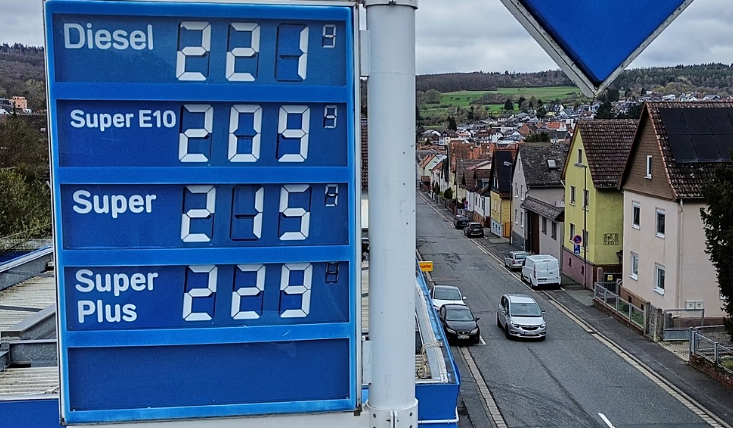
Fuel Prices Surge Across Europe as Middle East Crisis Pushes Oil Above $100

Oil Prices Surge as Strait of Hormuz Closure Shakes Markets

Britain and Norway Step Up Naval Patrols to Protect Undersea Infrastructure from Russia

Meta Launches Muse Spark, Its First Major AI Model in Nine Months

Fresh Attacks Reported Across Gulf Despite US-Iran Ceasefire Announcement

Sweden Accuses Iran of Using Criminal Gangs to Target Dissidents as Teenagers Face Trial

US-Iran Ceasefire Eases Tensions as Europe Reacts; US Politics Spill Into Hungary Vote

ENI and Egypt Announce Major Gas Discovery Amid Rising Energy Costs

Meta Acquires Tilda Swinton VR Doc ‘Impulse: Playing With Reality’

Saudi Arabia’s Model for Sustainable Aviation Practices

Recent Developments in Small Business Taxes

Effective Drain Cleaning: A Key to a Healthy Plumbing System

Who was Ebrahim Raisi and his status in Iranian Politics?

China’s Historic Olympic Victory Sparks National Pride Amid Controversy

Carrectly: Revolutionizing Car Care in Chicago

Keely Hodgkinson Wins Britain’s First Athletics Gold at Paris Olympics in 800m

Saudi Arabia: Foreign Direct Investment Rises by 5.6% in Q1

Chinese Hackers Infiltrate Major U.S. Telecom Firms in Possible National Security Breach

Sony WF-10XM4: Headphones Are Our Absolute Favorite

10 Places You Can’t Miss If It’s Your First Time in European

New Census Data Will Shake Up Alabama Politics

16 Top of Our Favorite Outdoor Clothing Brands

Fashionable Summer Accessories to Dress Up Your Travel Look

How Sleeping Less than 7 Hours a Night Can Lead to Weight Gain
-
 Entertainment2 years ago
Meta Acquires Tilda Swinton VR Doc ‘Impulse: Playing With Reality’
-
 Business2 years ago
Saudi Arabia’s Model for Sustainable Aviation Practices
-
 Business2 years ago
Recent Developments in Small Business Taxes
-
 Home Improvement1 year ago
Effective Drain Cleaning: A Key to a Healthy Plumbing System
-
 Politics2 years ago
Who was Ebrahim Raisi and his status in Iranian Politics?
-
 Sports2 years ago
China’s Historic Olympic Victory Sparks National Pride Amid Controversy
-
 Business2 years ago
Carrectly: Revolutionizing Car Care in Chicago
-
 Sports2 years ago
Keely Hodgkinson Wins Britain’s First Athletics Gold at Paris Olympics in 800m