
Business
Teacher Salaries Across Europe: Germany Leads as Major Pay Gaps Persist

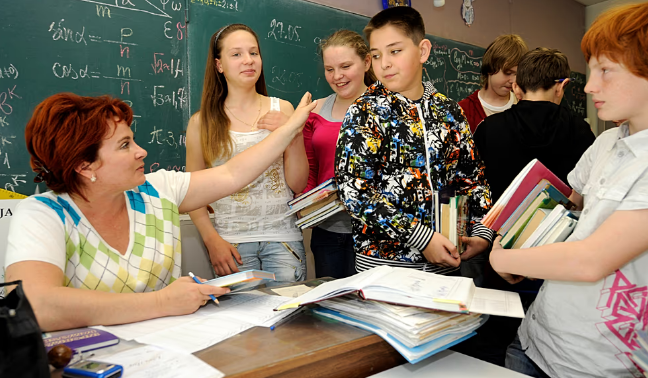
Teacher salaries vary considerably across Europe, with Germany, Denmark and Iceland among the highest-paying countries, while several eastern and southern European nations remain near the bottom of the rankings. Differences persist even after accounting for the cost of living, raising concerns about the profession’s ability to attract and retain qualified staff.
The findings are based on the OECD’s Education at a Glance 2026 report, which compares teachers’ actual annual earnings across 28 European education systems. The figures cover full-time teachers aged 25 to 64 and include basic salaries, bonuses and other work-related payments before tax.
In 2025, average annual salaries for primary school teachers ranged from €18,669 in Turkey to €74,086 in Denmark. Iceland ranked second at €73,752, followed by Ireland at €69,747, Germany at €69,453 and Austria at €65,851.
Among Europe’s major economies, Germany recorded the highest salaries. Teachers in France earned an average of €41,968, while Italy ranked lowest at €32,100. Spain was not included in the available comparison.
Seven countries reported average primary teacher salaries below €25,000: Czechia, Hungary, Slovakia, Romania, Latvia, Greece and Turkey.
Daniel Wisniewski, secretary general of the European Federation of Education Employers, said differences reflected national income levels, salary structures, qualifications and career progression. Taxation, social benefits and allowances also affected comparisons between countries.
Upper secondary teachers generally earned more than primary school teachers. Iceland recorded the highest average salary at this level, reaching €93,938, followed by Denmark at €85,999 and Germany at €80,163. In Iceland, Finland, Belgium, Denmark, Austria and Germany, upper secondary teachers earned at least €10,000 more annually than their primary school counterparts.
However, nominal salaries do not fully reflect purchasing power because the cost of goods and services varies between countries. Euronews Business adjusted salaries using Eurostat purchasing power parities to compare how much teachers could buy with their earnings.
Germany remained at the top of the adjusted ranking, with primary school teachers earning an average of 64,143 purchasing power standards (PPS). Austria followed at 58,265 PPS, Denmark at 53,036 PPS, Ireland at 51,226 PPS and Belgium’s Flemish Community at 50,846 PPS.
Greece ranked last at 21,456 PPS, followed by Latvia, Slovakia, Czechia and Estonia. For upper secondary teachers, Germany again ranked first at 74,034 PPS, while Greece was last at 23,289 PPS.
Some countries moved substantially when salaries were adjusted for living costs. Turkey rose six places in the primary teacher ranking, while Poland gained five. Iceland fell from second place in nominal salaries to 12th after the adjustment.
Professor Mihails Hazans of the University of Latvia said differences were also influenced by social traditions, the strength of teachers’ unions and the workload covered by standard salaries.
The findings come as teacher pay and working conditions feature prominently in labour disputes across Europe, including protests in France. Wisniewski said teachers’ actual salaries across OECD countries averaged just 87% to 95% of the earnings of similarly educated workers.
Jelmer Evers, European director at the European Trade Union Committee for Education, called for teachers to receive pay comparable to other professionals with similar qualifications and responsibilities, arguing that their skills and contribution to society should be properly recognised.
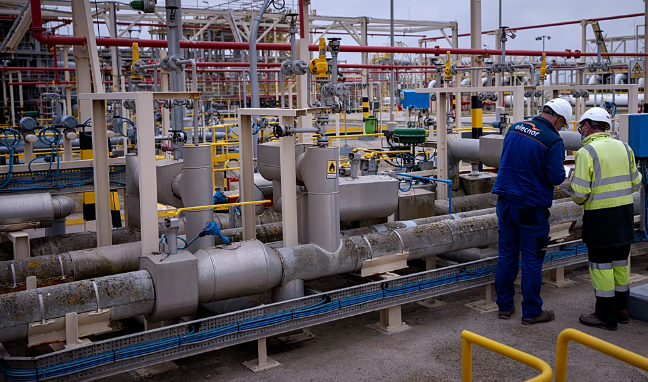
The European Union may need to reduce gas consumption by 7% this winter as storage levels fall to their lowest for this time of year on record and the war involving Iran keeps energy prices elevated, according to a report by the Institute for Energy Economics and Financial Analysis (IEEFA).
The US-based energy research organisation said EU gas storage facilities were about 72.4% full on October 3, the lowest level recorded for this point in the year since 2011. The shortfall could leave the bloc with 7.3 billion cubic metres less gas available from storage between November and March than during the previous winter.
Combined with the EU’s planned complete ban on Russian liquefied natural gas imports from January 2027, the lower reserves could require member states to use about 14 billion cubic metres less gas than last winter.
IEEFA said the situation did not mean European storage facilities would run empty. However, lower reserves can reduce the rate at which gas is released, potentially creating supply difficulties during a prolonged cold spell late in winter. Lower storage levels would also leave Europe needing to purchase larger and potentially more expensive volumes of gas next summer.
The organisation estimated that replacing the storage shortfall with additional imports rather than reducing demand would cost about €3 billion, approximately 12% more than the same volume would have cost last year.
The energy market has faced additional pressure since the war involving Iran began on February 28, disrupting shipping through the Strait of Hormuz, a route responsible for about one-fifth of global liquefied natural gas trade.
Dutch Title Transfer Facility futures, Europe’s main gas price benchmark, reached €84.50 per megawatt-hour in mid-September, their highest level since 2022. Prices climbed above €80 on Thursday before easing to around €78 early on Friday.
European Commission President Ursula von der Leyen said imported fossil fuels had cost the EU an additional €100 billion since the end of February, without providing any additional energy in return.
Energy Commissioner Dan Jørgensen has urged governments to continue limiting consumption amid exceptionally low storage levels. European gas network operators also warned that a severe winter could leave the bloc facing a supply shortfall of up to 15%.
Governments have begun taking measures to secure supplies. The Netherlands approved up to €993 million in June to support reserve building by state-owned company EBN. Germany instructed state-owned importer SEFE to store eight terawatt-hours of gas by December 15, while Spain has increased the volume of liquefied natural gas held at its import terminals by more than 25%.
EU winter gas consumption fell from around 222 billion cubic metres in 2021-22 to 185 billion in 2022-23 following a surge in prices and emergency conservation measures. Consumption subsequently recovered to approximately 200 billion cubic metres in each of the past two winters.
IEEFA said this suggested that further reductions in demand could become increasingly difficult.
The organisation warned against responding primarily by expanding storage infrastructure, arguing that this could prolong dependence on fossil fuels. Instead, it recommended greater investment in renewable energy, heat pumps, industrial electrification and energy-efficiency improvements to reduce winter demand.
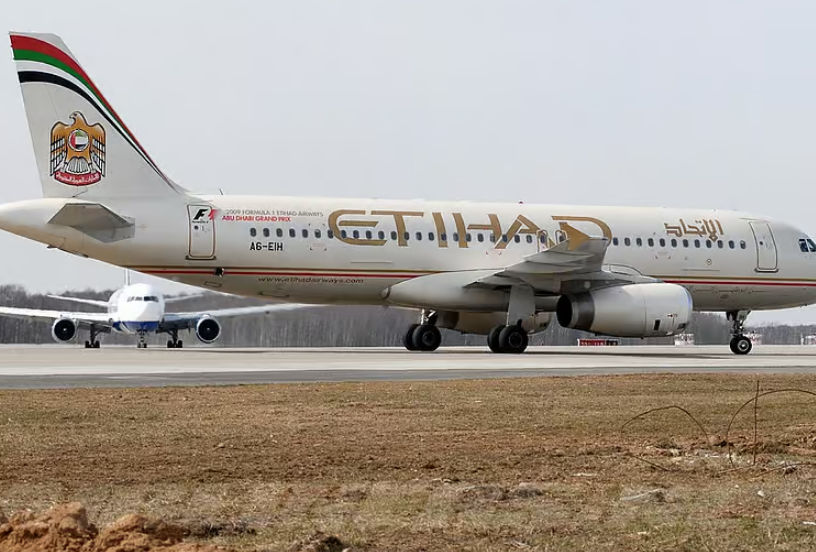
Etihad Airways and flydubai have cancelled flights to Saudi Arabia following attacks on King Khalid International Airport in Riyadh, as airlines across the region adjust their schedules amid continuing operational disruptions.
Etihad cancelled eight flights between Abu Dhabi and Riyadh scheduled for October 9 and 10, citing disruptions at the Saudi capital’s main airport.
Six services were cancelled on Friday, affecting three return trips between Zayed International Airport in Abu Dhabi and Riyadh. Two additional flights, covering one return trip, were cancelled for Saturday.
The Abu Dhabi-based airline said the situation remained dynamic and warned that further schedule changes were possible as it continued monitoring developments.
Flydubai also suspended services to Riyadh and Yanbu through October 10, while flights to Abha were cancelled through October 11.
“We are monitoring the situation closely and remain in close coordination with the relevant authorities,” a flydubai spokesperson said.
The airline said customers would be informed of any further changes through its official communication channels.
The cancellations follow several days of disruption at King Khalid International Airport after attacks on October 8 killed three Saudi nationals and injured several other people, according to the General Authority of Civil Aviation.
The authority said the first attack targeted airport facilities, while the second targeted an aircraft belonging to Saudia, Saudi Arabia’s national carrier. Several citizens and residents of different nationalities were also injured.
Saudia confirmed that one of its employees had died in an incident at the airport. The airline paid tribute to Captain Hamoud Ali Alkalthami following his death.
The incidents have prompted airlines to reassess their operations as authorities respond to the security situation. The latest cancellations affect passengers travelling between the UAE and several Saudi destinations, including the capital.
What affected passengers should do
Etihad has urged customers to check their flight status through its official website, etihad.com, and confirm their booking details before travelling to the airport.
The airline apologised for the disruption and said its teams were working to assist affected passengers with alternative travel arrangements.
Customers can contact Etihad through the help section of its website, which provides local telephone numbers, live chat and social media support.
“The safety and comfort of our guests and crew is our number one priority,” the airline said.
Flydubai has advised affected passengers to visit its website to review available refund and rebooking options. Customers who purchased tickets through travel agents should contact those agents directly to discuss their arrangements.
The airline also apologised for the inconvenience and thanked passengers for their understanding.
Travellers scheduled to fly to Saudi Arabia over the coming days have been advised to check directly with their airline for the latest updates before leaving for the airport, as further changes remain possible.
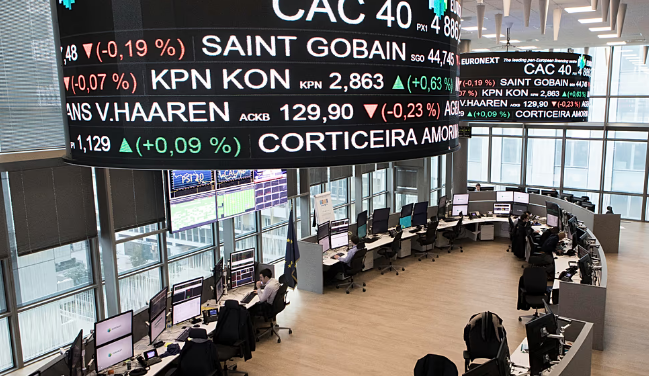
European Union countries agreed on Friday to strengthen the powers of the bloc’s financial markets watchdog, aiming to make cross-border investment easier, improve access to funding for businesses and create more opportunities for savers.
The agreement was reached by finance ministers meeting in Luxembourg as part of the Market Integration and Supervision Package (MISP). The reforms would expand the responsibilities of the European Securities and Markets Authority (ESMA), giving it direct oversight of major financial market operators that currently fall under national supervision.
Although many financial rules have been harmonised across the EU, differences in how countries implement, supervise and enforce them have contributed to fragmentation in the bloc’s financial markets.
The Irish presidency said the package was designed to help savings and investments move more freely across national borders. The changes are intended to make it easier for companies to raise money while giving households greater opportunities to earn returns on their savings.
Under the proposed framework, ESMA would directly supervise major trading venues, clearing houses and organisations responsible for securities settlement. Certain providers of crypto-asset services would also come under its direct oversight.
The package would establish a full-time, independent executive board within ESMA, strengthening the authority’s ability to oversee financial markets across the EU.
Market operators would also be able to opt into a new framework allowing them to operate across the bloc. The reforms seek to improve consistency in national supervision and update rules covering trading, the completion of financial transactions, investment management and the use of blockchain technology.
However, questions remain over the extent of ESMA’s authority over some German financial market operations. Deutsche Börse, which operates the Frankfurt stock exchange, could retain some trading venues outside the watchdog’s direct supervision.
Euronews previously reported that Germany had secured an exemption for domestically focused trading venues operated by Deutsche Börse, leaving an important part of the system under regional German supervision. The announcement on Friday did not provide further details about the arrangement.
Dutch Finance Minister Eelco Heinen welcomed the agreement, describing it as a significant step towards deeper financial integration across Europe.
“Major step forward today in advancing the Capital Markets Union. We made more progress in 10 months than in 10 years,” Heinen said.
The agreement marks an important milestone in the EU’s Savings and Investments Union (SIU), an initiative intended to channel more European household savings into investments that support economic growth.
Supporters of a more integrated capital market argue that reducing barriers between member states could lower financing costs, improve access to capital for businesses and broaden the range of investment opportunities available to households.
The reforms are also intended to reduce differences in market supervision, making it easier for financial firms to operate across borders and helping the EU develop a more competitive investment environment.

EU May Need to Cut Gas Consumption by 7% This Winter as Reserves Hit Record Low

Russian Escalation Raises Questions Over EU’s €90 Billion Ukraine Support Plan

Teacher Salaries Across Europe: Germany Leads as Major Pay Gaps Persist

Etihad Airways and flydubai Cancel Saudi Flights After Riyadh Airport Attacks

EU Agrees to Expand Financial Markets Watchdog Powers to Boost Cross-Border Investment

Paris Motor Show Opens Amid Rising Chinese Competition and Pressure on European Carmakers

Plague Fears Return After Russian Death, but Europe Faces Very Low Risk

Samsung Profit Soars as AI Chip Demand Drives Record Results

Denmark Moves to Ban Sharing of Realistic Deepfakes Without Consent

Moonshot AI Targets 2027 Hong Kong IPO as DeepSeek Funding Race Intensifies

Meta Acquires Tilda Swinton VR Doc ‘Impulse: Playing With Reality’

China’s Historic Olympic Victory Sparks National Pride Amid Controversy

Saudi Arabia’s Model for Sustainable Aviation Practices

Recent Developments in Small Business Taxes

Effective Drain Cleaning: A Key to a Healthy Plumbing System

Who was Ebrahim Raisi and his status in Iranian Politics?

Keely Hodgkinson Wins Britain’s First Athletics Gold at Paris Olympics in 800m

Carrectly: Revolutionizing Car Care in Chicago

Nobel Laureate Muhammad Yunus Proposed as Head of Bangladesh’s Interim Government Following Hasina’s Resignation

Chinese Hackers Infiltrate Major U.S. Telecom Firms in Possible National Security Breach

Sony WF-10XM4: Headphones Are Our Absolute Favorite

10 Places You Can’t Miss If It’s Your First Time in European

New Census Data Will Shake Up Alabama Politics

16 Top of Our Favorite Outdoor Clothing Brands

Fashionable Summer Accessories to Dress Up Your Travel Look

How Sleeping Less than 7 Hours a Night Can Lead to Weight Gain
-
 Entertainment2 years ago
Meta Acquires Tilda Swinton VR Doc ‘Impulse: Playing With Reality’
-
 Sports2 years ago
China’s Historic Olympic Victory Sparks National Pride Amid Controversy
-
 Business2 years ago
Saudi Arabia’s Model for Sustainable Aviation Practices
-
 Business2 years ago
Recent Developments in Small Business Taxes
-
 Home Improvement2 years ago
Effective Drain Cleaning: A Key to a Healthy Plumbing System
-
 Politics2 years ago
Who was Ebrahim Raisi and his status in Iranian Politics?
-
 Sports2 years ago
Keely Hodgkinson Wins Britain’s First Athletics Gold at Paris Olympics in 800m
-
 Business2 years ago
Carrectly: Revolutionizing Car Care in Chicago
You must be logged in to post a comment Login