
Tech
AMD Unveils Personal Supercomputer Designed to Bring AI Power to Desktops

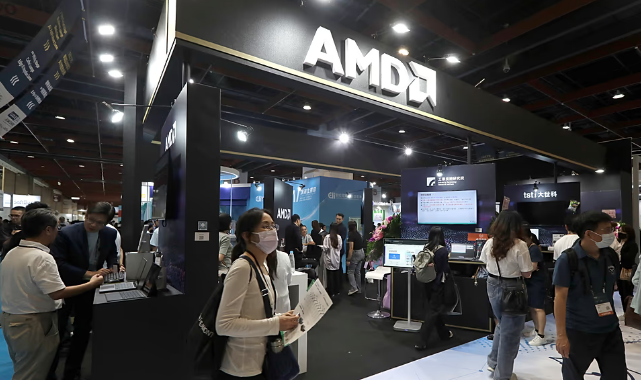
AMD has unveiled a powerful new workstation in Berlin that it describes as a personal supercomputer, designed to bring data-centre level artificial intelligence capabilities to desktop users.
The American chipmaker introduced the Threadripper Halo Station at the Internationale Funkausstellung technology event on Friday. AMD Senior Vice President Jack Huynh presented the system as part of a new generation of computing hardware built around the growing demand for AI.
The workstation is designed for demanding AI workloads and can be configured with up to two terabytes of system memory and 576 gigabytes of high-bandwidth HBM3E memory. It also features 96 Threadripper Pro CPU cores and two MI350P data-centre accelerators, with liquid cooling used to manage the system’s high performance requirements.
Huynh described the machine as the world’s most powerful workstation and said it would be capable of running artificial intelligence models containing more than one trillion parameters.
During a demonstration in Berlin, Huynh showed the system generating an entire 3D environment and flight simulator from a single prompt. The presentation was intended to demonstrate how advanced AI tasks could be performed locally without depending entirely on remote cloud infrastructure.
AMD plans to release the Threadripper Halo Station early next year, although the company has not announced a final price. Analysts expect the system could cost more than €100,000, placing it firmly in the corporate, research and institutional market rather than the consumer PC sector.
The workstation is aimed at organisations that want to operate large language models and AI agent systems on their own hardware. Running these workloads locally could reduce dependence on cloud services, particularly for businesses and institutions facing rising AI subscription and computing costs.
AMD’s closest rival in this market is Nvidia’s DGX Station, which also brings powerful AI computing capabilities into a desktop-sized system. The two machines take different approaches to local AI performance.
AMD’s system has a major advantage in memory capacity and bandwidth. Its larger memory pool is designed to allow trillion-parameter models to run locally, while Nvidia’s machine offers tighter integration between local systems and cloud-based computing environments.
Nvidia’s DGX Station is already available and sells for around €100,000, giving it an early advantage in the emerging market.
AMD’s entry could intensify competition as companies seek alternatives to cloud-based AI computing. The growing ability to run increasingly large models on local hardware could also change how businesses manage AI development and deployment.
By using standardised components while targeting data-centre class performance, AMD is betting that powerful local AI systems will become an increasingly important part of the next generation of computing.









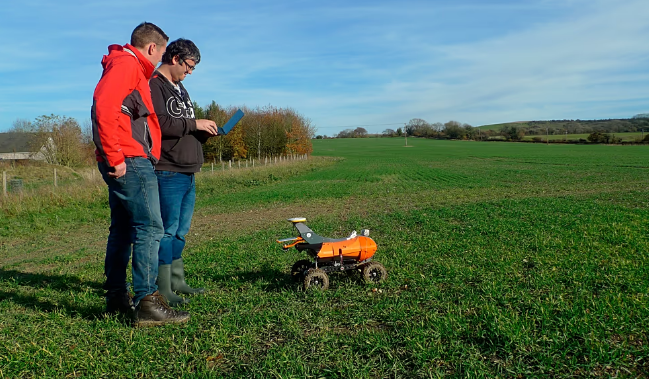
Artificial intelligence is becoming an increasingly important tool in agriculture, helping farmers monitor crops, forecast yields, automate machinery and manage water and livestock more efficiently.
The technology has developed rapidly in recent years. At an agricultural expo in Izmir, Turkey, three years ago, artificial intelligence applications were largely limited to inventory calculations and specialist products displayed by smaller technology companies. Today, AI-based systems are moving closer to the centre of modern farming.
One of the fastest-growing applications is crop monitoring. Farmers traditionally rely on experience and regular field inspections to identify pests, diseases and other threats. Drones and satellites can now collect detailed images that are analysed by computer-vision systems.
These systems can identify signs of fungal infections and pest activity before they become obvious to farmers. Combined with soil sensors, the technology can provide additional information about field conditions and help determine where crop protection treatments may be required.
Yield forecasting is another area where AI is gaining ground. Sensor data and advanced models can help farmers estimate how much produce they are likely to harvest rather than simply measuring output after crops have been collected.
Syngenta has developed a generative AI system that it says can forecast yields with 95 percent accuracy while also providing recommendations on seed placement. Better forecasts can help farmers organise transportation, storage and sales in advance, potentially reducing losses and improving supply planning.
Robots take on more farm work
Agricultural machinery is also becoming more automated. Companies including John Deere are developing autonomous tractors, while Carbon Robotics has developed the LaserWeeder, which uses cameras, lasers and computing technology to identify and remove weeds.
The system uses 36 cameras, 24 lasers and 24 NVIDIA GPUs and can reportedly eliminate up to 10,000 weeds per minute across more than 100 crop types.
AI is also changing irrigation. Modern sensor systems can combine soil moisture readings, crop temperature and weather forecasts to determine how much water different parts of a field require.
Some deployments have reported water savings of around 30 percent while maintaining or increasing yields. Variable-rate spraying systems use similar principles to apply pesticides only where they are needed, reducing chemical use and creating records that can support regulatory requirements.
Livestock farming is another emerging area. Computer vision systems and wearable sensors can monitor animals for changes in movement, behaviour and vital signs.
These systems can identify potential health problems before visible symptoms develop, allowing farmers to respond earlier. Earlier detection can improve animal welfare while reducing unnecessary antibiotic use.As these technologies become more accessible, AI is increasingly moving from specialised agricultural applications into everyday farm operations, giving producers new ways to manage resources, reduce waste and improve productivity.

Nearly six terabytes of data allegedly stolen from Berlin’s state administration have been published on the dark web, exposing a large amount of sensitive information and raising concerns over the security of government systems.
The hacker group Rhysida is reported to have released about 1.44 million files containing information taken during a cyberattack on Berlin’s administration. The leaked material reportedly includes personal details belonging to state employees, such as birth certificates, telephone numbers, home addresses and documents that appear to contain employee absence records.
The scale of the disclosure has prompted warnings that the incident could have serious consequences for public officials and government security.
Among the files is a folder labelled “AG CBRN-Rahmenplanung.” CBRN refers to chemical, biological, radiological and nuclear threats. The presence of documents connected to this area has raised particular concern because the material could potentially contain information about how authorities prepare for major security incidents.
Investigative journalist Lars Winkelsdorf warned on social media that the cyberattack was of a scale that could threaten the functioning of the state. The potential exposure of sensitive government information has also raised concerns about whether the material could be exploited by criminal groups, terrorists or foreign intelligence agencies.
Rhysida had previously threatened to release the stolen information unless Berlin’s administration paid a ransom of 30 Bitcoin, which was estimated at around €2 million. The hackers established a countdown as part of their demand, with the deadline expiring at about 3:35 p.m. on Friday.
Berlin’s Senate had stated before the deadline that it would not give in to the ransom demand, maintaining its position that the administration does not negotiate with criminals making such threats.
The hackers followed through shortly after the countdown ended, publishing the data package on the dark web. Members of the group have also begun distributing lists of filenames through social media, potentially making it easier for others to identify and access specific documents.
The release has intensified questions over the extent of the breach and whether additional confidential information could have been compromised. The reported presence of personal records also creates the possibility of identity theft, fraud and targeted attacks against affected employees.
Berlin authorities and political leaders have so far faced criticism over what observers describe as a limited public response to the incident.
Officials are expected to assess the leaked material, determine how much information was compromised and examine whether the stolen files contain further security-sensitive documents. The incident is likely to renew scrutiny of cybersecurity protections across government institutions as authorities work to understand the full impact of the breach.
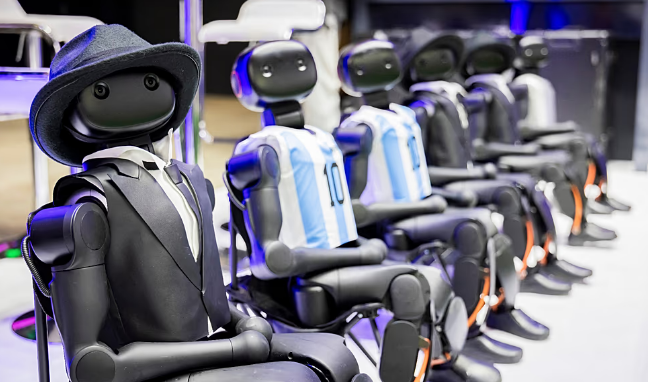
Artificial intelligence is taking a larger role in household technology, with appliances, furniture, entertainment systems and even pet products becoming more connected and capable of responding to users’ needs.
At IFA 2026 in Berlin, more than 1,900 brands from 49 countries are presenting new products under the theme “The Future is Now.” The event, one of the world’s largest consumer electronics and home appliance fairs, highlights a shift from the traditional smart home toward what manufacturers describe as the intelligent home.
The concept goes beyond devices responding to commands. Companies are developing products that can recognise situations, learn preferences and assist with everyday decisions.
Haier, for example, is showcasing a washing machine equipped with a camera and AI technology that can identify clothes inside the drum. The system can warn users if an item such as a red sock has been placed among white clothing.
Haier Europe CEO Neil Tunstall said similar technology is being developed for cooking appliances, which can identify food and adjust settings to make preparing meals easier.
US company Cozyla is also demonstrating how AI could help organise household routines. Its IFA display presents a connected home where digital calendars coordinate family schedules, while recipes can be scanned to assist with meal planning and other household activities.
Technology is also moving into bedrooms. Hong Kong-based BestQi is displaying its AMADA Smart Adaptive Sleeping System, combining an adjustable bed with a mattress that uses sound and vibrations. Each side of the bed can be controlled independently, allowing users to select different positions and settings.
South Korean company Bodyfriend is showcasing advanced relaxation products, including its Quantum Beauty Capsule, which combines a massage chair with LED features for the face and scalp. Its Davinci AI model uses a fingertip sensor to collect biometric measurements such as heart rate and blood oxygen levels.
Home entertainment is another major focus. TCL is presenting connected gaming and display systems while also promoting technology designed to reduce screen distractions. Its NextPaper technology can turn a smartphone into a simplified reading device with fewer notifications and reduced blue light exposure.
The connected home is not limited to people. Singapore-based Petgugu is exhibiting smart pet products, including a self-cleaning cat toilet and a robot designed to collect pet hair and interact with animals while their owners are away.
Robotics is also represented by the MagicDog Y1, a four-legged robot designed for tasks such as following people, carrying equipment, monitoring areas and security work.
The products on display suggest that the future home may depend less on individual smart devices and more on systems that communicate with one another.
IFA 2026 runs until September 8, giving visitors an opportunity to explore developments in home appliances, entertainment, robotics and personal technology. Whether these innovations become everyday household products will ultimately depend on how consumers choose to adopt them.

China Export Growth Accelerates to 25% in August on Strong Tech Demand

Italy Leads Europe in Pay Transparency as Salary Disclosure Surges

AMD Unveils Personal Supercomputer Designed to Bring AI Power to Desktops

Turkey Raises 2026 Inflation Forecast to 28.4% as Middle East War Hits Outlook

Artificial Intelligence Brings New Tools to Modern Farming

EDF Energy in Talks to Buy So Energy Customer Base in UK Market Shake-Up

Anak Krakatoa Eruption Disrupts Flights at Indonesia’s Main Airport

Gyirong Port Reduced to Ruins as China-Nepal Flood Disaster Leaves Hundreds Missing

Europe Faces Prolonged High Fuel Prices as Diesel Supplies Tighten

Medieval Manuscripts Reveal Thousands-Year History of Deadly Sheep Virus

Meta Acquires Tilda Swinton VR Doc ‘Impulse: Playing With Reality’

China’s Historic Olympic Victory Sparks National Pride Amid Controversy

Saudi Arabia’s Model for Sustainable Aviation Practices

Recent Developments in Small Business Taxes

Effective Drain Cleaning: A Key to a Healthy Plumbing System

Who was Ebrahim Raisi and his status in Iranian Politics?

Keely Hodgkinson Wins Britain’s First Athletics Gold at Paris Olympics in 800m

Carrectly: Revolutionizing Car Care in Chicago

Nobel Laureate Muhammad Yunus Proposed as Head of Bangladesh’s Interim Government Following Hasina’s Resignation

Chinese Hackers Infiltrate Major U.S. Telecom Firms in Possible National Security Breach

Sony WF-10XM4: Headphones Are Our Absolute Favorite

10 Places You Can’t Miss If It’s Your First Time in European

New Census Data Will Shake Up Alabama Politics

16 Top of Our Favorite Outdoor Clothing Brands

Fashionable Summer Accessories to Dress Up Your Travel Look

How Sleeping Less than 7 Hours a Night Can Lead to Weight Gain
-
 Entertainment2 years ago
Meta Acquires Tilda Swinton VR Doc ‘Impulse: Playing With Reality’
-
 Sports2 years ago
China’s Historic Olympic Victory Sparks National Pride Amid Controversy
-
 Business2 years ago
Saudi Arabia’s Model for Sustainable Aviation Practices
-
 Business2 years ago
Recent Developments in Small Business Taxes
-
 Home Improvement2 years ago
Effective Drain Cleaning: A Key to a Healthy Plumbing System
-
 Politics2 years ago
Who was Ebrahim Raisi and his status in Iranian Politics?
-
 Sports2 years ago
Keely Hodgkinson Wins Britain’s First Athletics Gold at Paris Olympics in 800m
-
 Business2 years ago
Carrectly: Revolutionizing Car Care in Chicago
You must be logged in to post a comment Login