
News
UN General Assembly Backs Two-State Solution Despite Israeli Opposition

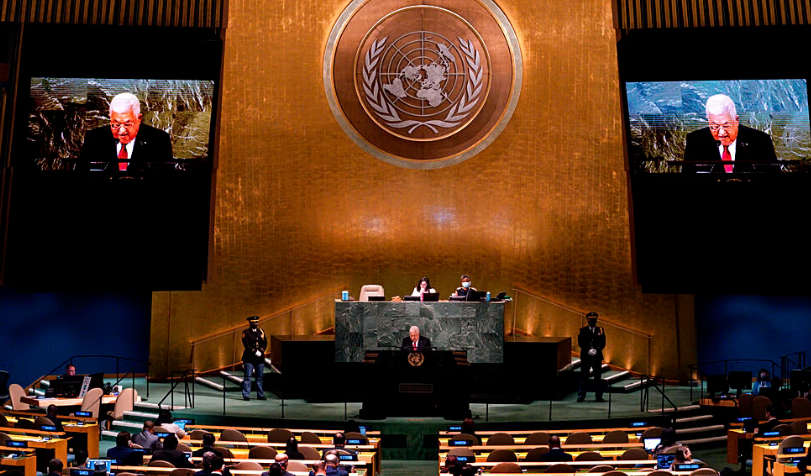
The United Nations General Assembly voted overwhelmingly on Friday in favor of a resolution supporting the creation of an independent Palestinian state and reaffirming commitment to a two-state solution. The move came just hours after Israeli Prime Minister Benjamin Netanyahu publicly rejected the idea of Palestinian statehood.
Out of the UN’s 193 members, 142 countries supported the resolution, while 10 voted against and 12 abstained. The measure, jointly presented by France and Saudi Arabia, is nonbinding but carries significant political weight, underscoring global frustration with the ongoing conflict.
The resolution condemns the October 7, 2023, Hamas-led attack on southern Israel, in which militants killed about 1,200 people, most of them civilians, and abducted 250 hostages. Roughly 50 hostages remain in captivity, with around 20 believed to be alive. At the same time, the declaration sharply criticizes Israel’s military response in Gaza, including what it describes as “siege and starvation,” which it says has led to a humanitarian catastrophe.
Since Israel launched its offensive following the October attack, the Gaza Health Ministry reports more than 64,000 Palestinians—mostly women and children—have been killed. The UN, while unable to distinguish between fighters and civilians in those figures, continues to cite the toll. Much of Gaza has been reduced to rubble, with more than 2 million people displaced. UN agencies warn that famine has already taken hold in parts of Gaza and is expected to spread further by month’s end.
The resolution envisions the Palestinian Authority (PA) assuming control of all Palestinian territories after a ceasefire, with a transitional committee established to oversee governance. It also calls for Hamas to relinquish its rule in Gaza, disarm, and release all hostages. Additionally, the text proposes a UN-backed mission to safeguard Palestinian civilians, guarantee security for both Palestinians and Israelis, and monitor a peace agreement.
Crucially, the declaration urges countries to formally recognize a Palestinian state, describing this step as an “essential and indispensable component” of achieving peace. To date, more than 145 countries have recognized Palestine, with Belgium announcing this month it would join France and the United Kingdom in doing so. Palestinian representatives say they are hopeful at least 10 more nations will follow suit soon.
Palestinian UN Ambassador Riyad Mansour welcomed the broad support, calling it a reflection of the international community’s desire for peace. “We invite a party that is still pushing the option of war and destruction to listen to the sound of reason,” he said, in a veiled reference to Israel.
Israel’s government dismissed the resolution. Ambassador Danny Danon described it as “one-sided” and harmful to peace efforts, while Prime Minister Netanyahu, during a visit to a West Bank settlement, reiterated his opposition: “This place belongs to us.” The United States, Israel’s closest ally, also voted against, with its representative calling the resolution a “misguided publicity stunt” that undermines diplomacy.
While the resolution is nonbinding, its passage highlights widening international isolation for Israel as global calls intensify for a negotiated two-state solution.




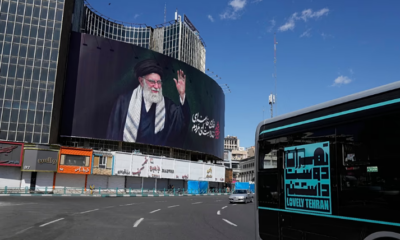



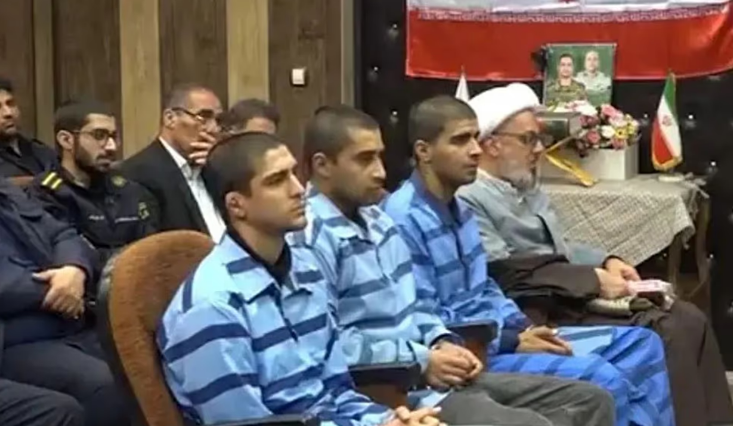
Rights groups said the trio, who included a teenager who had taken part in international wrestling competitions, were executed without a fair trial and had given confessions under torture.
Iran executed three men on Thursday who were accused of killing police officers during nationwide protests in January, raising fears among activists of a potential surge in hangings as the country faces war with Israel and the United States. The executions mark the first publicized hangings related to the nationwide demonstrations, which were met with a severe crackdown by Iranian authorities.
The men, Mehdi Ghasemi, Saleh Mohammadi, and Saeed Davoudi, were hanged in the city of Qom, south of Tehran, after being convicted of waging war against God, a capital offense under Iran’s sharia known as moharebeh, according to the judiciary’s Mizan news agency. Authorities said the trio were involved in the killing of two police officers and carried out “operational actions” in favor of Israel and the United States.
Rights groups raised immediate concerns over the fairness of the trials. Saleh Mohammadi, a teenage wrestling champion who had competed internationally, was reportedly denied proper legal defense and forced to give confessions during fast-tracked proceedings, according to Amnesty International. Norway-based NGO Iran Human Rights said the three men were “sentenced to death following an unfair trial, based on confessions obtained under torture,” noting that Mohammadi had just turned 19.
Legal affairs monitor Dadban added that the men were “deprived of effective access to independent counsel and the right to defense,” arguing that under such circumstances, the death penalty amounts to “extrajudicial killing.”
The hangings come a day after the execution of Kouroush Keyvani, a dual Iranian-Swedish national accused of spying for Israel, which drew condemnation from Stockholm and the European Union. That execution was the first publicly announced since U.S. and Israeli strikes on Iran on 28 February killed Supreme Leader Ayatollah Ali Khamenei, escalating a conflict that has spread across the Middle East.
Activists warned that Iran could use such executions to intimidate citizens. “We are deeply concerned about the risk of mass executions of protesters and political prisoners in the shadow of war,” said Iran Human Rights. “These executions are carried out to spread fear in society, as the Islamic Republic knows that the main threat to its survival comes from the Iranian people demanding fundamental change.”
The January protests initially erupted over rising living costs and quickly evolved into nationwide anti-government demonstrations, peaking on 8–9 January. Rights groups estimate that thousands of protesters were killed in the crackdown, with the Human Rights Activists News Agency recording over 7,000 deaths, while Tehran acknowledges more than 3,000 fatalities, including security personnel and civilians.
Hundreds of individuals are still facing charges connected to the protests that could carry the death penalty. Iran remains one of the world’s most prolific executioners, with at least 1,500 people hanged last year alone, according to Iran Human Rights.
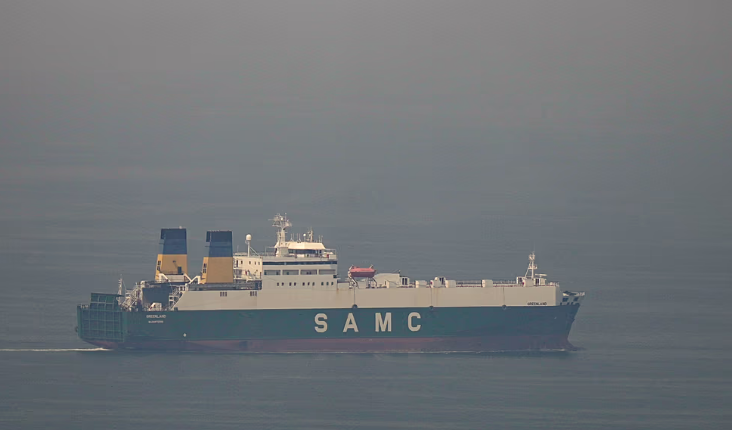
Foreign ministers from the European Union are scheduled to meet in Brussels on Monday to discuss whether the bloc’s naval mission should be extended to the Strait of Hormuz amid rising tensions in the Middle East and soaring global oil prices.
The discussions come as the conflict involving the United States and Israel against Iran continues to disrupt global energy markets. The narrow maritime passage handles roughly 20 percent of the world’s oil shipments, making it one of the most critical trade routes for energy supplies.
According to a person familiar with the matter, EU ministers will consider expanding the bloc’s naval mission Operation Aspides to include patrols in the Strait of Hormuz.
Operation Aspides was launched in early 2024 to protect international shipping in the Red Sea after attacks by Yemen’s Houthi forces on commercial vessels traveling through the region.
Pressure from Washington has been increasing in recent days. Donald Trump urged several major powers, including the United Kingdom, France, China and Japan, to deploy naval vessels to the area to safeguard oil shipments passing through the Strait of Hormuz.
Tehran announced last week that it would block the waterway in response to US-Israeli strikes on its territory. Since then, several vessels have reportedly come under attack in the region, increasing fears about disruptions to global energy supplies.
Despite the pressure from Washington, some European officials remain cautious about expanding the mission. Johann Wadephul confirmed that the issue would be discussed at the meeting in Brussels but expressed skepticism about the need for such an operation.
In an interview with German public broadcaster ARD, Wadephul said he did not see an immediate requirement for extending the naval mission and ruled out Germany’s participation for now. He also called on the United States and Israel to provide clearer information about their objectives and strategy in the war against Iran.
His remarks reflect broader concerns among European officials who say Washington has not fully explained the timeline or long-term goals of the military campaign.
Meanwhile, global oil markets remain under pressure as the conflict continues. Chris Wright said on Sunday that the war with Iran could end within a few weeks. He added that energy prices would likely fall once stability returns to the region and shipping lanes reopen.
Despite those reassurances, crude oil prices have climbed above $100 per barrel, raising concerns among governments and economists about the potential impact on inflation and economic growth worldwide.
The meeting in Brussels is expected to focus on whether European countries should play a larger role in protecting maritime traffic in the Gulf as tensions continue to escalate.
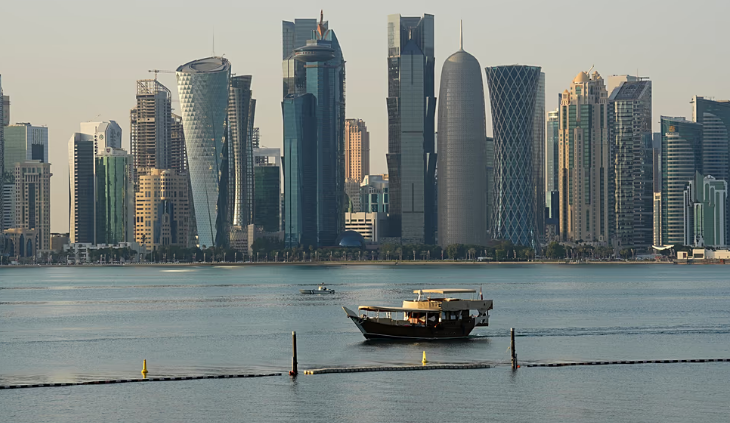
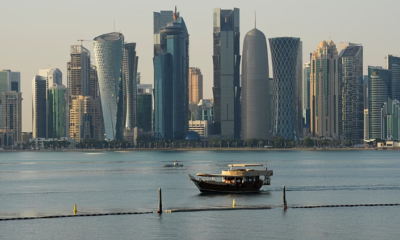
Qatar intercepted missiles targeting the country early Saturday, prompting precautionary evacuations in parts of the capital as authorities activated emergency preparedness measures and reassured residents about the stability of supply chains.
The Qatari defence ministry said the country’s armed forces intercepted incoming missiles in two waves during the early hours of the morning. Journalists and residents in Doha reported hearing air raid alerts followed by the sound of interceptor missiles destroying incoming projectiles at around 2:00 a.m. and again at approximately 5:45 a.m., with loud explosions shaking parts of the city.
Authorities said the situation was handled by defence systems, while the government began precautionary safety steps in several areas.
The interior ministry announced temporary evacuations affecting residents who received notifications through the National Alert System. Officials said alternative accommodation had been arranged for those impacted, though some residents opted to move to other safe locations until the threat subsided.
Witnesses reported evacuations in parts of Msheireb Downtown Doha, a central district that includes government offices and international companies. Some residents and journalists also said areas within Education City were cleared as a precaution. The district hosts branch campuses of several American universities and international institutions.
Officials have not publicly listed the exact neighbourhoods included in the evacuation notices, urging the public to rely on official announcements and follow instructions from authorities.
Shortly before the evacuation alerts were issued, the Islamic Revolutionary Guard Corps published a warning on social media advising employees working at major US technology companies in Gulf countries to leave office areas along with residents living nearby. The message referenced technology hubs in cities including Doha, Dubai and Riyadh.
Qatari officials moved quickly to reassure the public that emergency planning and supply chains remain secure. Interior Minister Sheikh Khalifa bin Hamad bin Khalifa Al-Thani said the country maintains strategic reserves of essential medicines sufficient for about nine months, along with medical supplies capable of supporting healthcare services for up to a year if needed.
Authorities also emphasised the continued flow of goods into the country. National carrier Qatar Airways said it has transported nearly 300 tonnes of essential cargo into Qatar since the beginning of March. The shipments include medicines, baby formula, fresh food and medical equipment.
The airline said cargo flights are continuing through temporary air corridors authorised by the Qatar Civil Aviation Authority to maintain supply routes despite regional airspace disruptions.
Government officials said the country’s emergency plans are designed to ensure public safety while maintaining essential services during periods of regional tension. Authorities urged residents to remain calm and stay informed through official communication channels as security forces continue monitoring the situation.

Airbrush Tanning Solution Sun Labs for Smooth, Even Bronze Color

Iran Executes Three Men Over January Protests Amid Rising War Tensions

ECB Holds Interest Rates as Energy Prices Surge Amid Middle East Tensions

Ships Continue Passing Through Strait of Hormuz Despite Ongoing Conflict

SAS to Cancel Over 1,000 Flights as Fuel Costs Surge Amid Middle East Conflict

Cyberattacks Intensify as Iran Conflict Spills Into Digital Domain

Iran Raises Minimum Wage by 60% Amid Inflation and Conflict Pressures

Spain Leads EU Growth While Germany Trails, Data Shows

EU Must Simplify Rules to Boost Healthcare Innovation, Commissioner Says

Experts to Debate AI’s Role in Europe’s Healthcare Future at Brussels Summit

Meta Acquires Tilda Swinton VR Doc ‘Impulse: Playing With Reality’

Saudi Arabia’s Model for Sustainable Aviation Practices

Recent Developments in Small Business Taxes

Effective Drain Cleaning: A Key to a Healthy Plumbing System

Who was Ebrahim Raisi and his status in Iranian Politics?

Carrectly: Revolutionizing Car Care in Chicago

Keely Hodgkinson Wins Britain’s First Athletics Gold at Paris Olympics in 800m

Saudi Arabia: Foreign Direct Investment Rises by 5.6% in Q1

Chinese Hackers Infiltrate Major U.S. Telecom Firms in Possible National Security Breach

Nobel Laureate Muhammad Yunus Proposed as Head of Bangladesh’s Interim Government Following Hasina’s Resignation

Sony WF-10XM4: Headphones Are Our Absolute Favorite

10 Places You Can’t Miss If It’s Your First Time in European

New Census Data Will Shake Up Alabama Politics

16 Top of Our Favorite Outdoor Clothing Brands

Fashionable Summer Accessories to Dress Up Your Travel Look

How Sleeping Less than 7 Hours a Night Can Lead to Weight Gain
-
 Entertainment2 years ago
Meta Acquires Tilda Swinton VR Doc ‘Impulse: Playing With Reality’
-
 Business2 years ago
Saudi Arabia’s Model for Sustainable Aviation Practices
-
 Business2 years ago
Recent Developments in Small Business Taxes
-
 Home Improvement1 year ago
Effective Drain Cleaning: A Key to a Healthy Plumbing System
-
 Politics2 years ago
Who was Ebrahim Raisi and his status in Iranian Politics?
-
 Business2 years ago
Carrectly: Revolutionizing Car Care in Chicago
-
 Sports2 years ago
Keely Hodgkinson Wins Britain’s First Athletics Gold at Paris Olympics in 800m
-
 Business2 years ago
Saudi Arabia: Foreign Direct Investment Rises by 5.6% in Q1