
News
Trump Threatens Trade Retaliation After EU Slaps Google With €2.95 Billion Fine

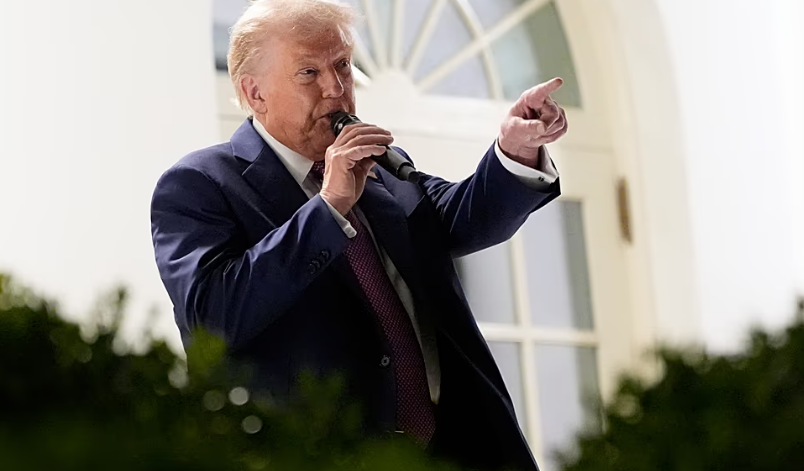
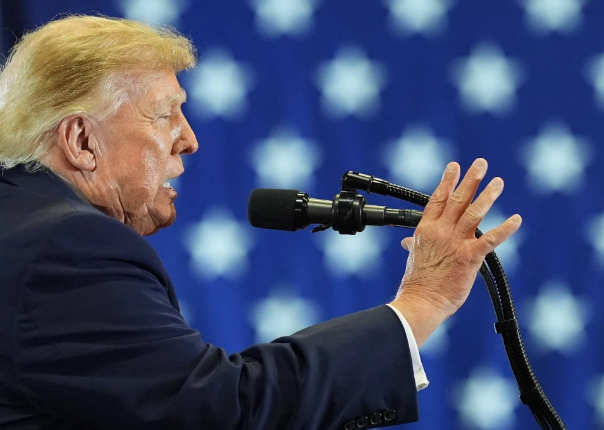
US President Donald Trump has threatened to hit back against the European Union after the European Commission fined Google €2.95 billion for abusing its dominant position in the advertising technology market.
In a post on Truth Social, Trump denounced the fine as “very unfair” and “discriminatory,” vowing that his administration “will not allow these actions to stand.” He added that he would consider launching a Section 301 investigation under the Trade Act of 1974, a move that could pave the way for retaliatory tariffs or penalties against the EU. “I will be speaking to the European Union,” Trump told reporters at the White House on Friday.
The European Commission said its probe found Google had “abused its power” by favouring its own advertising technology services, harming competitors, advertisers, and publishers. The case centred on Google’s AdX exchange and DFP platform, which match advertisers with website publishers seeking to sell digital ad space.
This is the fourth time since 2017 that Brussels has levied a multibillion-euro antitrust fine against Google, underscoring a long-running clash with the tech giant. Google has said it will appeal, calling the ruling “wrong.”
EU officials hinted that fines may not be enough to rein in Google’s dominance. Competition Commissioner Teresa Ribera said the bloc may consider structural remedies, such as forcing Google to sell parts of its advertising technology business. “At this stage, it appears that the only way for Google to end its conflict of interest effectively is with a structural remedy,” she said.
The European Publishers Council, whose complaint triggered the investigation, welcomed the decision but argued the Commission should go further. “A fine will not fix Google’s abuse of its adtech,” said executive director Angela Mills Wade, urging regulators to order a breakup.
Some experts echoed that view. Cori Crider, senior fellow at the Future of Technology Institute, said Europe had “made an important stand for the rule of law” but warned that anything short of a breakup would allow Google to continue reshaping its practices without addressing the core issue. “Only a break-up will fix Google’s monopoly,” she said.
The fine adds to growing transatlantic friction over trade, tariffs, and technology regulation. While €2.95 billion is a significant penalty, analysts noted it is relatively small for Google, which reported €24 billion in revenue in the second quarter alone.
The ruling also comes just days after a US federal judge found Google guilty of maintaining an illegal monopoly in online search. That case resulted in an order for changes to its search business but stopped short of forcing a sale of its Chrome browser.
With Google fighting battles on both sides of the Atlantic, the EU’s latest move is likely to fuel tensions between Brussels and Washington — and test Trump’s willingness to wield trade measures in defence of American tech giants.
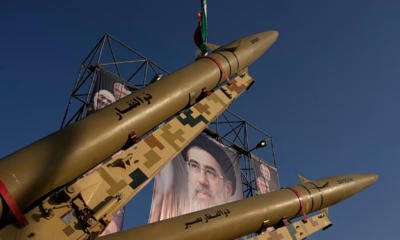






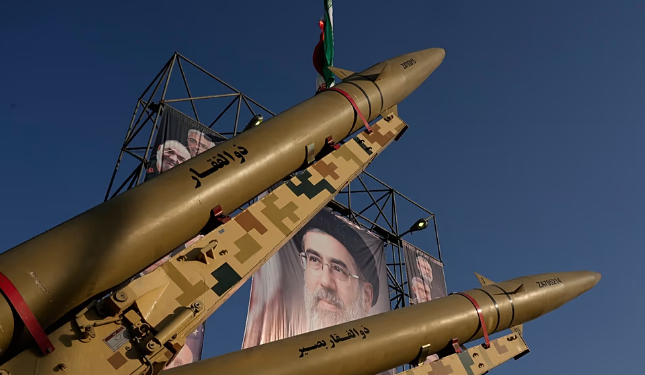
Iran’s military said it retained full control of the Strait of Hormuz on Monday, while Foreign Minister Abbas Araghchi said the strategic waterway could be fully reopened within seven days if Tehran’s conditions were met and hostile measures against the country were lifted.
The statements came as Iran faced growing economic pressure, with the rial falling to record lows, Oil Minister Mohsen Paknejad resigning and the United States claiming that Tehran had not loaded any crude onto tankers during September.
Brigadier General Aziz Jafari, commander of Iran’s Khatam al-Anbiya Joint Air Defence Headquarters, said all movements through the Strait remained under the control of the Iranian armed forces despite changes in US tactics.
“All movements (in Hormuz) are under the control of the armed forces of the Islamic Republic,” Jafari said.
US Treasury Secretary Scott Bessent said on Thursday that Iran had not loaded crude oil onto tankers during September, arguing that the Trump administration was targeting Tehran’s main source of revenue.
Iranian President Masoud Pezeshkian acknowledged in August that restrictions were disrupting oil exports, saying the country had previously been able to sell oil but was now unable to do so at the same level.
Paknejad’s resignation was officially attributed to family and personal matters. However, his departure came amid speculation about the impact of reduced oil exports on government finances. Before his resignation was announced, Paknejad said in a video carried by Iranian media that revenue from oil already sold would be collected and that the process would continue.
The acting oil minister has pledged to maximise production and maintain exports through new strategies.
Despite pressure on Iranian exports, oil shipments from other parts of the region remained high. Ship-tracking company Kpler estimated crude exports from the region excluding Iran at between 19.5 million and 22.5 million barrels per day during the final week of September, compared with a pre-war regional average of about 18 million barrels per day.
Iran’s currency has also come under severe pressure. The euro rose above 300,000 tomans on the informal market, while the US dollar reached 270,000 tomans, more than double its level of about 135,000 tomans at the beginning of the year. One toman is equal to 10 rials.
The UK Maritime Trade Operations agency reported at least one attack each day in the Strait of Hormuz or the Gulf of Aden since October 2.
Araghchi told foreign ambassadors in Tehran that the conflict could not be resolved militarily and called for negotiations based on fairness. He warned that any renewed military confrontation would trigger a stronger Iranian response.
Parliament Speaker Mohammad Bagher Ghalibaf said Tehran had received US proposals through intermediaries but rejected what he described as one-sided demands.
He said the Strait would remain closed until Iran’s seven conditions, based on the Islamabad memorandum, were met.

Moonshot AI Targets 2027 Hong Kong IPO as DeepSeek Funding Race Intensifies

Saudi Aramco Chief Warns Global Oil Supply Cushion Is Running Thin

Trump Defers Diesel Taxes as US Fuel Prices Near Record Highs

Investors Face Limited Choices as Robotics Boom Stays Locked in Private Markets

Optogenetics Pioneers Win 2026 Nobel Prize in Medicine

Iran Says Hormuz Can Reopen Within Seven Days as Oil Exports Come Under Pressure

Uruguay Tops Global Retirement Ranking as Europe Dominates Top 10

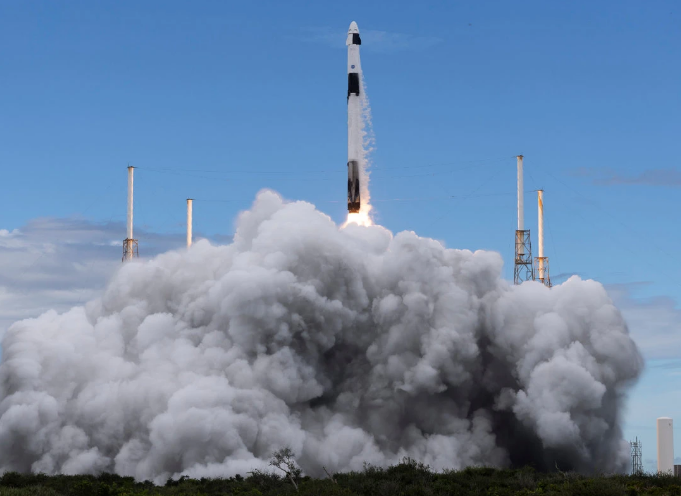
SpaceX crew reaches International Space Station in record US transit

Guirassy scores as Guinea edge Kenya in AFCON 2027 qualifier

Trump, Vance begin midterm campaign push as Republicans confront economic concerns

Meta Acquires Tilda Swinton VR Doc ‘Impulse: Playing With Reality’

China’s Historic Olympic Victory Sparks National Pride Amid Controversy

Saudi Arabia’s Model for Sustainable Aviation Practices

Recent Developments in Small Business Taxes

Effective Drain Cleaning: A Key to a Healthy Plumbing System

Who was Ebrahim Raisi and his status in Iranian Politics?

Keely Hodgkinson Wins Britain’s First Athletics Gold at Paris Olympics in 800m

Carrectly: Revolutionizing Car Care in Chicago

Nobel Laureate Muhammad Yunus Proposed as Head of Bangladesh’s Interim Government Following Hasina’s Resignation

Chinese Hackers Infiltrate Major U.S. Telecom Firms in Possible National Security Breach

Sony WF-10XM4: Headphones Are Our Absolute Favorite

10 Places You Can’t Miss If It’s Your First Time in European

New Census Data Will Shake Up Alabama Politics

16 Top of Our Favorite Outdoor Clothing Brands

Fashionable Summer Accessories to Dress Up Your Travel Look

How Sleeping Less than 7 Hours a Night Can Lead to Weight Gain
-
 Entertainment2 years ago
Meta Acquires Tilda Swinton VR Doc ‘Impulse: Playing With Reality’
-
 Sports2 years ago
China’s Historic Olympic Victory Sparks National Pride Amid Controversy
-
 Business2 years ago
Saudi Arabia’s Model for Sustainable Aviation Practices
-
 Business2 years ago
Recent Developments in Small Business Taxes
-
 Home Improvement2 years ago
Effective Drain Cleaning: A Key to a Healthy Plumbing System
-
 Politics2 years ago
Who was Ebrahim Raisi and his status in Iranian Politics?
-
 Sports2 years ago
Keely Hodgkinson Wins Britain’s First Athletics Gold at Paris Olympics in 800m
-
 Business2 years ago
Carrectly: Revolutionizing Car Care in Chicago