
Health
Second Round of Polio Vaccination Begins in Gaza Amid Conflict

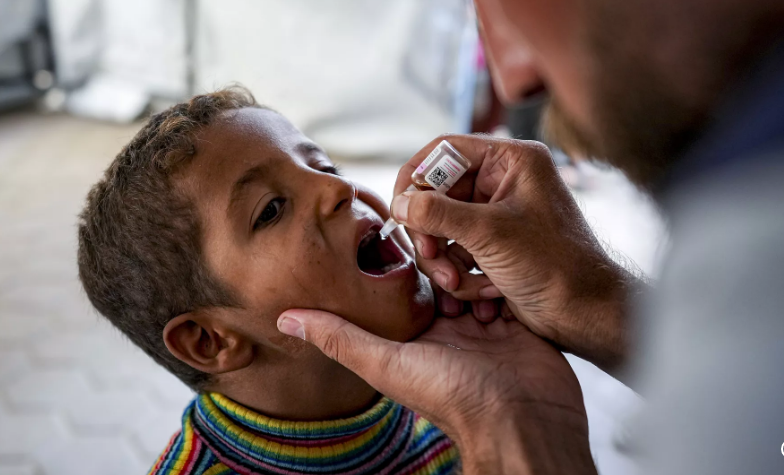
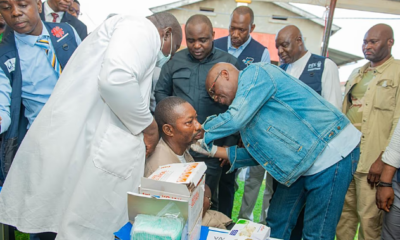
A second round of polio vaccinations commenced in Gaza on Monday, aiming to inoculate over half a million children as part of emergency efforts to control an outbreak first detected in July. The highly contagious virus was found in sewage samples and led to the paralysis of a 10-month-old child, marking the first polio case in the region in 25 years.
The initial phase of the vaccination campaign occurred in early September, with approximately 95% of eligible children receiving the first dose of the oral polio vaccine. The current round will provide the crucial second dose, necessary to halt the transmission of the virus. According to the World Health Organization (WHO), at least two doses are required to stop the spread, and a minimum of 90% vaccination coverage is essential to protect the population.
In addition to the polio vaccine, children between the ages of two and nine will receive Vitamin A to enhance overall immunity, the WHO reported.
Dr. Hamid Jafari, Director of Polio Eradication for WHO’s Eastern Mediterranean region, explained that polio outbreak responses typically involve multiple rounds of immunization to interrupt transmission at the community level. The Global Polio Eradication Initiative (GPEI) helps determine the number and scope of campaigns needed based on risk assessments, with this particular campaign targeting children under 10 in Gaza.
Vaccination Amid War and Shortages
The ongoing vaccination effort takes place under the shadow of the Israel-Hamas war, which erupted on October 7, 2023, when Hamas launched an attack in southern Israel. Israel’s subsequent military response, including airstrikes and a ground operation, has led to widespread devastation in Gaza, with more than 42,000 Palestinians killed, according to the territory’s health ministry.
The war has severely strained Gaza’s healthcare system, which WHO described as “virtually depleted.” The first round of vaccinations faced major logistical hurdles due to damaged infrastructure, a lack of supplies, and significant population displacement.
Despite these challenges, the first phase was considered a success, with mobile teams, outreach posts, and health facilities ensuring broad coverage. For the second round, similar strategies are being employed, with additional efforts to raise public awareness, including radio broadcasts and digital messaging.
In recent months, 1.6 million doses of the polio vaccine have been delivered to Gaza, along with essential equipment like refrigerators, freezers, and vaccine carriers.
Catherine Russell, Executive Director of UNICEF, emphasized the importance of “humanitarian pauses” in the conflict to ensure the vaccination campaign can continue without interruption, stressing that “without them, it is impossible to vaccinate the children.”
Global Polio Eradication Efforts
Polio is primarily transmitted through contact with the feces of an infected individual, often through contaminated water or food. While many people experience mild or no symptoms, the virus can cause paralysis and, in severe cases, death.
The ongoing global fight against polio has successfully reduced cases of wild poliovirus to just two countries, Afghanistan and Pakistan. However, outbreaks of vaccine-derived strains still occur in areas with low immunization rates. These strains, linked to the live virus in the oral vaccine, can be controlled with two to three rounds of immunization.
The novel version of the oral polio vaccine used in Gaza includes improvements designed to reduce the likelihood of the virus mutating and causing disease in under-vaccinated communities. Dr. Jafari stressed the importance of continued global cooperation, noting that “until we stop transmission of all polioviruses, children everywhere remain at risk.”






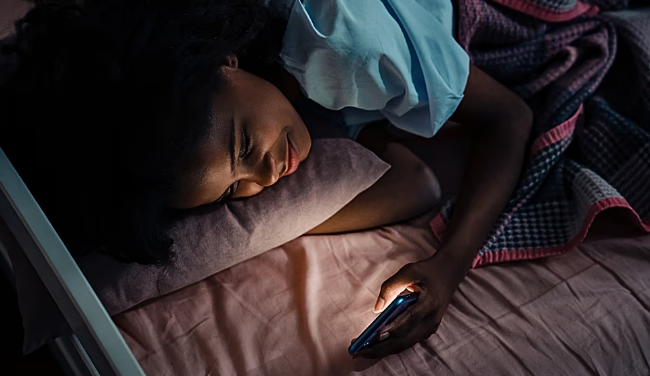
Teenagers who regularly change their sleeping patterns between weekdays and weekends may face a greater risk of anxiety, according to a new study from researchers at the University of Southampton in the United Kingdom.
The findings come as students return to school after the summer break, when many adolescents may have become accustomed to later nights and longer mornings. The shift back to early school schedules can create a mismatch between weekday and weekend sleep patterns, a phenomenon researchers describe as “social jet lag.”
A review of 12 studies involving more than 230,000 participants found that teenagers experiencing greater levels of social jet lag were more likely to report higher levels of anxiety. The relationship also appeared to work in the opposite direction, with higher anxiety associated with greater disruption to sleep schedules.
However, researchers stressed that the findings show an association rather than proving that irregular sleep directly causes anxiety.
The study highlights the importance of encouraging healthy and consistent sleeping habits as part of efforts to support adolescent mental health. Anxiety is already one of the most common mental health problems among young people.
The World Health Organization estimates that anxiety disorders affect about 4.4% of children aged 10 to 14 and 5.5% of those aged 15 to 19 worldwide. Such disorders involve persistent fear or nervousness that can be difficult to control.
Researchers say adolescence is a particularly important period for sleep because biological changes naturally alter young people’s body clocks.
Sarah Chellappa, a co-author of the study from the University of Southampton, said teenagers generally experience a shift toward later sleep during puberty.
“During puberty, the body’s internal clock usually shifts back by a few hours,” she said, meaning teenagers naturally become sleepy later and may need to wake later as well.
Early school starts can conflict with this biological change. Social activities, online communication and other demands can also reduce the amount of sleep teenagers get during the week.
Hannah Ravenhall, lead author of the study, said the issue should not be viewed solely as a matter of individual responsibility.
She said broader social systems can influence young people’s sleep and called for greater recognition of the biological changes that occur during adolescence.
The researchers suggested that schools could consider whether their start times adequately reflect teenagers’ changing sleep needs. Parents could also review evening routines, including rules around screen use.
Rather than simply encouraging teenagers to go to bed earlier, the researchers argue that more consistent schedules and changes to the environments in which young people live and study could help support better sleep and mental wellbeing.

IFA 2026 Showcases AI-Powered Homes Designed to Make Daily Life Easier

North African Dust Set to Worsen Air Quality Across Portugal

New Zealand Approves MDMA Treatment for Severe PTSD Under Strict Medical Controls

White House Launches Arcade Games Promoting Trump Policies, Drawing Criticism

US Imposes Tariffs of Up to 100% on Drones as Washington Targets Chinese Supply Chains

Gen Z Workplace Readiness Gap Grows as Managers Question Young Workers’ Skills

TDK to Debut Smart Javelin With Real-Time Performance Tracking in Budapest

Irregular Sleep Patterns Linked to Higher Anxiety Risk Among Teenagers

John Ternus Takes Over as Apple CEO After 15-Year Tim Cook Era

Taiwan’s AI Stock Boom Fuels Borrowing Frenzy as Investors Chase Big Gains

Meta Acquires Tilda Swinton VR Doc ‘Impulse: Playing With Reality’

China’s Historic Olympic Victory Sparks National Pride Amid Controversy

Saudi Arabia’s Model for Sustainable Aviation Practices

Recent Developments in Small Business Taxes

Effective Drain Cleaning: A Key to a Healthy Plumbing System

Who was Ebrahim Raisi and his status in Iranian Politics?

Keely Hodgkinson Wins Britain’s First Athletics Gold at Paris Olympics in 800m

Carrectly: Revolutionizing Car Care in Chicago

Nobel Laureate Muhammad Yunus Proposed as Head of Bangladesh’s Interim Government Following Hasina’s Resignation

Chinese Hackers Infiltrate Major U.S. Telecom Firms in Possible National Security Breach

Sony WF-10XM4: Headphones Are Our Absolute Favorite

10 Places You Can’t Miss If It’s Your First Time in European

New Census Data Will Shake Up Alabama Politics

16 Top of Our Favorite Outdoor Clothing Brands

Fashionable Summer Accessories to Dress Up Your Travel Look

How Sleeping Less than 7 Hours a Night Can Lead to Weight Gain
-
 Entertainment2 years ago
Meta Acquires Tilda Swinton VR Doc ‘Impulse: Playing With Reality’
-
 Sports2 years ago
China’s Historic Olympic Victory Sparks National Pride Amid Controversy
-
 Business2 years ago
Saudi Arabia’s Model for Sustainable Aviation Practices
-
 Business2 years ago
Recent Developments in Small Business Taxes
-
 Home Improvement2 years ago
Effective Drain Cleaning: A Key to a Healthy Plumbing System
-
 Politics2 years ago
Who was Ebrahim Raisi and his status in Iranian Politics?
-
 Sports2 years ago
Keely Hodgkinson Wins Britain’s First Athletics Gold at Paris Olympics in 800m
-
 Business2 years ago
Carrectly: Revolutionizing Car Care in Chicago